










Choosing a Backhoe Loader: Compact, Small, TLB and What to Look For
2026-06-12
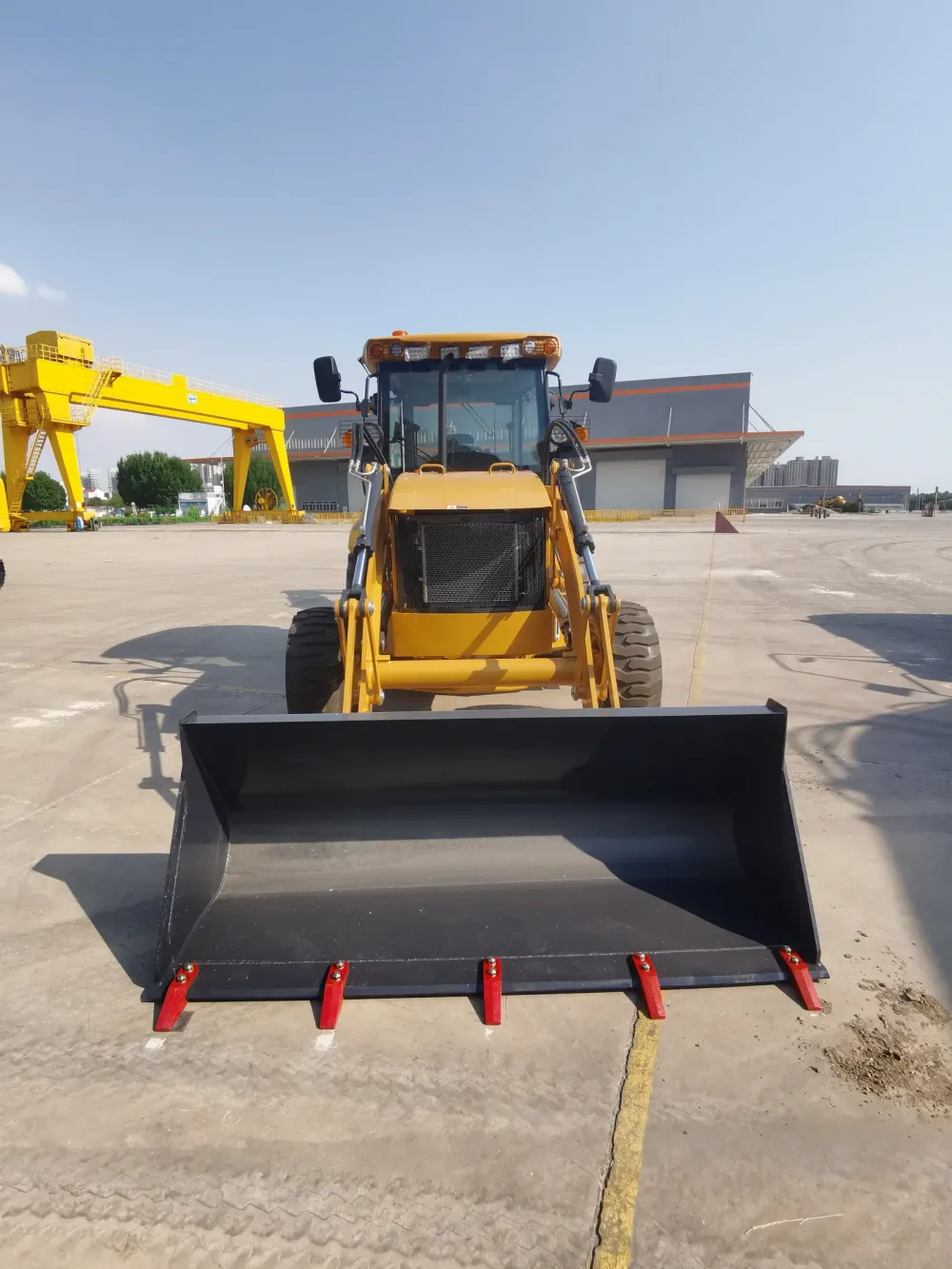
A practical guide to choosing a backhoe loader — from the best compact tractor loader backhoe to the best small backhoe, TLB pricing, breaker and bucket attachments, sized by dig depth, loader capacity and transport.
A backhoe loader earns its keep by being two machines on one chassis: a loader on the front to push, scoop and carry, and a digging arm on the back to trench and excavate. For a small contractor or a farm that can't justify a separate digger and a separate loader, that two-in-one is the whole appeal. The trick is choosing the right size and configuration, because a backhoe that's too big won't move easily and one that's too small won't finish the job.
Here's how to size and spec one without getting lost in the badge wars.
Compact, small, or sub-compact: pick your class first
The category spans a wide range, and the names get used loosely, so anchor on what the work needs:
- Sub-compact and the best compact tractor with backhoe — a compact tractor fitted with a loader and a backhoe attachment. Light, easy to transport on a small trailer, ideal for property work, light landscaping, and small trenches. The backhoe is bolted on rather than integral, which keeps cost and weight down.
- The best small backhoe — a purpose-built compact backhoe loader, heavier and more rigid than a tractor conversion, with a dedicated digging arm. Better breakout, deeper dig, and built to dig all day rather than occasionally.
- Full-size backhoe loader — for sustained heavy digging and bigger loads, where transport and operator skill step up accordingly.
Size to the heaviest job you do regularly, not the one-off. A bigger machine costs you on fuel, transport and access every single day to cover work you only do twice a year.
Dig depth and reach on the backhoe end
The badge tells you almost nothing about how deep the back end digs. Maximum dig depth and reach come from the boom and dipper geometry and vary between models in the same class. Write down the deepest trench and the furthest reach your work actually needs — utility lines, footings, drainage — then check those figures on the spec sheet for every machine on your shortlist. Our backhoe loader range lists dig depth, reach and bucket options per model so you can line them up directly instead of guessing from the class name.
Two extras operators forget: the stabilizer spread (it sets how stable the machine is at full reach) and whether the boom can offset to dig alongside a wall or fence.
Don't ignore the loader end
It's easy to obsess over the digging arm and forget that half the machine is a front loader. For a lot of owners the loader does more hours than the backhoe — loading trucks, moving spoil, backfilling, carrying pallets and materials around the yard. That front-end carrying ability is exactly why owners reach for a two-in-one machine instead of a stand-alone mini excavator when the work mixes digging with loading. Check the loader's lift capacity, the bucket breakout force, and the dump height against what you load. A backhoe loader that digs beautifully but can't clear the side of your truck at full lift will frustrate you every day.
Attachments and the coupler: breaker, buckets, and more
Like any compact machine, the backhoe loader is a platform — its range comes from what fits on each end. A quick coupler on the backhoe arm lets you swap between backhoe loader buckets of different widths, a backhoe loader breaker for breaking rock and concrete, an auger, or a hydraulic thumb without spanners. A backhoe loader with breaker capability is often the deciding factor for sites that mix soil and rock — running a backhoe loader with rock breaker on the rear arm turns the machine into a demolition and excavation tool in one. On the front, beyond the standard loader bucket, pallet forks turn the machine into a yard tool.
When you compare prices, compare configured machines: a low base price with a single bucket and no coupler isn't the bargain it looks like. Ask what's included — specifically whether a second bucket width and a coupler are bundled — before you compare anything. The right backhoe loader buckets setup from day one saves more time than the money you'd spend adding them later.
Two-wheel vs four-wheel drive and your ground
On firm, level yards a two-wheel-drive machine is cheaper and perfectly capable. The moment you work on soft ground, slopes, or muddy sites, four-wheel drive stops being a luxury and starts being the difference between working and getting stuck. Be honest about the worst ground you regularly work on — not the best — because that's what decides whether the cheaper driveline will leave you bogged down at the wrong moment. A 4x4 compact tractor loader backhoe costs more than a 2WD version, but on wet or sloped ground the delta pays back quickly.
TLB: the three-letter shorthand buyers use
In South Africa and parts of the export market, buyers search for a compact TLB — tractor loader backhoe — as often as they search for a backhoe loader. A TLB tractor is the same machine under a different name: front loader bucket, rear digging arm, all on one chassis. Whether you're looking for a compact TLB for sale, a TLB tractor for sale, or a TLB backhoe for sale, the buying logic is identical — size to dig depth, check the loader capacity, confirm the coupler and attachment options.
The best compact tractor loader backhoe and the best tractor loader backhoe are searched by buyers who want the definitive ranking, but the honest answer is the same: the best TLB is the one that hits your dig depth and loader capacity requirements with the lowest transport weight and the shortest parts lead time. A sub compact loader backhoe or sub compact tractor loader backhoe suits property owners and light tradespeople who don't need deep dig; a purpose-built small unit suits contractors who dig all day.
Naming variants: mini, residential, and tractor-mounted
The same machine class goes by many names depending on who's selling it and who's buying it. A mini tractor loader backhoe, a mini tractor backhoe loader, a mini front end loader backhoe, a front loader backhoe tractor — these all describe the compact TLB form factor. A residential tractor loader backhoe is typically the lightest version aimed at property owners, while a small tractor front end loader backhoe and small front end loader backhoe are contractor-oriented variants. If you search for a backhoe loader for tractor or a backhoe loader attachment for tractor, you're looking at the tractor-mounted category — a tractor mounted backhoe loader that bolts to an existing utility tractor rather than a purpose-built chassis.
The distinction matters for resale and repairability: a bolt-on attachment gives you a tractor back when you need one; a purpose-built machine is more rigid but single-purpose. Which suits you depends on what else the tractor does when it's not digging.
Price: what a backhoe loader costs
Buyers searching cost of backhoe loader, loader backhoe price, or mini backhoe loader price will find a wide range that reflects the wide range of configurations. A sub-compact or residential version at the light end costs significantly less than a full-size unit, and within any class, configuration adds cost. A tractor backhoe loader price or tractor loader backhoe price includes the tractor as the base — compare carefully with a purpose-built chassis price.
For buyers asking about the cheapest backhoe loader — which often appears as compact backhoe loader for sale or compact tractor loader backhoe for sale listings — the lowest price usually means a single-bucket configuration with no coupler, no breaker plate, and limited hydraulic auxiliary capability. The cheapest backhoe loader in the listing is rarely the cheapest to own once you add what you actually need. The best compact backhoe loader in terms of value is the one that arrives configured for your work, not the lowest headline price. Ask every supplier to quote a configured machine on fixed delivery terms — that number matters, not the base.
Service, parts and where the machine was built
Whatever class you choose, cost of ownership is decided long after the sale by three things: can you get parts quickly, can a technician reach the service points, and are the engine and hydraulics standard units anyone can work on? This is where buyers comparing a machine built in China against a legacy badge should look hardest — the gap in raw components has narrowed, and what's left is parts logistics and support. Build on standard engine and hydraulic platforms and the machine stays serviceable wherever it lands.
A quick sizing checklist
Before you ask for a quote, have these ready:
- Deepest trench and furthest reach you need on the backhoe end
- What and how high you load on the front (truck side height)
- Heaviest job you do regularly — not the annual outlier
- Worst ground you work on (decides 2WD vs 4WD)
- Attachments you'll run now and in a year, plus whether a coupler is included
- Transport — what trailer and tow vehicle you have
Bring those answers and any supplier can spec the right machine in one conversation. Bring none and you'll be sold whatever's in the yard.
Browse our backhoe loader range · — we reply within one business day.
Frequently asked questions
What size backhoe loader do I need?
Size to the heaviest job you do regularly. A compact tractor with a backhoe attachment suits property work and light trenching; a purpose-built small backhoe digs deeper and harder all day; a full-size machine is for sustained heavy work. Buying bigger than you need just adds daily fuel, transport and access cost to cover jobs you rarely do.
What's the difference between a compact tractor with a backhoe and a small backhoe loader?
A compact tractor with a backhoe is a tractor fitted with a bolt-on loader and digging arm — lighter, cheaper, and easy to trailer, best for occasional digging. A purpose-built small backhoe loader is heavier and more rigid with a dedicated arm, giving better breakout and deeper dig for machines that dig all day rather than now and then.
How deep can a compact backhoe loader dig?
Dig depth comes from boom and dipper geometry, not from the class name, so two machines in the same category can differ. Always read maximum dig depth and reach off the spec sheet for the specific model and check them against the deepest trench your work needs.
Do I need four-wheel drive on a backhoe loader?
On firm, level ground a two-wheel-drive machine is cheaper and capable. If you regularly work on soft ground, slopes or mud, four-wheel drive is worth it — base the decision on the worst ground you work on, not the best.
What is a TLB and is it the same as a backhoe loader?
Yes — TLB (tractor loader backhoe) is the same machine by another name, more common in South African and some export markets. A compact TLB, TLB tractor, or TLB backhoe is a front-loader-plus-rear-digger on one chassis. The buying criteria are identical: dig depth, loader capacity, coupler, and parts availability.
Can a backhoe loader run a breaker or rock breaker?
Yes, provided the rear arm has auxiliary hydraulic circuits and the machine's hydraulic system meets the breaker's flow and pressure requirements. A backhoe loader with breaker or rock breaker capability is often specified from the factory; confirm auxiliary hydraulics are included before you buy if breaking rock or concrete is part of your work.
What is the cheapest backhoe loader and is it worth buying?
The cheapest backhoe loader listing is usually a bare chassis with a single bucket, no coupler, and no auxiliary hydraulics. That low price grows quickly once you add what you actually need. The best value backhoe loader is the one that arrives configured for your work on fixed delivery terms — compare configured machines, not bare prices.
Related articles
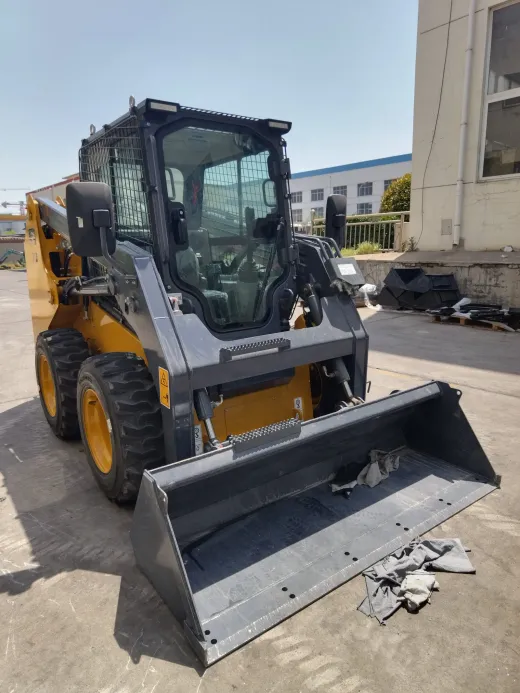
Skid Steer Weight: Operating Weight by Class, Mini to Large Frame
How much does a skid steer weigh? It depends on frame class, undercarriage, and whether you mean operating weight, shipping weight, or rated capacity. This guide breaks down skid steer weight from stand-on minis to large-frame machines, explains tracked vs wheeled weight differences, and covers what the number means for trailer selection and towing rules.
Read more →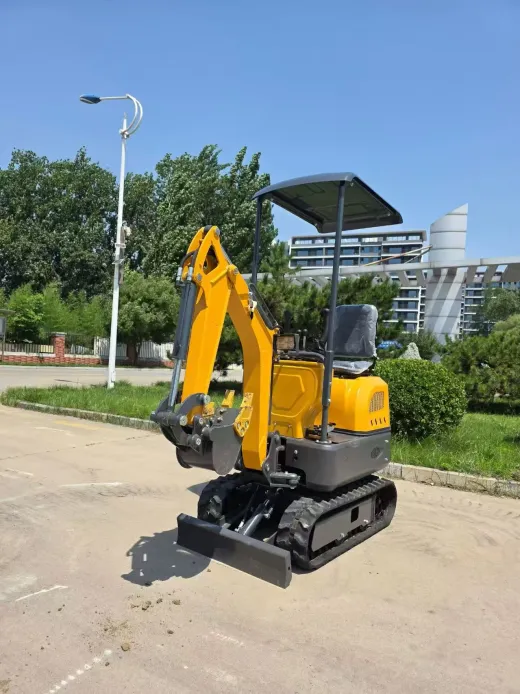
Amphibious Mini Excavators: Working on Water, Marshes & Wetlands
A clear-headed guide to amphibious and floating mini excavators — how pontoon undercarriages work, where they outperform standard machines, their real limitations, and when wide rubber tracks are the smarter choice for wet and soft-ground work.
Read more → Articulating Loaders Explained: Compact & Mini Articulated Loaders
An articulating loader offers superior maneuverability in tight spaces where conventional machines struggle. This guide covers everything buyers need to know about small, compact, and mini articulated loaders — from how they work to what to look for when shopping.
Read more →