










How to Choose a Mini Excavator: Size, Specs, and What Actually Matters
2026-06-12
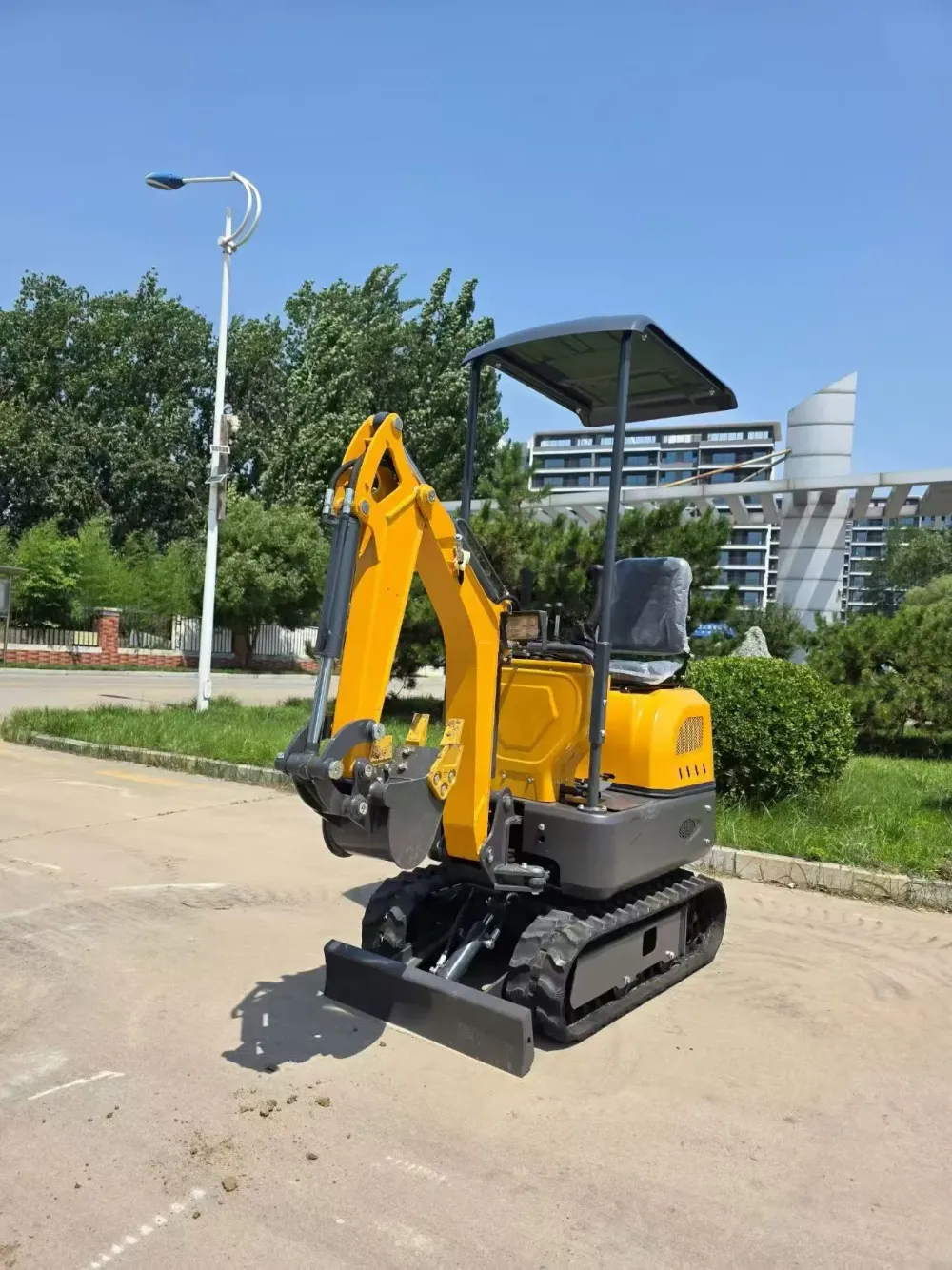
A practical guide to picking the best compact excavator — weight class, dig depth, access width, buckets and tracks — written for buyers who want the machine to fit the job, not the brochure.
Picking a mini excavator looks simple until you stand in front of a dozen of them and they all dig dirt. The differences that matter aren't the ones on the front page of the brochure. They're weight class, how the machine gets onto the site, how deep it actually reaches, and what you can bolt onto the end of the arm. Get those four right and a compact excavator will earn its keep for years. Get them wrong and you've bought a machine that's either too big to move or too small to finish the job.
Here's how we walk buyers through it.
Start with weight class, not horsepower
Operating weight is the first number to lock down, because it drives almost everything else — dig force, lift capacity, transport, ground pressure. The mini excavator size classes most buyers shop are:
- 1 ton mini excavator and under (micro class): squeezes through a standard gate, works inside buildings, runs off a small trailer. Light dig force.
- 2 to 3.5 ton: the volume seller. Enough reach and breakout for utility trenching, landscaping, and footing work, still trailerable behind a pickup.
- 5 to 8 ton: heavier digging, deeper trenches, bigger buckets. You're into a dedicated trailer and a more serious operator.
A bigger machine is not automatically better. Every extra ton costs you fuel, transport, and access. Size to the heaviest job you do regularly, not the one you do once a year — rent for the outlier.
Match the machine to how it gets on site
The fastest way to waste money is to buy a digger that can't reach the work. Two width numbers decide this: transport width and dig-and-dump width with the tracks retracted.
Most machines in the 1 to 2 ton range have variable-width undercarriages — the tracks pull in to clear a gate, then spread for stability while digging. If you work behind houses, on boardwalks, or inside compounds, that retracting track is worth more than an extra half-ton of dig force. Measure your tightest access point before you shop, not after.
Dig depth and reach: read the spec sheet, not the badge
A '3 ton' badge tells you nothing about how deep the machine digs. Maximum dig depth and reach come from the boom and arm geometry, and they vary between models in the same weight class. Write down the deepest trench and the furthest reach your work needs, then check those two figures on the spec sheet for every machine on your shortlist. Our mini excavator range lists dig depth, reach and bucket force per model so you can line them up directly.
One more thing operators forget: dump height. If you load trucks or skips, confirm the machine can clear the side at full reach.
Buckets and attachments decide the real value
The machine is the platform. The work gets done by what's on the coupler. A mini excavator with the right mini excavator buckets and a quick coupler is a different tool from a bare one:
- A digging bucket and a wider grading bucket cover most earthwork.
- A hydraulic thumb turns the machine into a grab for rock, root balls, and demolition.
- An auger, breaker, or compaction plate each open up a whole job type.
When you compare prices, compare configured machines — a cheap base price with no thumb, no second bucket, and no coupler isn't the bargain it looks like. Ask what's included before you compare anything.
Rubber tracks vs steel: pick for your ground
Most mini excavators ship on rubber tracks, and for good reason — they don't tear up finished surfaces, they ride smoother, and they're quieter. On abrasive rock or rebar-strewn demolition, steel tracks or bolt-on steel pads last longer. Rubber is the right default for landscaping, utility, and rental work. Whatever you choose, tracks are a wear item — budget to replace them, and check what a set costs before you buy a brand you can't get parts for.
What "best value" actually means
Buyers searching for the best value mini excavator or the best mini excavator brand usually find a wall of opinions. Strip it back to three questions that actually predict cost of ownership:
- Engine and hydraulics — are they known units you can get serviced anywhere, or something obscure?
- Parts and support — can you get a track, a filter, or a hydraulic ram without a six-week wait?
- Build access — can a technician actually reach the service points, or is everything buried?
This is where buyers comparing a Chinese mini excavator against a legacy badge should look hardest. The gap in raw components has closed; the gap that's left is parts logistics and support. We build to standard engine and hydraulic platforms specifically so the machine is serviceable wherever it lands. If you're weighing a heavier digging tool against a backhoe setup, our note on the backhoe loader covers where each one wins.
Rankings, "best" lists, and what they actually show
Searches for the best compact excavator, the top rated mini excavator, the best mini excavator on the market, or the top 10 mini excavators all lead to one problem: those lists rank on brand familiarity, not on spec. The best all around mini excavator for a landscaping contractor in tight residential yards is a different machine from the best rated mini excavator for a utility contractor digging deep trenches on open ground.
Year-dated searches — best mini excavator 2021, best mini excavators 2022 — show buyers looking for the definitive answer that holds up over time. The honest answer is that it doesn't change much year to year. The machine that wins your spec sheet is based on the same four criteria: dig depth against your deepest trench, access width against your tightest site, attachment compatibility, and parts support. Among the top mini excavators in any given year, the one that's actually best is the one that fits your scoring sheet, not a reviewer's.
The most powerful mini excavator and the strongest mini excavator are often sought by buyers who equate power with value. But breakout force at the bucket — not engine horsepower — is the relevant measure of digging strength, and it varies by boom and arm geometry within the same weight class. The most reliable mini excavator title belongs to whichever machine has the best parts availability in your region and the most accessible service points.
Size-specific: micro, midi, 6-ton, and small excavator classes
Buyers with specific weight requirements often search for the best micro digger or best micro excavator — these are machines under about 1 ton, the smallest class, primarily for access-constrained indoor work, narrow residential sites, and garden projects. The best mini digger in this sense is simply the one that gets through your gate and still generates enough breakout force to cut through your soil type.
At the other end, buyers searching best 6 ton excavator are stepping into what's sometimes called the midi category — larger than a mini but not a full-size machine. The best midi excavator and best mid size excavator sit in the 5–9 ton range: significantly more dig depth and breakout than the 3.5 ton class, but still transportable on a standard lowbed. The best 12000 lb excavator and best 12000 lb mini excavator searches land in this same zone — around 5.4 metric tons. For heavy infrastructure work, buyers look at the best 13 ton excavator class, which is really a full-size machine rather than a mini.
The best size mini excavator for most contractors remains the 2 to 3.5 ton all-rounder: enough machine for the full range of landscaping, trenching, and light excavation without the transport and access penalty of the larger classes. The best small excavator and best small mini excavator searches usually describe this same range — compact, trailerable, and capable of daily utility work.
A quick sizing checklist
Before you ask for a quote, have these ready:
- Tightest access width on your typical site
- Deepest trench and furthest reach you need
- Whether you load trucks (dump height)
- Ground type — finished surfaces, rock, or open dirt
- Attachments you'll run now and in a year
Bring those five answers and any supplier can spec the right machine in one conversation. Bring none of them and you'll get sold whatever's in stock.
Browse our mini excavator range · — we reply within one business day.
Frequently asked questions
What size mini excavator do I need?
Size to the heaviest job you do regularly. A 1-ton machine fits gates and indoor work but has light dig force; 2 to 3.5 ton is the all-rounder for trenching and landscaping; 5 to 8 ton is for deeper, heavier digging. Buying bigger than you need just adds fuel, transport and access cost — rent for the occasional larger job.
How deep can a mini excavator dig?
Dig depth depends on boom and arm geometry, not on weight class alone, so two machines badged the same can differ. Always read maximum dig depth and reach off the spec sheet for the specific model and check them against the deepest trench your work needs.
Are Chinese mini excavators reliable?
Build quality has converged with legacy brands on the major components. The factor that still varies is parts availability and service support, so the real question is whether you can get a track, filter or hydraulic part quickly. Machines built on standard engine and hydraulic platforms are the safest bet because they're serviceable anywhere.
What's the difference between a mini excavator and a mini digger?
None — "mini digger" is the British term for the same machine. You'll see both used interchangeably in listings and specs.
What is the best compact excavator on the market?
There is no single best compact excavator — the right machine depends on your dig depth requirement, access width, attachment needs, and parts support in your region. Rather than following a top-10 list, score each machine on those four criteria against your actual work. The machine that wins your scoring sheet is the best one for you.
What is the difference between a mini, micro, and midi excavator?
Micro excavators are the smallest class, typically under 1 ton, for access-constrained and indoor work. Mini excavators cover the 1 to 5 ton range, with the 2 to 3.5 ton segment being the all-rounder most buyers choose. Midi excavators sit in the 5 to 9 ton range — more dig depth and breakout than a mini, but still transportable on a standard lowbed.
Is a more powerful mini excavator always better?
Not necessarily. Breakout force at the bucket — which comes from the hydraulic system and arm geometry — is more relevant than engine horsepower for digging performance. The most powerful machine is only better if you need the extra breakout and are willing to pay for the extra weight, transport cost, and fuel consumption that comes with it.
Related articles
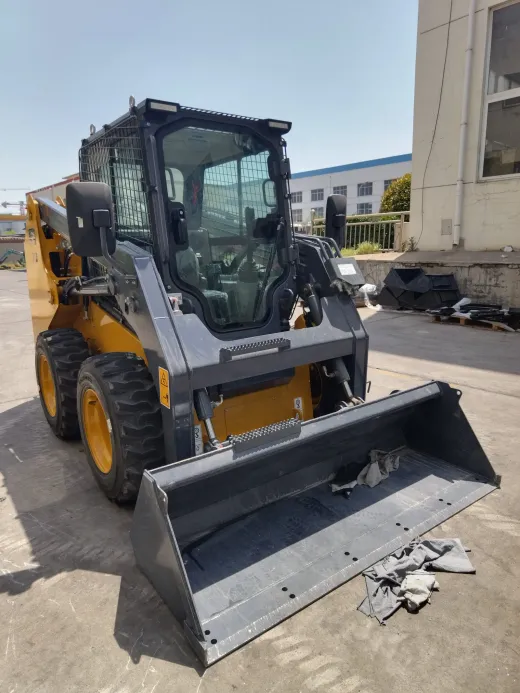
Skid Steer Weight: Operating Weight by Class, Mini to Large Frame
How much does a skid steer weigh? It depends on frame class, undercarriage, and whether you mean operating weight, shipping weight, or rated capacity. This guide breaks down skid steer weight from stand-on minis to large-frame machines, explains tracked vs wheeled weight differences, and covers what the number means for trailer selection and towing rules.
Read more →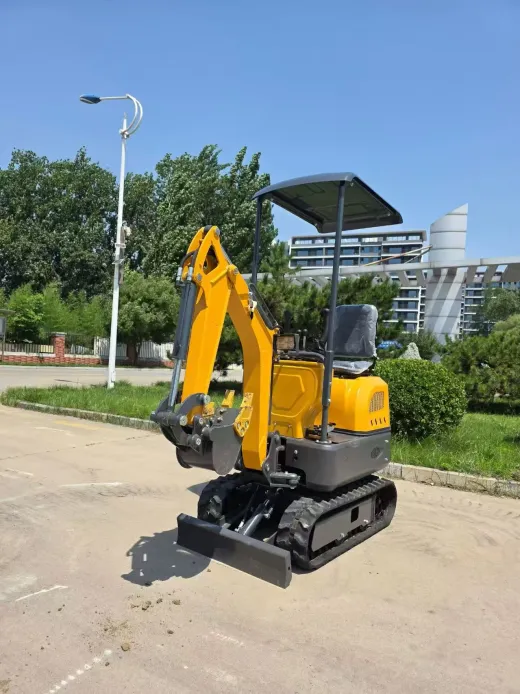
Amphibious Mini Excavators: Working on Water, Marshes & Wetlands
A clear-headed guide to amphibious and floating mini excavators — how pontoon undercarriages work, where they outperform standard machines, their real limitations, and when wide rubber tracks are the smarter choice for wet and soft-ground work.
Read more → Articulating Loaders Explained: Compact & Mini Articulated Loaders
An articulating loader offers superior maneuverability in tight spaces where conventional machines struggle. This guide covers everything buyers need to know about small, compact, and mini articulated loaders — from how they work to what to look for when shopping.
Read more →