










Pallet Jack and Pallet Truck Cost: What You Pay For and Why
2026-06-12
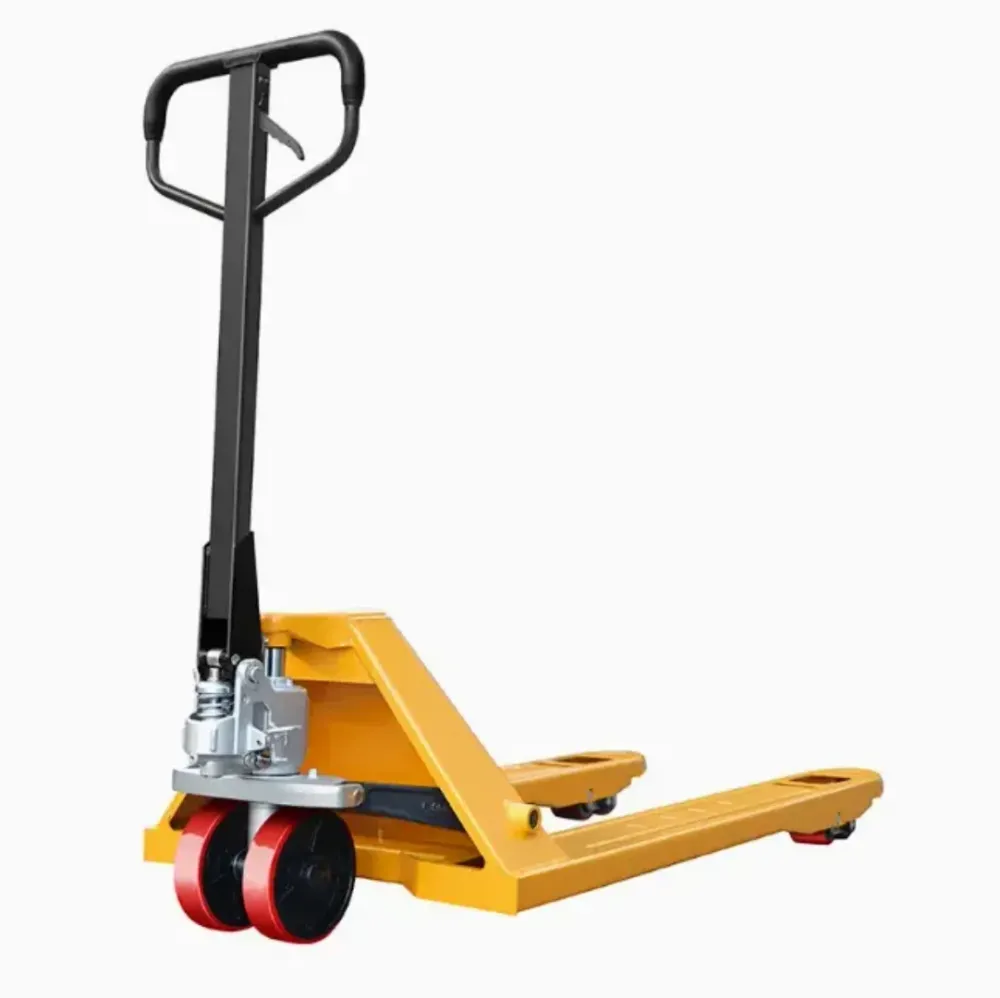
What drives pallet truck cost — manual versus electric, capacity, fork size, battery and running costs — and how to budget before you request a quote. No sticker prices, just the real factors.
A pallet truck is the cheapest powered material-handling tool in most warehouses, which is exactly why buyers underestimate the spread in price. A basic manual unit and a rider electric truck are both called pallet jacks, but they're separated by a wide gap in cost — and so is everything in between. Pallet jack cost comes down to whether it's manual or powered, its capacity and fork dimensions, the battery, and what it costs to keep running. Here's what actually moves the number, with no sticker prices, because the right figure depends entirely on which truck you need.
Manual versus electric is the first fork in the road
The biggest split in hand pallet truck cost is whether the truck is hand-pumped or powered. A manual pallet jack is a simple hydraulic frame — low cost to buy, nothing to charge, very little to maintain. It's the right tool for low volumes and short moves.
Move up to an electric pallet truck and the price jumps, because you're now paying for a drive motor, a lift motor, a controller, and a battery. What you get back is the ability to move heavier loads, longer distances, more often, without wearing out your staff. The electric pallet jack cost premium is justified by throughput — if your team moves pallets all shift, the powered truck pays for itself in labor. Our guide to choosing between manual and electric walks through where each one fits.
Capacity and fork dimensions
Rated capacity sets a floor under the price. A standard truck handles common pallet loads; a heavy-duty model built for higher tonnage costs more because of the stronger frame and hydraulics. Don't overbuy capacity you'll never use, but don't undersize either — running a truck at its limit shortens its life.
Fork length and width matter too. Longer or wider forks, or special low-profile forks for specific pallet types, add cost. So does a built-in weighing scale — a pallet jack with scale costs more than a plain truck but saves a separate weighing step if you ship by weight. Spec the forks and capacity to your actual pallets before you compare prices.
The battery is a big part of an electric truck's cost
On a powered pallet truck, the battery is one of the most expensive single components, and the chemistry you choose changes both the purchase price and the running cost. Lead-acid is cheaper to buy but needs watering, ventilated charging, and longer charge times, and it wears out sooner. Lithium costs more up front but charges faster, tolerates opportunity charging, and lasts longer with less maintenance.
Over a few years of heavy use, the cheaper battery can cost more once you add charging time, maintenance, and replacement. If you're weighing battery chemistries on a powered truck, the same total-cost-of-ownership logic applies as on a forklift — our note on lithium versus lead-acid forklift battery cost lays out the math, and it scales down to pallet trucks.
Freight and landed cost
Pallet trucks are compact, but for imported orders the quote still isn't the final bill. Ocean freight, handling, duty, and inland transport stack onto the landed cost, and per-unit freight drops sharply when you order a full container instead of a handful. If you're buying for a fleet, the landed cost per truck on a full container is very different from a small order.
Ask suppliers to quote on the same delivery terms every time so you can compare, and factor in your local duty and final transport. For warehouse buyers stocking multiple units, ordering volume is one of the simplest ways to bring the per-unit cost down. A manual truck nests tighter in a container than a powered one, so the freight saving on a bulk manual order is larger than most buyers expect — worth weighing if you're stocking a mix.
Running cost over the truck's life
A manual pallet jack has almost no running cost — the occasional seal kit or set of wheels. A powered truck has more lines: charging electricity, battery maintenance and eventual replacement, brakes, wheels, and scheduled service. None of these are large individually, but over years they add up, and battery replacement is the big one.
As with any powered equipment, parts availability decides how predictable that cost is. A truck that's idle waiting on a controller or a wheel set isn't moving pallets, and that lost throughput costs more than the part. We build our pallet truck range so common parts are available and service is simple, which keeps the running side of the budget steady.
How to budget and what to ask for a quote
Before you ask for a number, decide these:
- Manual or electric, based on how often and how far you move pallets
- Rated capacity matched to your heaviest regular load
- Fork length and width for your pallet types, and whether you need a scale
- For electric, the battery chemistry that fits your shift pattern
- How many units and your delivery terms, so freight is priced right
Bring those and a supplier can quote the right truck instead of the cheapest one. For a fleet, ordering volume and choosing the battery wisely are the two biggest levers on total cost.
Browse our pallet truck range · — we reply within one business day.
Frequently asked questions
How much does a pallet jack cost?
It depends mostly on whether the truck is manual or electric. A hand-pumped pallet jack is the lowest-cost powered material-handling tool there is, while an electric pallet truck costs considerably more because of its drive motor, lift motor, controller, and battery. Capacity, fork size, a built-in scale, and order volume move the figure further, so spec the truck to your work before comparing.
Is an electric pallet jack worth the extra cost?
If your team moves pallets frequently or over distance, yes — the powered truck saves labor and increases throughput, and that pays back the higher price. For low volumes and short moves, a manual pallet jack does the job at a fraction of the cost. The deciding factor is how hard the truck is worked, not the sticker price.
Why does a pallet truck with a scale cost more?
A built-in weighing scale adds load cells and a display to the truck, which raises the price. It earns that back if you ship or charge by weight, because it removes a separate weighing step. If you don't weigh loads, a plain truck keeps the cost down.
What's the running cost of an electric pallet truck?
Mainly charging electricity, battery maintenance and eventual replacement, plus brakes, wheels, and scheduled service. The battery is the largest line, and chemistry matters — lithium costs more up front but often less over its life than lead-acid once charging time and replacement are counted. Parts availability also affects cost, since idle downtime is expensive.
Related articles
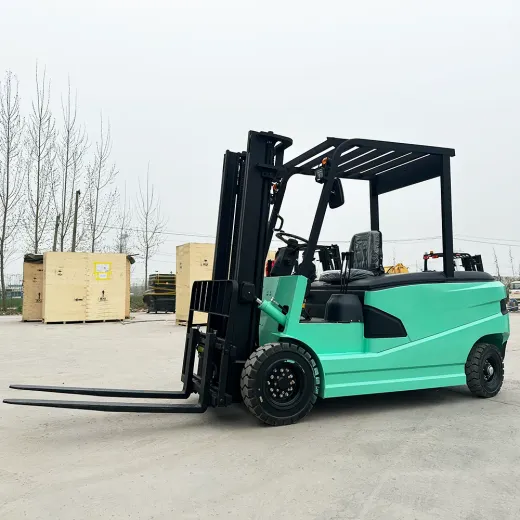
Electric Forklift Cost: Lithium vs Lead-Acid and the TCO Math
What drives electric forklift cost and forklift battery cost — lithium versus lead-acid TCO math, battery voltages (24V, 36V, 48V, 80V), brand options, and everything involved in buying, changing, and replacing a fork truck battery.
Read more →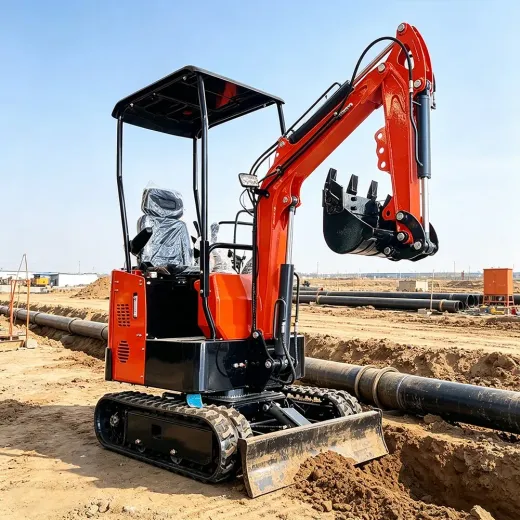
Mini Excavator Cost: What Drives the Price and How to Budget
What really drives mini excavator cost — weight class, attachments, freight and running costs — plus compact excavator prices, cheap mini digger options, Chinese pricing, and finance. No sticker prices, just the real math.
Read more →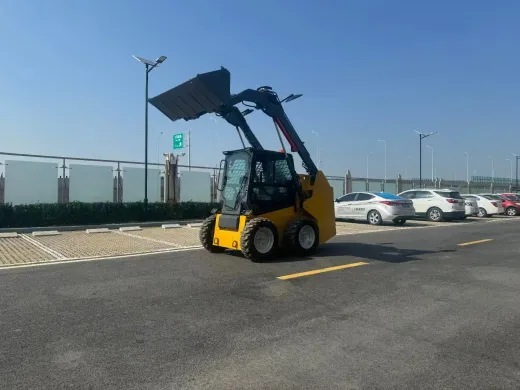
Skid Steer Loader Cost: What Sets the Price and How to Budget
What drives skid steer loader cost — size, rated capacity, attachments, freight and running costs — and how to budget new skid steer prices, mini skid steer price, and compact track loader cost before you ask for a quote.
Read more →