










Skid Steer Loader Cost: What Sets the Price and How to Budget
2026-06-12
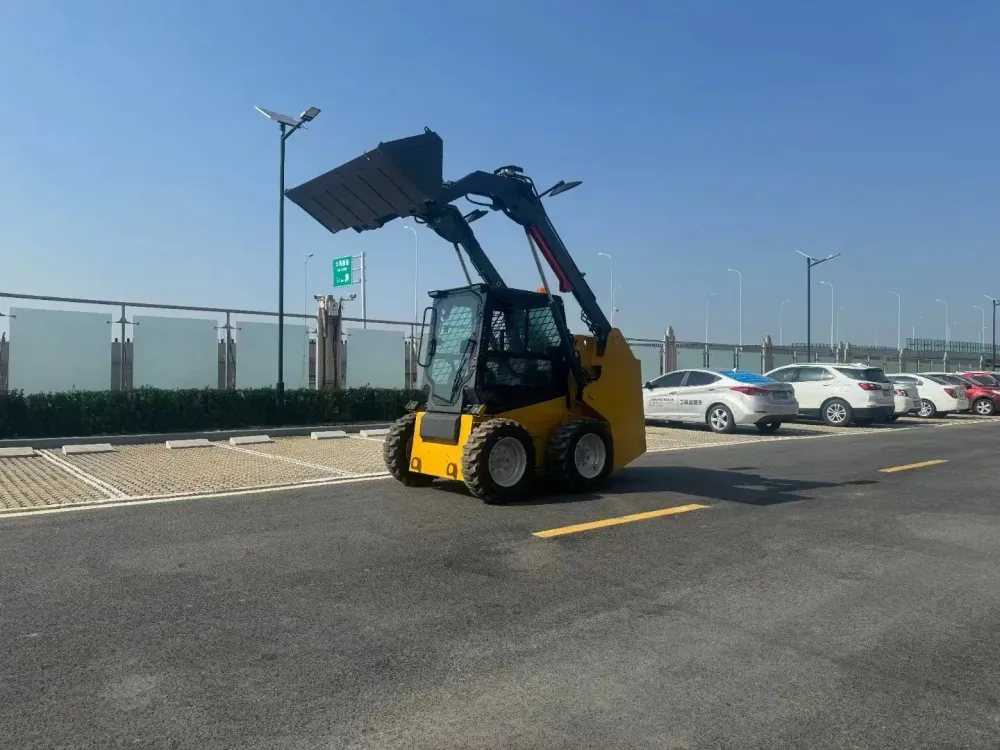
What drives skid steer loader cost — size, rated capacity, attachments, freight and running costs — and how to budget new skid steer prices, mini skid steer price, and compact track loader cost before you ask for a quote.
Skid steer loader cost is one of those numbers that means nothing on its own. The same machine can be quoted bare or fully kitted, ex-works or delivered, and the gap between those two figures is huge. What you pay depends on rated capacity, how the loader is configured, where it ships from, and what it costs to run once it's working. This guide lays out what actually moves the price so you can build a budget that holds up. We don't list prices here — a single number quoted without your spec is a guess, not a quote.
Size and rated capacity set the floor
The biggest driver of skid loader cost is rated operating capacity — how much the machine can safely lift. A small loader for tight yards and light material handling sits well below a larger, high-capacity machine built to move heavy loads all day. Each step up in capacity carries a bigger engine, stronger hydraulics, and a heavier frame, and all of that costs money up front and adds to running cost.
Size to the work you do most, not the heaviest load you'll ever lift. A bigger loader costs more to buy, more to fuel, and more to transport. If you only need the extra muscle occasionally, that's a job for a rental, not a permanent line on your balance sheet. Our skid steer buying guide covers matching capacity to the job.
New skid steer prices: what to expect and why ranges vary
When buyers search for new skid steer prices, new skid loader prices, or ask about the cost of a skid loader or the cost of skid steer generally, they usually find a wide range and wonder what accounts for it. The spread is real and not arbitrary. A brand-new wheeled skid steer from a North American or European brand carries the cost of that brand's dealer network, engineering support, and warranty infrastructure — the skid steer MSRP at a dealer reflects all of that overhead. A brand new skid steer price from a Chinese factory-direct supplier strips out that dealer margin and ships at a lower ex-works figure, but the landed cost after freight and duty narrows the gap depending on your destination.
New skid steer cost also varies by configuration (see below) and by the specific model tier. A skid steer cost new at the entry level of a product line is genuinely different from the same brand's flagship, and buyers sometimes compare entry-level prices from one brand to mid-tier prices from another. The most useful thing to do is define your required rated capacity and spec, then get quotes from at least two suppliers on identical configurations and the same delivery terms — that's the only comparison that's fair. The price of a new skid steer quoted bare against a quote that includes a bucket and coupler is not a comparison at all.
Mini skid steer price and compact machine cost
The mini skid steer price — also searched as the cost of mini skid steer or mini track loader cost — is a different conversation from full-size skid steer pricing, and it's worth treating separately. Mini skid steers are lighter, tighter, and cheaper to run than their full-size counterparts, and their price reflects that. Common models searched by buyers include the CTX160 mini skid steer price, the S925TX mini skid steer price, the SK600 mini skid steer price, the Infront mini skid steer price, the Ramrod skid steer price, and the CL35 skid steer price. These range from walk-behind micro-loaders to small ride-on units, and the price differences between them reflect operating weight, lift capacity, and whether the undercarriage is wheeled or tracked.
For buyers who only need the machine in tight spaces for light work, the mini is genuinely the right size — and the right size always costs less to buy and run than a machine you're underusing. If you're comparing a mini skid steer against a full-size unit for the same job, ask honestly whether the full-size capacity is something you'll actually use, or whether you're paying for margin you don't need.
Configuration changes the number more than you'd think
A base machine price tells you almost nothing until you know what's on it. The same loader can land at very different costs depending on how it's specced:
- Universal attachment plate and a quick coupler
- Auxiliary hydraulics — standard flow or high flow for demanding attachments
- Enclosed cab with heat and AC versus an open ROPS frame
- Tire type, or a tracked undercarriage versus wheels
- The attachments themselves — buckets, forks, augers, and more
High-flow auxiliary hydraulics in particular can be the difference between a loader that runs a mulcher and one that can't. When you compare suppliers, compare the same configuration. A cheap base price with low-flow hydraulics and no coupler isn't comparable to a machine ready to work.
Compact track loader cost: 299D3, 317G, 333G and the CTL price tier
Buyers comparing wheeled skid steers against tracked alternatives often research specific CTL models. The compact track loader price — also searched as compact track loader cost or track loader price — sits above equivalent wheeled machines at every capacity level, for reasons covered in our wheeled versus tracked guide. Common model searches include the 317G compact track loader price, the 333G compact track loader price, and the 299D3 XE land management compact track loader price. These are Cat products at different size tiers; their prices reflect the brand, the dealer network, and the full engineering package behind them. If you're comparing against a Chinese factory-direct CTL or a mini track loader price from a smaller brand, you're comparing different things: the Cat price includes the dealer service network in your country, while the factory-direct price does not. Neither is wrong — it depends on how you value local service support versus initial capital cost.
For buyers asking about the cheapest compact track loader option: that question is best framed as "what's the lowest price for a machine that does my specific job reliably," not the absolute cheapest machine on the market. A track loader that's down for parts for weeks is not cheap, whatever it cost to buy.
Wheeled or tracked changes the cost picture
A tracked undercarriage adds to the purchase price and to the running cost — tracks are a wear item and replacement isn't cheap — but it earns that back on soft, wet, or uneven ground where a wheeled machine bogs down or tears up the surface. A wheeled loader costs less to buy and run on hard ground and is faster between job sites.
This is a cost decision as much as a performance one. If your ground is firm and you move between sites a lot, wheels keep the number down. If you work soft ground year-round, the tracked premium pays for itself in productivity. Our note on wheeled versus tracked machines covers the trade-off in detail.
Freight and landed cost for imported machines
If you're importing, the quote is not the bill. Ocean freight, container handling, import duty, and inland transport stack onto the landed cost, and they vary a lot by destination. A loader that looks cheap ex-works can land expensive after it crosses an ocean.
Ask every supplier to quote on the same Incoterms — FOB, CIF, or delivered — so you're comparing like with like, then add your local duty and the cost of moving the machine from port to site. The landed number is the one to budget against, not the headline figure on the quote.
Track loader financing and how to structure the purchase
For buyers who can't or don't want to pay outright, track loader financing is worth understanding before you shop. Financing affects which supplier you can realistically buy from (not all factory-direct exporters offer payment terms), what your true monthly cost is versus a cash purchase, and how the machine fits your cash flow if it's being used on a contract. Equipment financing for skid steers and compact track loaders typically runs as a hire-purchase or lease arrangement, with the machine as collateral. The total cost of financing — interest plus fees over the term — can add meaningfully to what you pay versus cash, so build it into your comparison when the financed option looks cheaper up front than a cash purchase from a different supplier. If you're buying from a Chinese factory, most transactions are pre-payment or letter of credit rather than financing, so financing arrangements are typically arranged locally through a bank or equipment finance broker before approaching the supplier.
Running cost over the life of the machine
Purchase price is paid once. Running cost is paid for years, and over the life of the machine it can match or beat the price you paid for it. The main lines are fuel, scheduled maintenance, wear parts, and depreciation. On a skid steer the attachment side adds its own wear, and a tracked machine adds track replacement to the list.
The hidden multiplier is parts and support. If a hydraulic part or a track takes weeks to arrive, the loader sits idle and the job stalls — downtime costs more than the part. We build our skid steer loader range on standard engine and hydraulic platforms so parts are available and service is straightforward wherever the machine works. Predictable serviceability is what keeps the running side of the budget under control.
How to budget and what to ask for a quote
Budget from the work backward. Before you ask anyone for a number, have these ready:
- The rated operating capacity your regular work needs
- Whether you need high-flow hydraulics for your attachments
- Wheeled or tracked, based on your ground
- Cab or open frame, and the attachments you'll run now and within a year
- Your delivery terms and destination, so the quote reflects landed cost
- Whether you need financing and on what terms
Bring those and a supplier can quote a configured machine you can compare directly. Bring none and you'll get a low headline that grows with every add-on you forgot to mention. A clear spec is the cheapest way to keep cost honest.
Browse our skid steer loader range · — we reply within one business day.
Frequently asked questions
How much does a skid steer loader cost?
There's no single price, because it depends on rated capacity, configuration, and delivery terms. A small low-capacity loader sits well below a large high-capacity machine, and high-flow hydraulics, a tracked undercarriage, a cab, and attachments all move the number. The most useful step is to spec the machine to your work and ask for a configured quote on fixed Incoterms.
Why does a tracked skid steer cost more than a wheeled one?
A tracked undercarriage costs more to build and the tracks are a wear item that needs periodic replacement, so both purchase and running cost are higher. The premium pays off on soft, wet, or uneven ground where a wheeled machine struggles. On firm ground and for moving between sites, a wheeled loader keeps the cost down.
What affects the running cost of a skid steer loader?
Mainly fuel, scheduled maintenance, wear parts, and depreciation, plus attachment wear and track replacement on tracked machines. Parts availability is the hidden factor — if a hydraulic part or track takes weeks to source, idle downtime can cost more than the part itself. Serviceability and parts support belong in the budget alongside the purchase price.
Why are skid steer quotes hard to compare?
Because suppliers quote different configurations and different delivery terms. One price may be a bare machine with low-flow hydraulics and no coupler; another includes high-flow hydraulics, a cab, and attachments. Ask everyone to quote the same configuration on the same Incoterms so you're comparing like with like.
How much does a mini skid steer cost compared to a full-size machine?
A mini skid steer is meaningfully cheaper to buy and run than a full-size loader, reflecting its lower operating weight, smaller engine, and reduced lift capacity. The exact mini skid steer price depends on whether it's wheeled or tracked, walk-behind or ride-on, and how it's configured. If the job genuinely fits a mini machine, buying the smaller one saves money both at purchase and in daily running cost.
Is compact track loader financing available?
Track loader financing is typically arranged through local banks, equipment finance brokers, or the dealer's finance arm rather than directly through a factory-export supplier. Build the financing cost — interest and fees over the term — into your total cost comparison, since it can add significantly to the purchase price over a multi-year loan. Confirm financing terms before committing to a supplier who can't offer payment terms directly.
Related articles
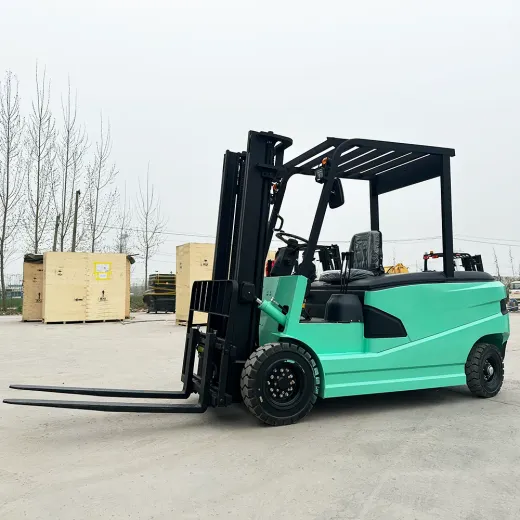
Electric Forklift Cost: Lithium vs Lead-Acid and the TCO Math
What drives electric forklift cost and forklift battery cost — lithium versus lead-acid TCO math, battery voltages (24V, 36V, 48V, 80V), brand options, and everything involved in buying, changing, and replacing a fork truck battery.
Read more →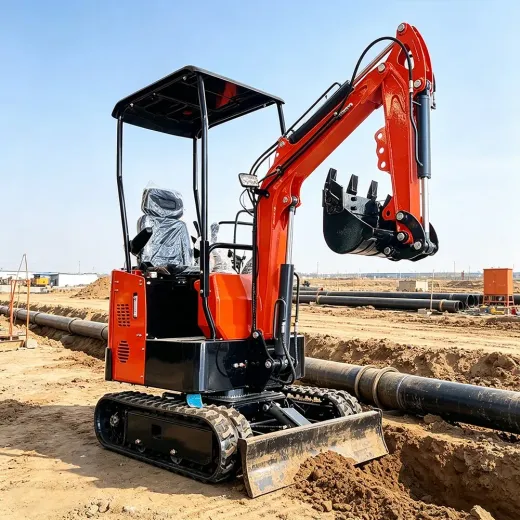
Mini Excavator Cost: What Drives the Price and How to Budget
What really drives mini excavator cost — weight class, attachments, freight and running costs — plus compact excavator prices, cheap mini digger options, Chinese pricing, and finance. No sticker prices, just the real math.
Read more →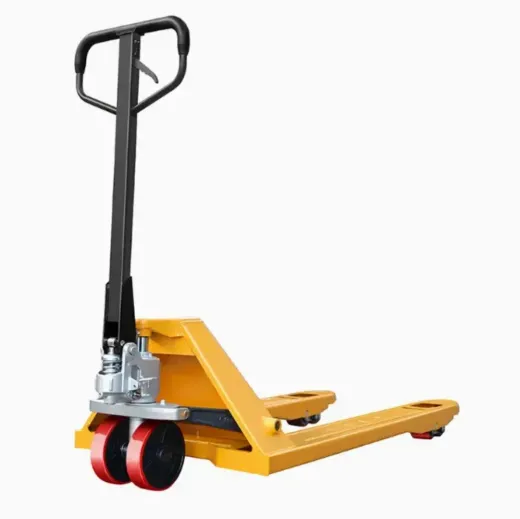
Pallet Jack and Pallet Truck Cost: What You Pay For and Why
What drives pallet truck cost — manual versus electric, capacity, fork size, battery and running costs — and how to budget before you request a quote. No sticker prices, just the real factors.
Read more →