










How to Pick the Best Mini Skid Steer Loader: A Buyer's Guide
2026-06-12
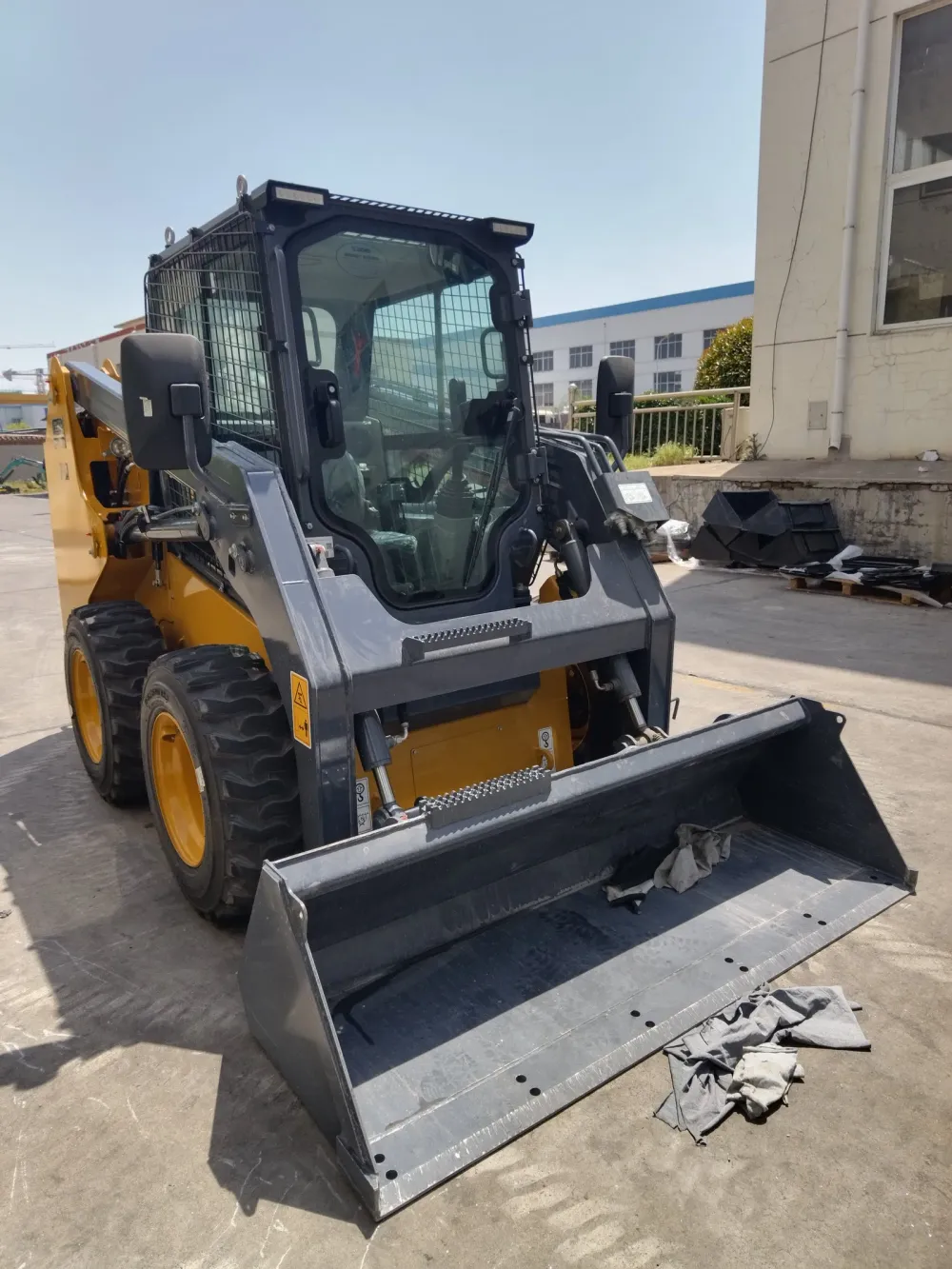
What separates the best skid steer loader from the rest — rated operating capacity, hydraulic flow, size classes, brands, pricing, and use cases. A buyer's guide written for the spec sheet, not the badge.
Search for the best mini skid steer and you'll drown in opinion. Half the lists rank machines by brand loyalty; the other half rank by whatever the writer last rented. Neither tells you which one fits your work. This guide does the opposite — it gives you the four numbers that actually predict whether a mini skid steer loader will earn its keep, so you can rank the field yourself.
None of this depends on the badge. A spec sheet read the right way beats any top-ten list.
Start with rated operating capacity
The single most important number on a skid steer loader spec sheet is rated operating capacity (ROC) — how much it can safely lift. It's roughly half the machine's tipping load, and it sets what you can actually move without going nose-heavy.
Buyers chasing the best small skid steer often fixate on engine power instead, but horsepower without lift capacity just spins the wheels. Write down the heaviest load you handle — a full pallet, a loaded bucket of wet material, a bundle of pipe — and rank every machine on your shortlist by ROC against that figure. A machine that lifts your heaviest load with margin to spare beats a more powerful one that strains at it.
Hydraulic flow decides what it can run
A bare skid steer loader is a platform; the work happens through the auxiliary hydraulics. Two specs matter: flow rate and whether the machine offers high-flow. Standard flow runs buckets and forks; high-flow is what powers the hungrier work like cutters and planers.
If you only push dirt and carry pallets, standard flow is fine and you shouldn't pay for high-flow you'll never use. But if you expect to run hydraulic tools, confirm the flow and pressure now — retrofitting capacity later is expensive or impossible. Match the hydraulics to the tools you'll actually run, not to a hypothetical future, and if you're not sure which tools you'll need, our guide to the best skid steer attachments walks through which ones demand high-flow. Our mini skid steer loader range lists ROC, flow and pressure per model so you can line up the two numbers side by side.
Footprint, weight, and how it gets to work
The whole point of a mini skid is to get into spaces a full-size loader can't. Width and weight decide that. A narrow machine threads gates and works between landscaping without tearing it up; a lighter one trailers behind a pickup instead of needing a dedicated rig.
The best compact skid steer for one buyer is the wrong one for another purely on footprint. A landscaper working finished yards wants the narrowest, lightest machine that still lifts the load. A contractor on open sites can run wider and heavier for more stability and capacity. Measure your tightest access and check your trailer rating before you rank anything else — a machine that can't reach the work has no capacity at all.
Coupler standard and ground drive
Two details quietly decide your long-term flexibility. First, the coupler: a universal quick-attach plate means you can buy work tools from anyone, while a proprietary mount locks you to one source. Always confirm a machine takes standard quick-attach before you buy — it's the difference between an open market and a captive one.
Second, how the machine drives. Walk-behind, stand-on, and ride-in mini skidsteer formats each suit different work: stand-on platforms turn fast and keep the operator close for landscaping, while ride-in cabs win on longer days and rougher ground. There's no single right answer — pick the format that matches your hours and terrain.
Service access and parts, the long-game spec
Every skidsteer spends time in the shop. What separates the top rated skid steer from the rest over five years isn't the brochure figures — it's whether a technician can actually reach the service points and whether you can get a part without a long wait.
This is where buyers should look hardest. Ask three questions of any machine: are the engine and hydraulics standard units serviceable anywhere, can you get filters and wear parts on a normal lead time, and can someone actually reach the grease points and pumps without pulling the machine apart. A loader that scores well here will outlast a flashier one that's a nightmare to service.
Size classes: micro, compact, mid-size, and full-size
Buyers searching across different types of skid steers quickly find that the terminology is loose. Here's how the sizes of skid steers break down in practice:
- Micro skid steer (also called a lightweight skid steer or small bob cat-style machine): under about 2,000 lb operating weight. Fits through a standard gate, runs off a small trailer, gentle on finished ground. Limited lift capacity but ideal for residential landscaping and tight indoor work.
- Compact / mini skid steer: the volume segment. Most buyers in this class are trading off footprint against lift, and this is where the widest range of mini skid steer brands compete.
- Mid size skid steer: more lift capacity and more stable at reach, but width and weight start adding transport cost. Right for contractors who work open sites more than confined yards.
- Full size skid steer and the big skid steer / large skid steer category: these are the biggest skid loader options on the market. The biggest skid steer — or the largest skid steer in the world class — offers the highest lift capacity and the most powerful skid steer engine options, but at a transport and access cost that makes them the wrong choice for confined residential work.
The types of skid steers run from sub-1,000 lb micro machines to 4,000 lb-plus full-size units. Size to the heaviest job you do regularly. A bigger machine is not automatically the best skid loader or the best skid steer loader for your work — it's just a more expensive one to move every day.
Use cases: land clearing, snow removal, landscaping, and farming
The best skid steer for land clearing is one with enough breakout force and the auxiliary hydraulic flow to run a grapple or mulching head. For residential lots and defined work areas, a compact model handles brush, small trees, and grubbing well. The most powerful skid steer options enter the picture on larger acreage where output per hour matters more than access width.
The best skid steer for snow removal calls for a different set of priorities: a pusher or blower attachment demands high auxiliary flow, and the machine needs enough weight to push back against a loaded blade. Cab heat and enclosed visibility matter in winter. The best mini skid steer for landscaping — and more broadly the best skid steer for landscaping — is narrower and lighter, prioritizing footprint over capacity since landscaping work rarely involves the heaviest loads. For a best skid steer for small farm setup, a mid-size unit with a pallet fork option and a standard-flow hydraulic circuit covers the everyday mix of material handling, lot clearing, and bucket work without going oversize.
Brands and what a skid steer comparison actually shows
Any skid steer comparison that leads with skid steer brand names is doing you a disservice. The major mini skid steer brands and the specialist skid steer makes like Baumalight are not all competing on the same specs. A baumalight mini skid steer, for example, is a walk-behind platform aimed at tree care and property maintenance, not a general-purpose loader. Comparing it on rated operating capacity to a ride-in compact unit is comparing the wrong things.
The better skid steer comparison is model-to-model on the four numbers: ROC, hydraulic flow, footprint, and coupler standard. The most reliable skid steer is whichever one has the most accessible service points and the shortest parts lead time for where you operate — reliability is a logistics question as much as a build question. The best skid loader brand is the one whose dealer and service network is nearest to your yard, not the one with the most marketing.
Price: what a skid steer loader costs
Skid loader price and skid steer loader price track weight class and configuration more than badge. A micro skid steer in the lightest class costs a fraction of a large full-size unit, and within any class, a machine quoted with a bare bucket and no coupler is not comparable to one quoted configured and ready to run.
When you look at the best mini skid steer on the market in terms of value — whether comparing models from 2020, 2021, or 2022, or looking at the best mini skid steers available today — the price-to-spec equation matters more than the model year. The best compact track loader on the market search adds the question of undercarriage — tracks cost more than wheels up front but earn that premium on soft or sloped ground. The best track loader for landscaping, best track skid steer, and top rated compact track loaders are all track-undercarriage variations of the same buying logic. Add your ground type to the scoring sheet and the right undercarriage choice becomes clear.
Wheeled vs track: the compact track loader question
The compact track loader — sometimes searched as best compact track loader 2020, best compact track loader 2021, or best compact track loader 2022 — is the same ROC and hydraulics conversation, just with rubber tracks instead of solid tires. The most powerful track loader and the most reliable track skid steer queries resolve the same way as their wheeled equivalents: check the specs, check the service network, ignore the badge ranking.
Tracks win on soft ground, slopes, and finished surfaces. Wheels are cheaper to maintain and move faster on firm ground. If you're building a skid steer comparison sheet and ground type is a variable, add a row for undercarriage and score it honestly for your sites. The best track loader 2022 or best track skid steer 2021 is the same machine evaluated against the same criteria — model year rarely changes the calculus.
Ranking the field yourself
Put it together and you have a scoring sheet that beats any list. For each machine on your shortlist, write down:
- Rated operating capacity against your heaviest real load
- Hydraulic flow and pressure against the tools you'll actually run
- Width and weight against your tightest access and trailer rating
- Coupler standard — universal quick-attach or proprietary
- Parts and service access — lead times and serviceability
The machine that wins your sheet is the best mini skid steer loader for you, regardless of whose name is on it. That's a defensible decision; a top-ten ranking is just someone else's preference.
Browse our mini skid steer loader range · — we reply within one business day.
Frequently asked questions
What should I look for in the best mini skid steer?
Rank machines on four numbers rather than brand reputation: rated operating capacity against your heaviest real load, hydraulic flow against the tools you plan to run, width and weight against your tightest access and trailer rating, and whether the coupler is a universal quick-attach. The machine that wins that scoring sheet is the best one for your work.
What is rated operating capacity on a skid steer loader?
Rated operating capacity (ROC) is the weight a loader can safely lift, set at roughly half its tipping load. It is the most important single spec because it tells you what you can actually carry without going nose-heavy. Compare every machine's ROC against the heaviest load you handle regularly and rank from there.
Do I need high-flow hydraulics on a mini skid steer?
Only if you plan to run hydraulic work tools that demand it. Standard flow handles buckets and forks fine, so you shouldn't pay for high-flow you'll never use. But if hydraulic tools are in your future, confirm the flow and pressure before you buy, because adding hydraulic capacity later is costly or impossible.
What is the difference between a stand-on and ride-in mini skid steer?
Stand-on and walk-behind machines keep the operator close and turn fast, which suits landscaping and tight residential work. Ride-in cabs are more comfortable over long days and steadier on rough ground. Neither is universally better — choose the format that matches your typical hours and terrain.
What are the different types and sizes of skid steers?
The range goes from micro skid steers and lightweight walk-behind units under 2,000 lb, through compact and mid-size machines, up to full-size and large skid steers. Each step up adds lift capacity and engine power but also adds transport cost and access width. Size to the heaviest job you do regularly.
Which skid steer brand is most reliable?
Reliability is a logistics question as much as a build question — the most reliable skid steer for your operation is the one with the best service network and shortest parts lead time near where you work. Compare on parts availability and service access rather than brand reputation alone.
What does a skid steer loader cost?
Price tracks weight class and configuration, not brand. A micro or lightweight unit costs far less than a full-size machine, and within any class, a bare-chassis quote is not comparable to one with a coupler, buckets, and auxiliary hydraulics included. Get every supplier to quote the same configured machine on the same delivery terms to compare like with like.
Related articles
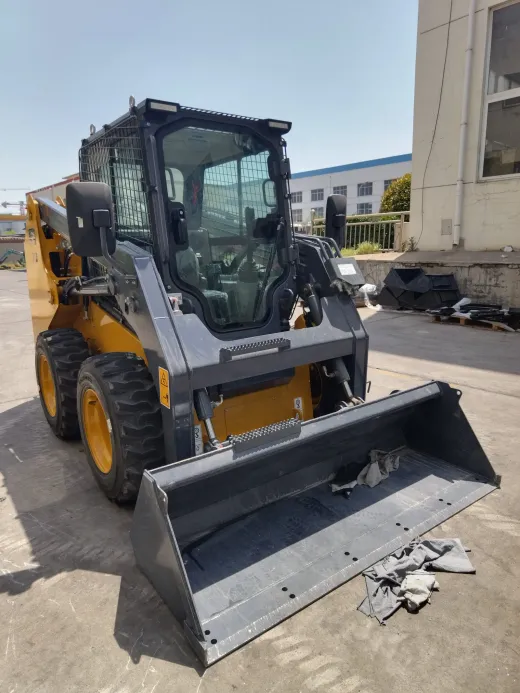
Skid Steer Weight: Operating Weight by Class, Mini to Large Frame
How much does a skid steer weigh? It depends on frame class, undercarriage, and whether you mean operating weight, shipping weight, or rated capacity. This guide breaks down skid steer weight from stand-on minis to large-frame machines, explains tracked vs wheeled weight differences, and covers what the number means for trailer selection and towing rules.
Read more →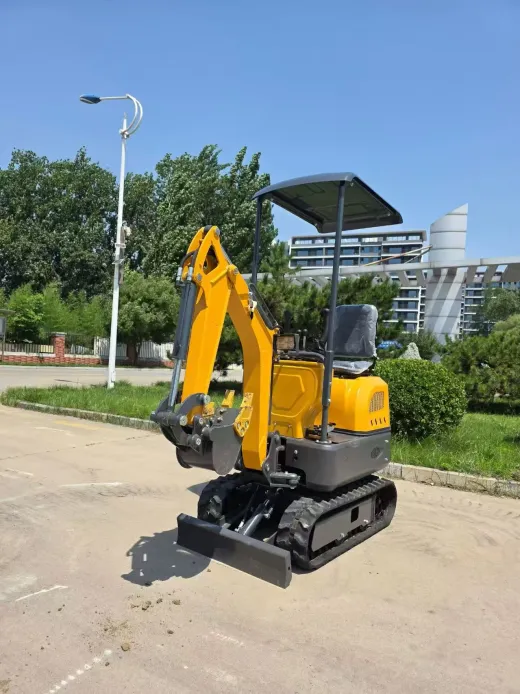
Amphibious Mini Excavators: Working on Water, Marshes & Wetlands
A clear-headed guide to amphibious and floating mini excavators — how pontoon undercarriages work, where they outperform standard machines, their real limitations, and when wide rubber tracks are the smarter choice for wet and soft-ground work.
Read more → Articulating Loaders Explained: Compact & Mini Articulated Loaders
An articulating loader offers superior maneuverability in tight spaces where conventional machines struggle. This guide covers everything buyers need to know about small, compact, and mini articulated loaders — from how they work to what to look for when shopping.
Read more →