










Wheeled vs Tracked: Skid Steer or Compact Track Loader?
2026-06-12
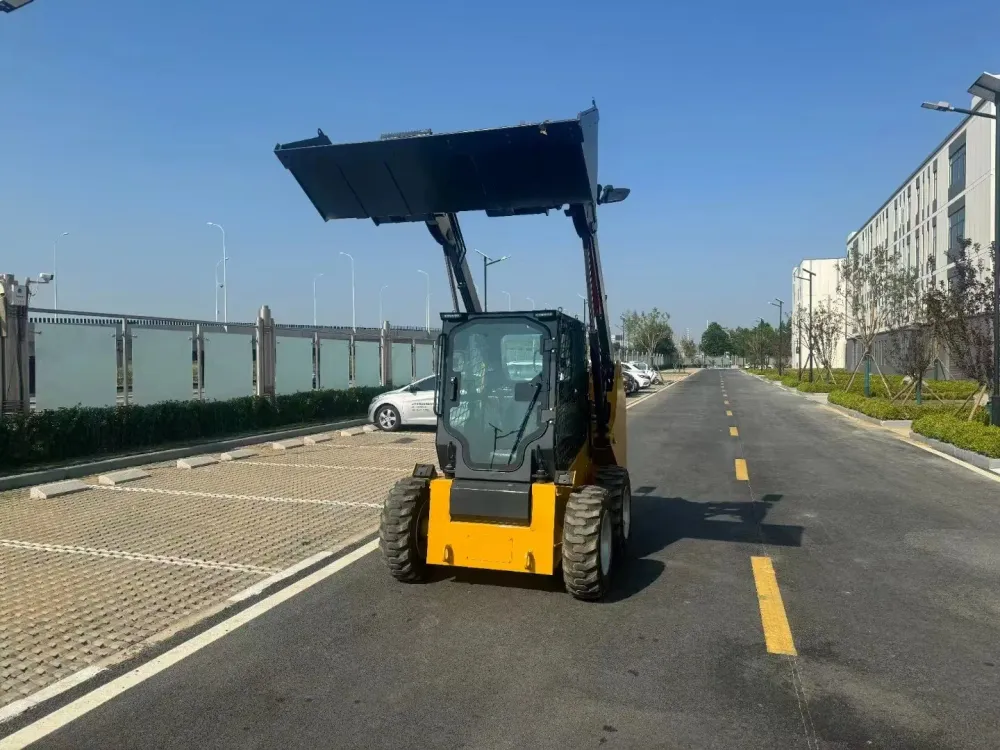
An honest comparison of wheeled skid steers and the best compact track loader options — where tracks win, where wheels win, and a full guide to rubber tracks for skid steer loaders: sizes, types, brands and replacement.
The wheeled-versus-tracked question splits buyers more than any other in this category. One camp swears by the flotation and traction of a track machine; the other won't give up the speed and low running cost of wheels. Both are right — for their ground. This guide lays out where each one wins so you can pick by the work in front of you, not by which review you read last.
We'll be straight about one thing up front: a wheeled skid steer loader and a compact track loader are different tools, and the cheaper-to-run option isn't always the right one.
Where tracks genuinely win
There's no point pretending otherwise — on soft, wet, or sloped ground, the best compact track loader beats a wheeled machine, and it isn't close. A rubber track spreads the machine's weight over a large footprint, so ground pressure drops and the loader floats where wheels would dig in and bog down.
If most of your year is spent on mud, sand, fresh fill, snow, or finished turf you can't afford to rut, a track loader earns its premium. The best rubber track skid steer setups also give you better traction for pushing and grading on slopes. This is real, measurable capability, and anyone who tells you wheels match it on soft ground is selling something.
Where wheels still win
Wheels aren't the poor relation. On firm ground, pavement, and hard-packed sites, a wheeled skid steer loader is faster, more maneuverable, and meaningfully cheaper to own. It moves quicker between tasks, doesn't chew its drive surface, and — the big one — its tires cost a fraction of what a track set costs to replace.
Track wear is the number track-machine buyers underestimate. Tracks are a wear item, and a replacement set is a real budget line that arrives sooner on abrasive or hard surfaces. If your work is mostly on solid ground, paying the track premium and then the track replacement bill is money spent solving a problem you don't have. Run the wheels.
The cost gap, honestly
A track machine costs more up front and more to keep running. You pay for the undercarriage twice — once when you buy it and again when the tracks wear out. On the right ground that premium buys capability you genuinely need; on the wrong ground it's pure overhead.
The honest framing is this: don't buy tracks as insurance. Buy them because your ground demands them. A buyer who runs firm sites and buys a track loader "just in case" pays the premium every single year for flotation they use a handful of days. Match the drive system to your actual ground type, and the cost question answers itself.
Rubber tracks for skid steer loaders: types, sizes and what to know
Whether you're maintaining a compact track loader or fitting over-the-tire tracks to a wheeled machine, understanding rubber tracks for skid steer loaders — also searched as rubber tracks skid steer, skid loader rubber tracks, or simply skid steer tracks for sale — is practical knowledge for any fleet buyer. The category breaks into a few distinct types:
- Standard rubber tracks — the OEM-style track that ships with most CTLs. Made from reinforced rubber compound with steel cords inside, these are the baseline for field performance and lifespan. Common searches for these include compact track loader rubber tracks and track loader rubber tracks.
- Multi-bar rubber tracks — the multi bar skid steer tracks pattern uses a tread with more aggressive cross-bars for improved traction in mud and loose material. Good for construction and earthmoving work where the standard tread packs with clay.
- Turf tracks — skid steer turf tracks and turf tracks for mini skid steer use a flatter, wider tread pattern that minimizes ground disturbance on finished grass, sports fields, and landscaped areas. If you're doing lawn installation or working on a golf course, turf tracks are the right choice to avoid ruts.
- Winter tracks — skid steer winter tracks and winter tracks for skid steer use a deeper, more aggressive lug pattern for grip in snow and ice. Less common than the other types but a real need for operators in cold climates doing snow clearing or winter construction.
For mini machines, the same logic applies but at smaller dimensions: mini skid steer tracks (also searched as mini skid tracks) follow the same type breakdown and need to match the specific machine's roller and sprocket pitch to fit correctly.
Track sizes: reading rubber track dimensions
Rubber track sizes are expressed as three numbers separated by x: width x pitch x link count (sometimes width x pitch x number of links). Two common examples that come up in buyer searches are the 180x72x37 rubber track and the 230x48x70 rubber track. The first number is the track width in millimeters; the second is the pitch — the center-to-center distance between track links — also in millimeters; the third is the number of links in the track. All three have to match your machine's undercarriage to fit: a track with the right width but wrong pitch will not seat on the sprocket. Before ordering replacement tracks, pull the existing track dimensions from the OEM parts list or measure the worn track directly rather than guessing. The wrong size is a return shipment and a delay you don't need. Small rubber tracks for compact and mini machines use the same dimension format and the same fit logic.
Track brands: Bridgestone, Camso, Loegering and what brand means in practice
Several aftermarket track brands come up regularly in buyer searches. Bridgestone skid steer tracks are made by the Japanese tire giant and are known for long wear life and consistent rubber compound quality — a premium choice for high-hours machines where track life directly affects cost per hour. Camso tracks skid steer (formerly Solideal; now owned by Michelin) are among the most widely distributed aftermarket CTL tracks globally and offer a broad range of patterns and sizes covering most machine models. Loegering skid steer tracks are a North American brand known for OTT (over-the-tire) products and aftermarket CTL tracks, with strong dealer support in the US and Canada. These are the names you'll see quoted most often when searching for the best rubber tracks for skid steer or the best tracks for skid steer.
In practice, the brand matters less than the rubber compound quality and the manufacturing tolerance on the pitch and link count. A well-made Chinese-manufactured track on the correct spec will outlast a premium-branded track installed on the wrong pitch. Buy by spec first, brand second, and buy from a supplier who can confirm the dimensions against your machine model before the order ships.
Steel tracks, OTT tracks and special applications
Rubber isn't the only option. Steel skid loader tracks and steel tracks for skid steer — also called compact track loader steel tracks — are the right call in demolition, scrap yards, and heavy rock work where rubber would cut through in hours. Steel tracks grip hard, resist puncture, and last far longer on genuinely abrasive surfaces, but they damage pavement and finished floors and are much heavier on the undercarriage. They're a specialist choice for specialist conditions, not a general upgrade.
Metal tracks for skid steer sometimes refer to the same steel track product, and the decision logic is the same: if the surface would destroy rubber, run steel. If you're on anything softer, rubber is faster, quieter, and easier on the machine.
Skid steer OTT tracks — over-the-tire tracks, sometimes called skid steer wheel tracks or tracks over wheels skid steer — are a different product entirely. OTT tracks bolt onto a wheeled skid steer's existing tires, converting it to a tracked configuration without replacing the undercarriage. They add flotation for soft ground, protect finished surfaces better than bare rubber tires, and cost far less than buying a CTL. The trade-off is added weight, some speed reduction, and the need to remove and reinstall them as conditions change. For buyers who mostly run firm sites but occasionally need flotation, OTTs are a practical middle ground. For buyers who need track performance year-round, a CTL is the cleaner answer. Skid loader tracks for sale in the OTT category come from brands like Loegering and several aftermarket suppliers; sizing them requires matching the OTT to both the tire size and the machine's rated capacity.
Changing tracks on a skid steer: what's involved
Changing tracks on skid steer compact track loaders is a job most experienced operators can handle with the right tools, but it takes time and the right process. The general steps are: release track tension by loosening the tensioner grease fitting, walk the old track off the sprockets and rollers, position the new track and work it onto the undercarriage, then re-tension to the manufacturer's specification and verify across both sides. The main risks are incorrect re-tensioning — too loose causes the track to derail under load; too tight accelerates sprocket and roller wear — and failing to check track alignment after installation. If you're ordering skid steer tracks for sale and planning to change them yourself, make sure you have the machine's service manual for the tensioning spec before you start, and have a floor jack or skid steer lift point to raise the machine off the ground for track installation.
What ZHONGMAI builds, and what we don't
Here's where we'll be plain. We build wheeled skid steer loaders, not compact track loaders. If your work truly demands a CTL — full-time soft ground, slopes, or turf you can't rut — we'd rather tell you straight than sell you the wrong machine.
What we do offer covers a lot of the ground that pushes buyers toward tracks in the first place. Our skid steer loader line is the right call for the large share of work that happens on firm and mixed sites, where wheels are faster and cheaper. And for the soft-ground or precise-grading jobs that genuinely need a tracked undercarriage, a mini excavator on rubber tracks often does the digging and trenching work better than a CTL anyway — different tool, same low ground pressure. Tell us the job and we'll point you to the machine that actually fits, even when that's a different category.
Choosing by ground type
Forget the brand debate and sort your work by surface. It comes down to this:
- Mostly firm, paved, or hard-packed ground: a wheeled skid steer is faster, cheaper, and the right call.
- Mostly soft, wet, sloped, or finished turf: tracks win — budget for the undercarriage and the eventual replacement.
- A genuine mix: lean to wheels for cost unless the soft-ground days are frequent and high-stakes, then tracks.
- Mostly digging and trenching: a tracked mini excavator may serve you better than either skid steer format.
Pick the line that describes your real year. The machine follows from the ground, not the other way around.
Browse our skid steer loader range · — we reply within one business day.
Frequently asked questions
Should I buy a wheeled skid steer or a compact track loader?
Decide by ground type. A wheeled skid steer is faster, cheaper to run, and the right choice on firm, paved, or hard-packed sites. A compact track loader wins on soft, wet, sloped, or finished ground where its low ground pressure lets it float instead of bogging down. If your year is mostly firm ground, the wheeled machine is usually the better-value call.
Are tracks more expensive than wheels on a skid steer?
Yes, on both counts. A track machine costs more to buy and more to keep running, because the undercarriage is a wear item and a replacement track set is a significant budget line — far more than tires. That premium is worth it on soft ground that demands flotation, but it's pure overhead if you mostly run firm surfaces.
Does ZHONGMAI make a compact track loader?
No. We build wheeled skid steer loaders rather than compact track loaders, and we'd rather be straight about that than sell the wrong machine. For firm and mixed sites our skid steer loaders are the right tool, and for soft-ground digging and trenching a mini excavator on rubber tracks often does the job better than a CTL anyway.
What ground actually needs tracks instead of wheels?
Full-time soft ground — mud, sand, fresh fill, snow — plus slopes and finished turf you can't afford to rut. On those surfaces a tracked machine's low ground pressure gives traction and flotation that wheels simply can't match. On firm or hard-packed ground, that advantage disappears and wheels become the faster, cheaper choice.
What are rubber tracks for skid steer loaders?
Rubber tracks for skid steer loaders are the continuous-loop reinforced rubber belts that replace wheels on compact track loaders. They come in standard, multi-bar, turf, and winter tread patterns for different ground conditions. Track size is expressed as width x pitch x link count — all three numbers must match your machine's undercarriage to fit correctly. Aftermarket brands include Bridgestone, Camso, and Loegering, among others.
What is the difference between rubber tracks and steel tracks for a skid steer?
Rubber tracks are the standard choice for most construction, landscaping, and general work — they protect finished surfaces, are quieter, and are easier on the undercarriage. Steel tracks are for demolition, scrap yards, and heavy rock work where rubber would wear through quickly. Steel tracks damage pavement and are heavier on the machine, so they're a specialist tool for genuinely abrasive conditions, not a general upgrade.
What are OTT tracks for a skid steer?
Over-the-tire (OTT) tracks bolt onto a wheeled skid steer's existing tires, converting it to a partially tracked configuration without changing the undercarriage. They add flotation and surface protection for soft or finished ground, and cost far less than buying a compact track loader. The trade-off is added weight, some speed reduction, and the need to fit and remove them as site conditions change. They're a practical middle ground for buyers who mostly run firm sites but occasionally need flotation.
Related articles
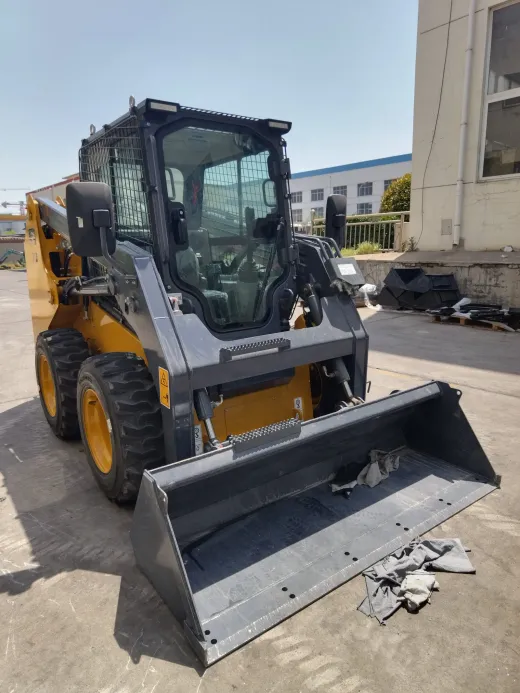
Skid Steer Weight: Operating Weight by Class, Mini to Large Frame
How much does a skid steer weigh? It depends on frame class, undercarriage, and whether you mean operating weight, shipping weight, or rated capacity. This guide breaks down skid steer weight from stand-on minis to large-frame machines, explains tracked vs wheeled weight differences, and covers what the number means for trailer selection and towing rules.
Read more →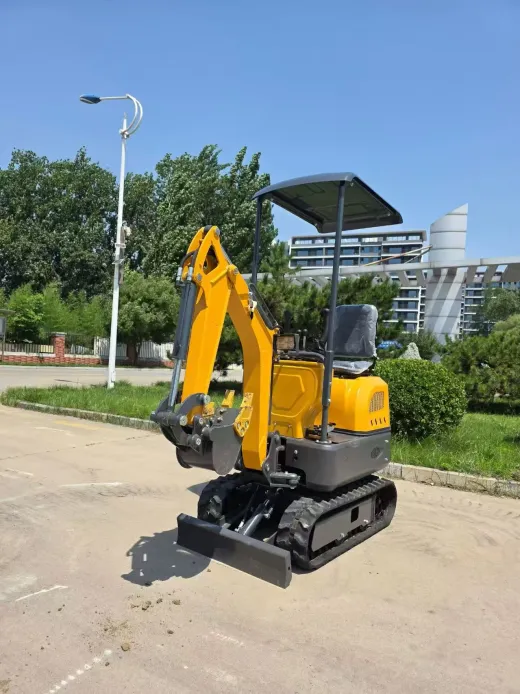
Amphibious Mini Excavators: Working on Water, Marshes & Wetlands
A clear-headed guide to amphibious and floating mini excavators — how pontoon undercarriages work, where they outperform standard machines, their real limitations, and when wide rubber tracks are the smarter choice for wet and soft-ground work.
Read more → Articulating Loaders Explained: Compact & Mini Articulated Loaders
An articulating loader offers superior maneuverability in tight spaces where conventional machines struggle. This guide covers everything buyers need to know about small, compact, and mini articulated loaders — from how they work to what to look for when shopping.
Read more →