










Buying a Skid Steer at Auction: What to Check Before You Bid
2026-06-28
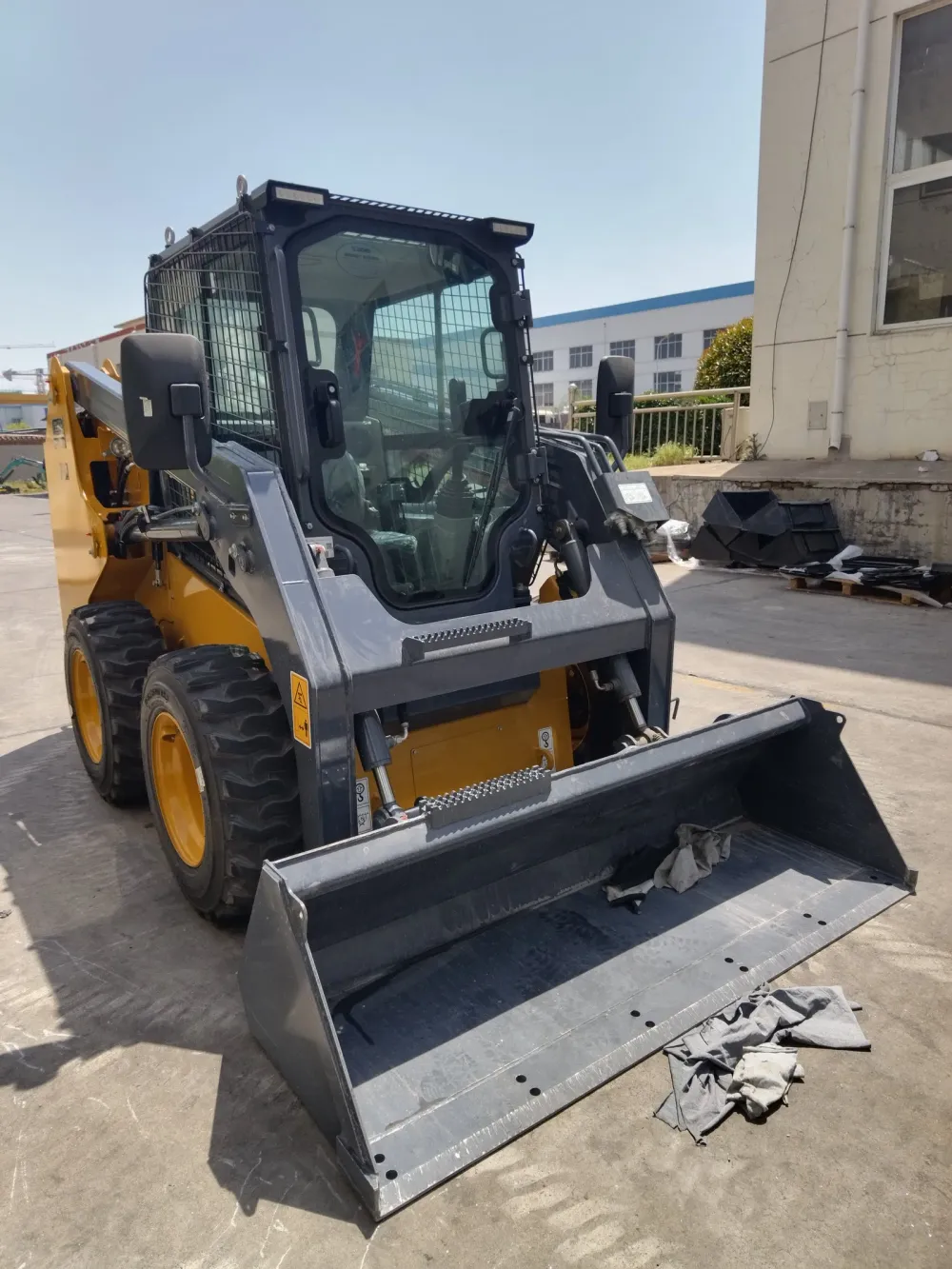
Thinking about bidding on a used loader? This guide covers the top inspection points for skid steer auctions, which platforms to trust, red flags on old machines, and when buying new from a Chinese manufacturer saves you more money in the long run.
Why Skid Steer Auctions Attract So Many Buyers
The appeal of a skid steer auction is straightforward: machines that once cost $40,000–$80,000 new sometimes hammer out at a fraction of that price. Rental fleets rotate equipment every three to five years, construction companies downsize after project completions, and estate sales push perfectly capable loaders onto the block. The volume of units available at skid steer auctions means buyers have genuine choice — but that same volume masks enormous variation in condition.
Understanding what drives auction supply is the first step toward buying wisely. Fleet-retirement machines typically have high hours but consistent, documented maintenance. Repo or bank-owned units are unpredictable — some were barely used, others were run hard with deferred service. Estate and small-contractor machines fall somewhere in between. Knowing the seller category before you bid shapes every inspection decision that follows.
Major Platforms: TractorHouse, IronPlanet, and Others
Two platforms dominate online heavy-equipment auctions in North America. TractorHouse skid loaders listings aggregate inventory from dealers and private sellers, with searchable filters for make, hours, year, and location. Listings often include dealer-supplied photos and basic specs, but condition descriptions vary widely in reliability. Always treat seller-written condition notes as a starting point for your own investigation, not a substitute for it.
IronPlanet skid steer listings are differentiated by the platform's optional IronClad Assurance inspection program, where a third-party inspector grades the machine and documents findings with photos. Paying a small premium for an inspected listing reduces — but does not eliminate — the risk of hidden defects. IronPlanet also runs Ritchie Bros. integration events where live and online bidding occur simultaneously. Other platforms worth monitoring include Proxibid, Sandhills Global, and regional auctioneers who specialize in construction equipment. For track skid steer auction inventory specifically, filter by undercarriage type early — rubber-track compact track loaders and wheeled skid steers are priced and inspected differently.
What to Inspect on Any Used Skid Steer
Whether you are evaluating a skid steer loader auction lot in person or reviewing a photo package remotely, work through the same checklist every time.
- Hours vs. condition: High hours on a well-maintained machine often outperform low hours on a neglected one. Request service records. Absence of records is itself a data point.
- Hydraulic system: Inspect all hose runs for cracking, chafing, or evidence of weeping. Cycle the bucket and auxiliary circuits fully. Slow or jerky response under load indicates pump wear or contaminated fluid.
- Lift arm geometry: Check pivot pins and bushings for play. Worn pins are cheap to ignore and expensive to defer — they accelerate stress on the boom weldments.
- Cab and controls: Test every switch, joystick, and safety interlock. A seat-bar or door interlock that has been bypassed is a liability signal, not a convenience feature.
- Undercarriage (CTL units): Measure track tension, inspect drive sprockets and rollers for wear patterns. On rubber-track machines, look for delamination or cord exposure. Replacing a full track set can cost $3,000–$6,000 — factor that into your maximum bid.
- Engine and cooling: Run the machine to operating temperature. Check for white smoke (coolant), blue smoke (oil), or black smoke (fuel/air imbalance). Inspect the coolant overflow tank for oil contamination.
- Frame and weld integrity: Look at the chassis under the cab and at all loader-arm weld joints. Cracks that have been ground and painted over are a serious structural concern.
Red Flags on Old Skid Steers
Experience separates the buyers who profit at auction from those who haul home an expensive repair project. When looking at an old skid loader or any older skid steers for sale, the following signals warrant either a dramatic bid reduction or a walk-away decision.
- Evidence of fire: Melted wiring harness sections, discolored paint near the engine bay, or replaced electrical components without a clear explanation.
- Structural weld repairs: Amateur repairs to loader arms or the chassis frame are difficult to fully evaluate without destructive testing. Professional weld repairs with traceable documentation are acceptable; undocumented grinding and re-welding is not.
- Rolled-back hour meters: Cross-reference physical wear (seat foam, pedal rubber, control grip condition) against the displayed hours. Gross mismatches suggest tampering.
- Missing or bypassed safety systems: If the previous operator defeated interlocks to speed up workflow, ask what else was deferred.
- An old skid steer with no service history and no clear ownership chain compounds every other risk. Provenance matters.
Compact track loaders warrant additional scrutiny. A jd track loader or similar branded machine with worn sprockets and stretched tracks may look clean but carry $8,000–$12,000 in deferred undercarriage costs. If you are specifically evaluating a jd track skid steer or a jd track skid steer for sale from a private seller, request the dealer service history printout — most major brands can supply this by serial number.
Mini Skid Steers at Auction: A Different Risk Profile
The market for a mini skid steer auction lot is expanding as landscape contractors, rental operations, and property managers discover how much work a compact loader can do in tight spaces. Mini skid steers (sub-1,000 lb rated operating capacity) see heavy use in landscaping, utility work, and interior demolition — cycles that are short and frequent, generating high hours in a short calendar period.
When bidding on a used mini skid steer, pay particular attention to the drive system (chain-driven models have higher maintenance requirements than direct-drive hydrostatic units) and to the coupler plate condition. Universal quick-attach compatibility is a major value driver; proprietary couplers limit your attachment options and add cost. Inspect the lift arm pivot points carefully — mini machines take disproportionate stress at those joints relative to their frame size.
Calculating Your True All-In Cost
The hammer price at a skid loader auction is never your total cost. Build a realistic budget before you bid on any use skid steer for sale to avoid buyer's remorse.
- Buyer's premium: Most auction platforms charge 5–15% on top of the winning bid. Read the fee schedule before registering.
- Transport: A flatbed delivery from across the state can run $500–$2,500 depending on distance and machine size.
- Immediate service: Budget a fluid-and-filter service regardless of how clean the machine looks. Hydraulic fluid, engine oil, fuel filters, and air filters — plan $300–$800 for parts alone.
- Deferred repairs: Price out any flagged items before bidding. If the hydraulic pump needs rebuilding ($1,500–$3,000) or the tracks need replacement ($3,000–$6,000), subtract those from your maximum acceptable bid.
- Downtime risk: An auction machine with no warranty means any breakdown after delivery is entirely your expense and your schedule problem.
When you add buyer's premium, transport, immediate service, and realistic repair reserves, many auction machines end up costing 60–80% of a comparable new unit — without the warranty, the known history, or the current-generation features.
When New Beats Used: The ZHONGMAI Alternative
For buyers whose math keeps closing the gap between auction pricing and new-machine costs, a factory-direct purchase from a Chinese manufacturer like ZHONGMAI deserves serious consideration. ZHONGMAI skid steer loaders are built on modern platforms with current engine technology, full hydraulic systems sized to the machine's rated capacity, and ISO-standard quick-attach couplers compatible with the full range of skid steer attachments.
The pricing model is fundamentally different from the auction market. You are not bidding against other buyers under time pressure on an unknown machine. You receive a new unit with a verifiable specification sheet, a factory warranty, and direct access to technical support and spare parts. For customers outside North America especially, the landed cost of a new ZHONGMAI machine frequently undercuts what equivalent used North American iron sells for after adding freight, auction fees, and reconditioning.
This does not mean auction buying is always wrong — for experienced operators who can inspect in person, have a trusted mechanic on call, and have realistic repair budgets, well-priced auction machines remain a viable strategy. But for buyers who cannot inspect personally, who need a machine that is immediately productive, or who are buying their first loader, the risk-adjusted value of a new factory-direct machine is often superior to a discounted used one.
Bidding Strategy and Final Checklist
If you have completed your inspection and decided to proceed, discipline in the bidding room is the last line of defense against overpaying.
- Set your maximum before the auction opens — not during it. Auction psychology (sunk-cost pressure, competitive momentum) reliably pushes winning bids above rational limits for unprepared buyers.
- Account for all post-hammer costs in your maximum figure, not just the machine price.
- Do not bid on machines you have not inspected (or had independently inspected) unless the lot terms give you meaningful recourse — which most auction terms do not.
- Walk away cleanly. There will always be another skid steer loader auction. The discipline to pass on a borderline machine is what keeps acquisition costs under control over a career.
- Compare to new as a final sanity check. If your all-in auction cost lands within 20% of a new factory-direct machine, the new machine wins on risk-adjusted value in most scenarios.
The used equipment market rewards preparation and penalizes impatience. Go in with a checklist, a budget ceiling, and a willingness to walk — and skid steer auctions can be a legitimate sourcing channel for cost-conscious operators.
Browse our skid steer auctions range · — we reply within one business day.
Frequently asked questions
What is a fair price to pay for a used skid steer at auction?
Fair pricing depends on make, model, hours, condition, and current new-machine prices. As a rough benchmark, a 5–8 year old wheeled skid steer with 2,000–3,500 hours in good working condition typically sells at skid steer auctions for 35–55% of its original MSRP. Add buyer's premium, transport, and a service reserve — if your all-in number exceeds 70% of a comparable new machine's price, evaluate whether buying new makes more sense.
Is IronPlanet or TractorHouse better for buying a used skid steer?
Both platforms have large inventories. IronPlanet skid steer listings with IronClad Assurance inspections offer more documented condition information, which is valuable if you cannot inspect in person. TractorHouse skid loaders listings tend to include more dealer inventory with photos and specs, but condition descriptions are self-reported. For high-value purchases, use both platforms and prioritize inspected listings regardless of platform.
How many hours is too many on an old skid steer?
Hours alone do not determine machine value. A well-maintained old skid loader with 4,000 hours can outperform a neglected machine with 1,500 hours. Inspect maintenance records, hydraulic response, undercarriage condition, and structural integrity rather than filtering purely by hour count. That said, machines above 5,000 hours on the original powertrain carry meaningfully higher rebuild risk and should be priced to reflect that.
What should I look for when buying a mini skid steer at auction?
At a mini skid steer auction, prioritize the drive system condition (chain wear on chain-drive models), the coupler plate compatibility with standard attachments, lift arm pivot pin play, and hydraulic hose condition. Mini machines cycle frequently and accumulate hours fast — verify hour meter accuracy against physical wear indicators like seat and grip condition.
Can I buy a track skid steer at auction and save money versus new?
Potentially, but the savings are often smaller than they appear. Track replacement on a compact track loader costs $3,000–$6,000 for a full set, and worn sprockets and rollers add further cost. When evaluating a track skid steer auction lot, measure remaining track life and factor full replacement cost into your maximum bid before committing. Compare the adjusted total to the cost of a new machine before deciding.
Are Chinese skid steer loaders reliable enough to consider over used American brands?
Modern Chinese skid steer manufacturers have significantly closed the quality gap with Western brands, particularly at the entry-to-mid tier. Manufacturers like ZHONGMAI produce machines on current hydraulic platforms with ISO-standard couplers and verifiable specifications. For buyers who cannot inspect an auction machine in person, or who need a warranty and immediate parts support, a new factory-direct Chinese loader often presents better risk-adjusted value than a discounted used machine of unknown condition.
What attachments work with auction-purchased skid steers?
Most skid steers manufactured since the mid-1990s use the universal skid steer quick-attach (Bob-Tach style) coupler, which is compatible with a broad range of aftermarket and OEM attachments. Verify the coupler type before bidding — some older or compact models use proprietary interfaces that limit your options. If you plan to run multiple attachment types, ISO-standard compatibility is a significant practical advantage.
Related articles
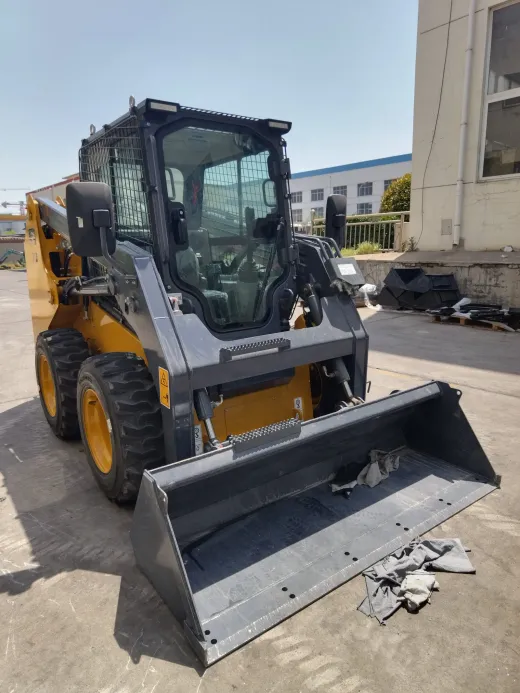
Skid Steer Weight: Operating Weight by Class, Mini to Large Frame
How much does a skid steer weigh? It depends on frame class, undercarriage, and whether you mean operating weight, shipping weight, or rated capacity. This guide breaks down skid steer weight from stand-on minis to large-frame machines, explains tracked vs wheeled weight differences, and covers what the number means for trailer selection and towing rules.
Read more →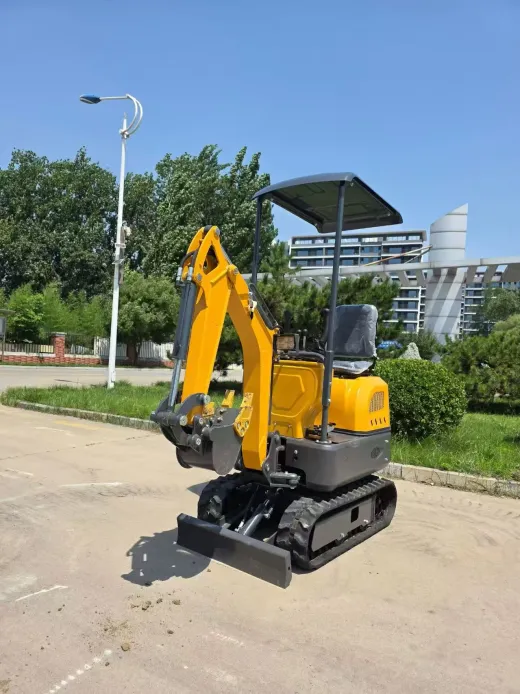
Amphibious Mini Excavators: Working on Water, Marshes & Wetlands
A clear-headed guide to amphibious and floating mini excavators — how pontoon undercarriages work, where they outperform standard machines, their real limitations, and when wide rubber tracks are the smarter choice for wet and soft-ground work.
Read more → Articulating Loaders Explained: Compact & Mini Articulated Loaders
An articulating loader offers superior maneuverability in tight spaces where conventional machines struggle. This guide covers everything buyers need to know about small, compact, and mini articulated loaders — from how they work to what to look for when shopping.
Read more →