










Skid Steer Compactor & Vibratory Roller Attachment Guide
2026-06-28
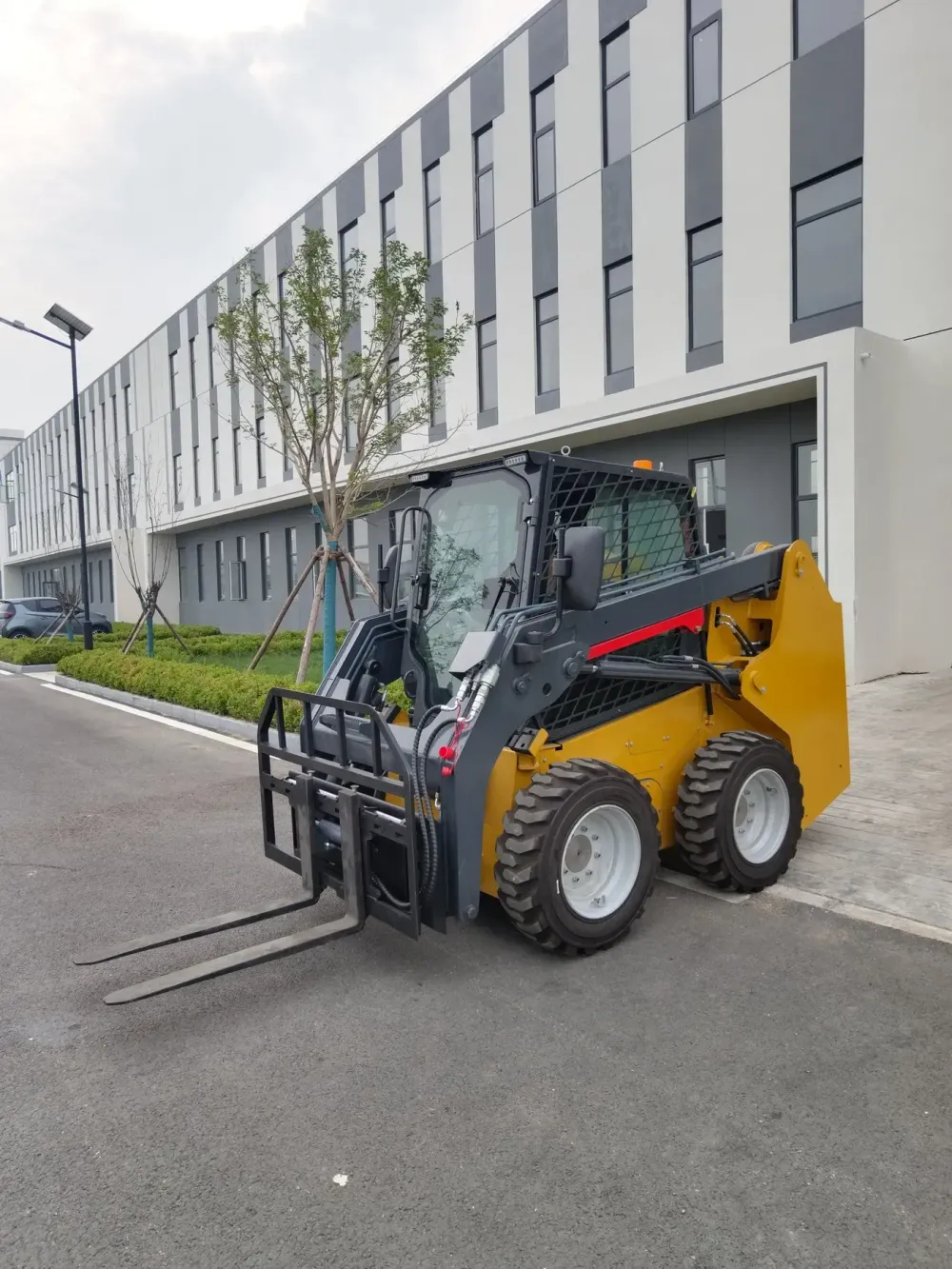
A skid steer compactor attachment transforms your machine into a versatile compaction powerhouse — ideal for soil, gravel, asphalt patch work, and sod installation. This guide breaks down every roller and compactor type, how to match specs to your job, and what to look for when shopping a skid steer vibratory roller for sale.
If you own a skid steer loader, you already have the prime mover for one of the most useful attachment categories in earthmoving: compaction. A quality skid steer compactor attachment lets you consolidate soil, gravel sub-base, asphalt patches, and even freshly laid sod without renting a dedicated ride-on roller for every small-to-mid-size job. Whether you are a landscaper rolling out turf, a utility contractor backfilling a trench, or a site prep crew building a pad, the right skid steer roller attachment keeps your equipment count down and your profit margins up. This guide covers every major type — from the smooth-drum skid steer roller compactor to the oscillating skid steer vibratory roller — so you can make a confident buying decision.
Types of Skid Steer Compactor Attachments Explained
The compaction attachment market for skid steers has grown substantially, and the terminology can be confusing. Understanding the differences before you search for a skid steer roller for sale or a skid steer vibratory roller attachment will save you from buying the wrong tool.
- Smooth-drum skid steer roller compactor: A single or dual steel drum that rides on the ground surface. Best for compacting granular soils, gravel, and cold-patch asphalt. The skid steer roller compactor attachment category is dominated by this style because it is simple, durable, and works on a wide range of materials.
- Skid steer vibratory roller / vibrating roller for skid steer: Adds an eccentric-weight hydraulic vibrator inside the drum. The oscillation drives compaction energy deeper into the soil profile, achieving better density in fewer passes. If your job calls for engineered compaction (road base, building pads, utility trenches), a vibratory roller attachment for skid steer is the correct tool.
- Skid steer sod roller: A lighter, often foam- or water-filled drum designed specifically to press freshly laid sod into firm contact with the soil beneath. The sod roller attachment for skid steer — sometimes called a sod roller skid steer attachment — eliminates air pockets without over-compacting the root zone.
- Skid steer packer attachment / skid steer tamper attachment: Plate-style or segmented-pad compactors that deliver impact energy rather than rolling pressure. Useful in tight corners and for clay soils where a drum roller would shear the surface.
- Skid steer compaction wheel: A single pneumatic or steel wheel mounted to the quick-attach plate, often used for trench compaction alongside the machine's travel path.
Each type is available as a compactor attachment for skid steer in a range of drum widths and operating weights to match your host machine's hydraulic flow and lift capacity. Browse ZHONGMAI's full lineup at skid steer attachments.
How to Match a Vibratory Roller to Your Skid Steer
Buying a skid steer vibratory roller attachment that is mismatched to your machine is one of the most common — and expensive — mistakes contractors make. Here is the spec-matching checklist professionals use.
- Hydraulic flow (GPM): Most vibratory roller skid steer attachment units require 15–25 GPM of continuous auxiliary flow to spin the vibration motor at full amplitude. Check your skid steer's rated auxiliary flow against the attachment spec sheet. Too little flow = reduced frequency = poor compaction. Too much = overheating the motor.
- Operating pressure (PSI): Standard auxiliary circuits run 3,000–3,500 PSI. High-amplitude vibrating roller for skid steer models may demand up to 4,000 PSI — verify your machine's relief valve setting.
- Drum width vs. machine width: A drum that overhangs your tracks or tires creates side-load and premature bearing wear. As a rule, keep drum width within 6 inches of your machine's overall width.
- Attachment weight: A heavy skid steer vibratory roller raises the machine's center of gravity. Confirm the total attachment weight (drum + frame + hydraulic motor) is within your rated operating capacity (ROC) and that front stability is not compromised.
- Quick-attach compatibility: Universal skid steer plate (Bob-Tach style), ISO universal, or brand-specific couplers — confirm the coupler style before ordering any skid steer roller compactor attachment for sale.
ZHONGMAI's skid steer loaders are engineered with high-flow auxiliary circuits as standard, making them excellent host machines for demanding vibratory attachments.
Skid Steer Sod Roller: Landscaping Applications
The skid steer sod roller serves a different master than its compaction-focused cousins. Landscape contractors rolling out pallets of sod on residential lawns, golf course fairways, sports fields, and commercial properties need a drum that presses — not pounds — the turf into place.
A quality sod roller attachment for skid steer uses a large-diameter (typically 24–36 inch) smooth steel or poly drum that can be partially filled with water to adjust ballast weight. This lets the operator fine-tune ground pressure based on soil moisture and sod type. On a dry day with firm soil, you add more water; on a rainy day with saturated ground, you drain it down to avoid compaction damage.
Key features to look for in a sod roller skid steer attachment:
- Drain plug and fill port that are accessible without tools
- Drum bearings sealed against dirt and water ingress
- Offset hitch that lets the drum track outside the machine's footprint, so the skid steer tires do not run over freshly rolled sod
- Scraper bar to clear mud and grass clippings from the drum face
Many landscapers pair a sod roller with a skid steer tamper attachment for seam work along curbs and edges where the roller cannot reach. The combination covers an entire installation in a single mobilization.
Vibratory Plow Attachments: Trenching Without Digging
Often grouped with compaction attachments in dealer catalogs, the vibratory plow attachment for skid steer — sometimes called a mini skid steer vibratory plow when fitted to compact track loaders — is actually a cable and conduit installation tool. It uses a vibrating blade to slice through soil and simultaneously pull irrigation pipe, electrical conduit, or fiber optic cable into the ground with minimal surface disruption.
Despite operating on a similar hydraulic vibration principle as the skid steer vibratory roller, the plow is not a compaction device. It is included here because buyers frequently compare the two when budgeting hydraulic flow capacity and because a single high-flow skid steer can often run both attachments on the same job site.
Practical uses for a vibratory plow attachment for skid steer:
- Irrigation system installation in turf areas where open trenching would destroy landscaping
- Low-voltage lighting and electrical conduit runs across finished properties
- Drainage tile installation in agricultural fields
- Fiber and telecommunications cable burial along roadway edges
After plowing, a skid steer compactor run with a skid steer compaction wheel or roller closes and consolidates the disturbed soil strip — making the two attachments natural job-site partners.
Buying a Skid Steer Compactor Attachment: New vs. Used
When searching for a skid steer vibratory roller for sale or a skid steer roller attachment for sale, you will encounter both new and used options. Here is how to evaluate each.
Buying new gives you full warranty coverage, known service history, and attachments built to current hydraulic standards. For a high-cycle tool like a vibratory roller compactor for skid steer — where the vibration motor logs thousands of hours — starting fresh avoids the risk of inheriting worn bearings, cracked frames, or hydraulic motor failure from a previous owner's abuse.
Buying used can save 30–50% on acquisition cost, but requires a careful inspection checklist:
- Inspect drum bearing play by grabbing the drum and attempting to rock it laterally — any movement indicates worn bearings
- Check hydraulic motor casing for cracks, leaks, or impact damage
- Spin the drum by hand (machine off) — it should rotate smoothly with no grinding
- Inspect the frame welds around the quick-attach plate, where stress concentrates during operation
- Confirm vibration frequency and amplitude specs match your machine's flow by running the attachment at full flow before purchase
Whether buying new or used, always request the rated compaction force (expressed in pounds or kilonewtons), operating frequency (VPM — vibrations per minute), and amplitude (mm) so you can verify the unit will achieve the compaction density your project specifications require.
ZHONGMAI's skid steer attachment range is sold new with full documentation, hydraulic specs, and warranty support — giving buyers a clear baseline for comparison when evaluating any skid steer roller compactor attachment for sale on the used market.
Maintenance Tips to Maximize Attachment Life
A skid steer compactor or roller is a deceptively simple-looking machine, but the internal vibration system demands consistent care. Follow these maintenance habits to protect your investment.
- Grease daily: All drum shaft bearings should be greased at the interval specified by the manufacturer — typically every 8–10 operating hours for a working skid steer vibratory roller attachment. Missed greasing intervals are the leading cause of premature bearing failure.
- Check hydraulic connections before every use: Inspect quick-connect couplers, hose ends, and the motor case drain line for leaks or damage. A blocked case drain line will destroy a hydraulic motor within minutes of operation.
- Flush hydraulic system when changing attachments: Contaminated hydraulic fluid is the number-one killer of vibration motor internal components. Keep auxiliary circuit fluid clean and change it per your skid steer manufacturer's schedule.
- Inspect the scraper bar: On sod roller attachment for skid steer and smooth-drum roller models, the scraper bar prevents material buildup. A worn or missing bar lets packed material score the drum surface and increase rolling resistance.
- Store off the ground: Store your skid steer roller or skid steer packer attachment elevated on blocks or a rack. Sitting on the drum concentrates load on a single bearing position and can cause flat spots on rubber-coated drums.
- Winterize water-ballasted drums: Drain all water from skid steer sod roller drums before freezing temperatures arrive. Expanding ice will crack drum seams and damage fill port fittings.
Pairing a well-maintained compaction attachment with a reliable host machine — such as ZHONGMAI's purpose-built skid steer loaders — ensures full hydraulic compatibility and consistent uptime across your fleet.
Compaction Attachments for Related Machines
While this guide focuses on the skid steer platform, it is worth noting that compaction attachments are also available for other compact equipment in your fleet. If you regularly work on projects that combine excavation, grading, and compaction, consider how each machine contributes:
- Mini excavator: Hydraulic plate compactors mount to the excavator's arm, allowing compaction inside trenches and in confined areas no roller can reach. ZHONGMAI's mini excavators are compatible with a wide range of hydraulic compactor attachments.
- Backhoe loader: The rear stabilizer legs of a backhoe loader hold the machine steady while a compactor attachment on the front quick-coupler rolls driveways and parking pads — a common combination for small paving crews.
- Compact track loader: The track undercarriage of a CTL distributes machine weight better on soft ground, making it an excellent platform for a vibrating roller for skid steer-style attachment when site conditions are wet or unstable.
Investing in a single high-quality vibratory roller attachment for skid steer that quick-attaches to a universal plate means the same drum can move between your skid steer and CTL depending on ground conditions — maximizing utilization and reducing total attachment inventory costs.
Browse our skid steer compactor attachment range · — we reply within one business day.
Frequently asked questions
What is the difference between a skid steer vibratory roller and a standard skid steer roller compactor?
A standard skid steer roller compactor uses static drum weight to consolidate material — the compaction force equals drum weight multiplied by contact area pressure. A skid steer vibratory roller adds hydraulically driven eccentric weights inside the drum that spin rapidly, generating dynamic impact force many times greater than static weight alone. For engineered compaction on road base, building pads, and utility backfill, a vibratory roller achieves required density in far fewer passes, reducing time on site significantly.
How many GPM does a skid steer vibratory roller attachment typically require?
Most vibratory roller skid steer attachment models require between 15 and 25 GPM of auxiliary hydraulic flow at 3,000–3,500 PSI operating pressure. High-amplitude models designed for deep lift compaction may demand up to 25–30 GPM. Always verify your skid steer's rated auxiliary flow against the attachment's minimum and maximum flow requirements before purchase. Insufficient flow results in reduced vibration frequency and poor compaction density; excessive flow can overheat and damage the hydraulic motor.
Can I use a skid steer sod roller for soil compaction?
A skid steer sod roller is designed for light surface contact — pressing sod into soil contact — not structural compaction. Its drum diameter, weight, and lack of vibration mean it will not achieve the density required for road base, building pads, or trench backfill. For any application requiring measurable compaction (Proctor density test, plate load test), use a dedicated skid steer vibratory roller or skid steer compaction wheel. Using a sod roller for structural compaction produces a false sense of security — the surface looks firm but the material beneath remains loose.
What should I inspect when buying a used skid steer roller attachment for sale?
Focus on four areas: (1) Drum bearing condition — rock the drum laterally by hand; any play indicates worn bearings. (2) Hydraulic motor — inspect the casing for cracks, leaks, and check the case drain port is intact and not blocked. (3) Frame welds — inspect all welds at the quick-attach plate and drum yoke brackets for cracks from fatigue. (4) Vibration function — run the attachment at full flow on a host machine and confirm it vibrates at rated frequency; a weak or inconsistent vibration suggests internal eccentric weight wear or motor issues.
Is a skid steer compaction wheel the same as a vibratory roller?
No. A skid steer compaction wheel is typically a single pneumatic or narrow steel wheel mounted to the quick-attach plate, used primarily for trench compaction where a full-width drum roller cannot maneuver. A vibratory roller is a wide-drum attachment with internal hydraulic vibration. For trench backfill along a pipe run, a compaction wheel can roll alongside the trench while the skid steer travels parallel to it. For open-area compaction of granular material or base course, a vibratory roller attachment for skid steer is the appropriate tool.
What is a vibratory plow attachment for skid steer used for?
A vibratory plow attachment for skid steer — sometimes called a mini skid steer vibratory plow on compact machines — slices through soil using a vibrating blade to install irrigation pipe, electrical conduit, drainage tile, or fiber optic cable with minimal surface disruption. Unlike a vibratory roller which consolidates material, the vibratory plow displaces soil to create a narrow channel and simultaneously pulls product into the ground. The disturbed soil strip is then typically closed and compacted with a skid steer roller or plate compactor in a follow-up pass.
How do I choose drum width for a skid steer roller compactor attachment?
Match drum width to your job type and machine size. For open-area compaction of large pads, a wider drum (60–72 inches) reduces pass count and speeds production, but requires a larger host machine with sufficient stability. For driveways, pathways, and constrained sites, a 48–60 inch drum is more maneuverable. As a general rule, keep drum width within 6 inches of your skid steer's overall width to avoid side-loading the drum shaft bearings. Always confirm the total attachment weight is within the host machine's rated operating capacity before purchase.
Related articles
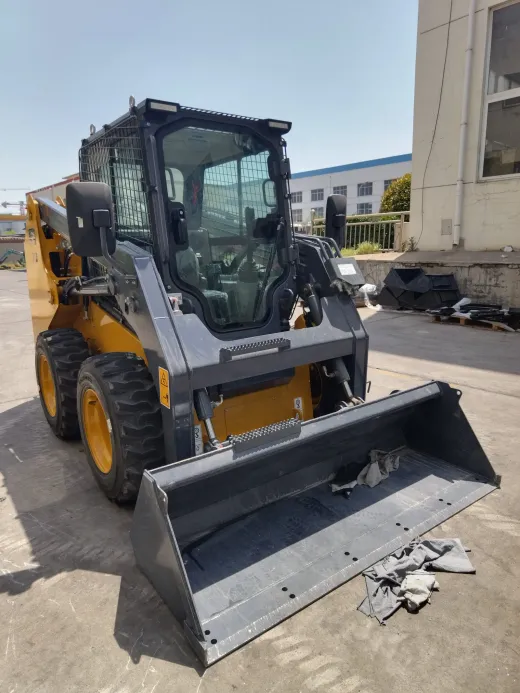
Skid Steer Weight: Operating Weight by Class, Mini to Large Frame
How much does a skid steer weigh? It depends on frame class, undercarriage, and whether you mean operating weight, shipping weight, or rated capacity. This guide breaks down skid steer weight from stand-on minis to large-frame machines, explains tracked vs wheeled weight differences, and covers what the number means for trailer selection and towing rules.
Read more →
Amphibious Mini Excavators: Working on Water, Marshes & Wetlands
A clear-headed guide to amphibious and floating mini excavators — how pontoon undercarriages work, where they outperform standard machines, their real limitations, and when wide rubber tracks are the smarter choice for wet and soft-ground work.
Read more → Articulating Loaders Explained: Compact & Mini Articulated Loaders
An articulating loader offers superior maneuverability in tight spaces where conventional machines struggle. This guide covers everything buyers need to know about small, compact, and mini articulated loaders — from how they work to what to look for when shopping.
Read more →