










Skid Steer Quick Coupler & Universal Quick Attach: The Complete Guide
2026-06-28
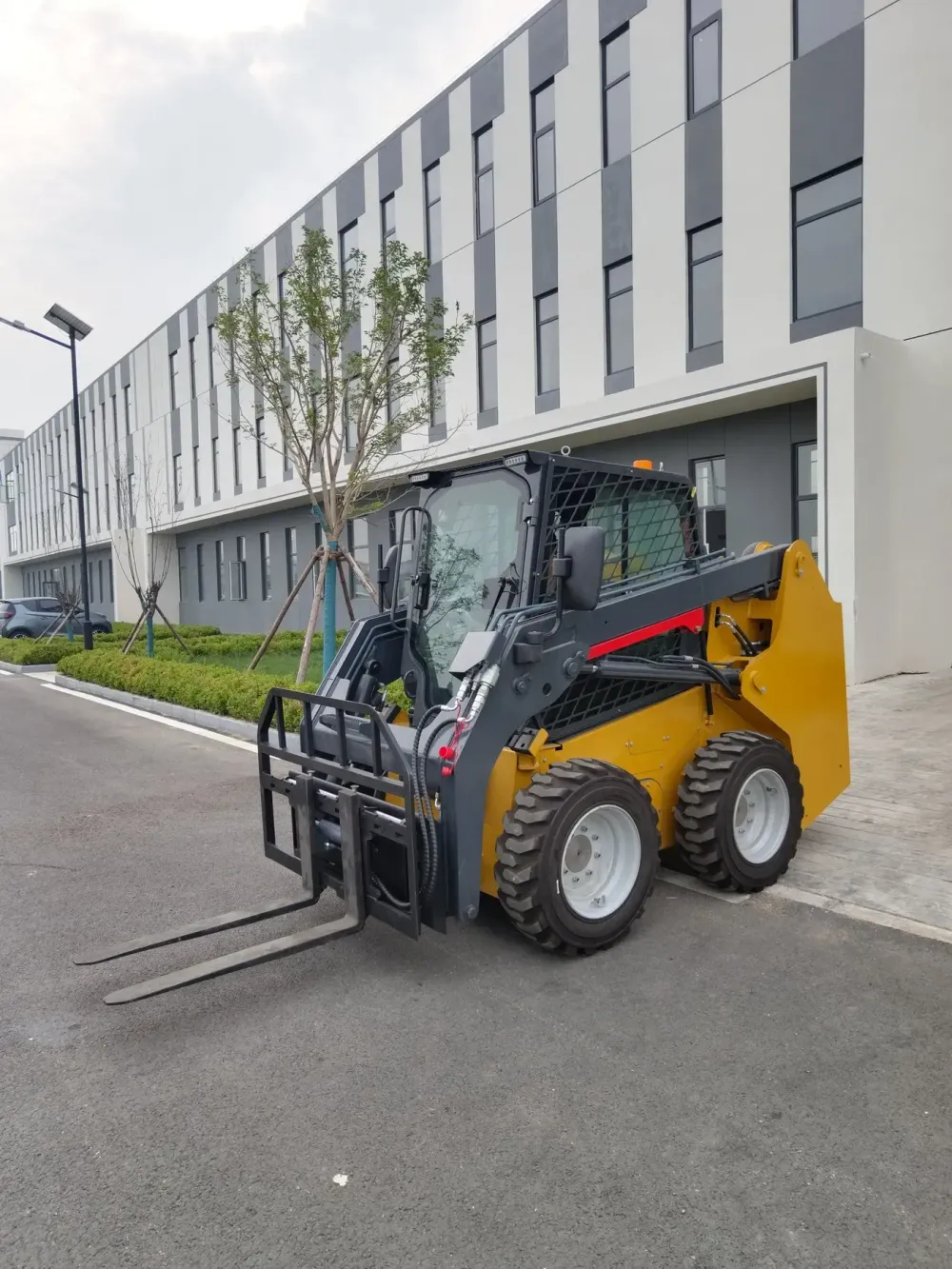
A skid steer quick coupler lets you swap attachments in seconds without leaving the cab — but not all couplers, plates, or adapter systems are compatible. This guide covers SSQA standards, hydraulic vs. manual quick attach, universal adapters, and how to choose the right system for your machine and attachments.
Swapping a bucket for forks used to mean crawling under the machine with a wrench. A skid steer quick coupler eliminates that entirely — attach or release in under 30 seconds, often without stepping out of the cab. But the market is split between manual plates, hydraulic power couplers, and a range of adapter plates that bridge incompatible standards. Getting the wrong combination means attachments that wobble, leak, or simply won't lock. This guide cuts through the confusion so you can spec the right system the first time.
What Is a Skid Steer Quick Coupler?
A skid steer quick attach coupler is the interface between a skid steer's loader arms and any attachment — bucket, forks, auger, brush cutter, and more. It consists of two halves: a receiver plate welded to the attachment and a coupler mechanism bolted to the loader arms. When the operator drives forward and engages the locking mechanism, the attachment clicks into place.
There are two core types:
- Manual quick attach: The operator exits the cab, hooks the top bar first, then throws a manual latch or inserts locking pins. Fast compared to bolt-on, but still requires ground contact.
- Hydraulic quick coupler / skid steer hydraulic quick attach: Locking and unlocking is done from inside the cab via a dedicated hydraulic circuit. True no-exit attachment changes. Preferred on job sites where operators change tools frequently.
- Electric quick coupler (skid steer electric quick coupler): Uses an electric actuator rather than hydraulic pressure to drive the locking pins. Increasingly common on compact electric skid steers where adding a separate hydraulic circuit is impractical.
All three types are available as bolt-on upgrades for most skid steer loaders.
SSQA: The Dominant Standard Explained
SSQA stands for Skid Steer Quick Attach — the de facto industry standard plate geometry used by the vast majority of North American manufacturers including Bobcat, Case, John Deere, Kubota, and Caterpillar. If an attachment is advertised as compatible with universal skid steer attachments or as a universal skid steer quick attach plate, it almost certainly uses SSQA geometry.
SSQA geometry defines the top hook bar position, lower pin pocket spacing, and overall plate width. Because the standard is widely adopted, SSQA attachments purchased from one brand will typically mount on any other SSQA-compatible machine without modification. This interoperability is the main reason SSQA dominates fleet purchasing decisions.
SSQA pallet forks are among the most commonly purchased attachment type in this standard — the fork carriage arrives with an SSQA receiver plate already welded on, ready to drop onto any compliant coupler. See our full range of skid steer attachments built to SSQA spec.
Universal Quick Attach vs. Proprietary Plates
The term skid steer universal quick attach is used loosely in the market. In practice it almost always means SSQA-compatible, but confirm before purchasing — some older Gehl, Mustang, and JCB machines used slightly different geometry that requires an adapter.
Proprietary plates (pre-2000 Bobcat T-bar, older Takeuchi, some European brands) can still access the SSQA ecosystem through a bolt-on conversion plate, but adding a plate behind the coupler reduces the reach of your loader arms by roughly 2–4 inches and increases the overall weight. On a small machine this matters; on a full-size unit it rarely affects performance.
When shopping for a skid steer hydraulic quick coupler, verify the receiver-side geometry separately from the locking mechanism — a hydraulic locking actuator can be machined to fit either SSQA or proprietary geometry.
Skid Steer to Mini Skid Steer Adapter
Full-size SSQA plates are too wide for compact track loaders and mini skid steers. If you own both a full-size machine and a compact unit, a skid steer to mini skid steer adapter lets you run a single attachment inventory across both platforms. The adapter bolts to the mini skid steer's coupler and presents a full SSQA receiver face outward, accepting any standard attachment.
Key points when evaluating adapters:
- Rated capacity: The adapter itself has a rated lift load. Never exceed the lower of the adapter rating and the mini machine's rated operating capacity.
- Hydraulic pass-through: If your attachments need auxiliary hydraulics (auger, mulcher, tilt bucket), confirm the adapter includes quick-connect hydraulic couplers in the right flow rating.
- Weight penalty: Adapters typically add 40–90 lb. On a mini skid steer with a 700–1,200 lb rated capacity, this is a meaningful reduction in usable payload.
A quick attach mini skid steer coupler designed natively for compact machines avoids the weight and reach penalty entirely — worth specifying at purchase if you know you'll be running varied attachments.
Hydraulic Quick Coupler: When the Upgrade Pays Off
A skid steer hydraulic quick attach system adds cost — typically $800–$2,500 depending on brand and whether the machine already has a dedicated auxiliary hydraulic circuit. The payback calculation is straightforward: if operators change attachments more than 3–4 times per day, or if the job site requires frequent moves between tight areas where exiting the cab is a safety risk, the productivity gain covers the cost within weeks.
Hydraulic couplers also reduce wear on the attachment receiver plate because the hydraulic lock applies consistent, calibrated clamping force — manual pins can be over- or under-tightened, leading to fretting and premature wear on the top hook bar.
Installation requires tapping into the machine's hydraulic system, so have a certified dealer or hydraulic shop perform the work. DIY installation that introduces air into the hydraulic circuit or uses undersized fittings creates safety hazards.
Choosing the Right Quick Attach System: Practical Checklist
Before ordering a coupler or adapter, work through these questions:
- What standard is your machine? Pull the loader arm spec sheet and confirm SSQA or proprietary. Most machines sold after 2005 are SSQA.
- What attachments do you run? If all attachments are SSQA — including SSQA pallet forks, buckets, and augers — a standard manual coupler is sufficient. Hydraulic is a convenience upgrade, not a compatibility requirement.
- How often do you change tools? High-frequency changes justify hydraulic. Occasional changes don't.
- Do you need a skid steer coupler for a mini machine? Factor in the adapter weight, hydraulic flow, and capacity derating before committing.
- What is the auxiliary hydraulic flow on your machine? Hydraulic coupler actuators typically need 3–5 GPM; verify your machine's auxiliary circuit can supply this without starving attachment functions.
- Electric or hydraulic actuation? If your machine is electric-powered or has limited hydraulic capacity, a skid steer electric quick coupler may be a cleaner integration.
Our engineering team can advise on compatibility for any attachment in our skid steer attachments lineup.
Maintenance and Safety
A quick coupler that is worn or improperly maintained is a drop hazard. An attachment that falls from operating height can cause fatal injuries. Follow these practices without exception:
- Inspect the top hook bar and lower pin pockets for wear before each shift. Replace when wear exceeds manufacturer tolerance (typically 3–5 mm).
- On hydraulic systems, check actuator pressure holding ability monthly. A coupler that drifts open under load must be taken out of service immediately.
- Grease all pivot points and the locking pin bores per the service interval — typically every 50 operating hours.
- After engaging, always perform a tug test: raise the loader arms 12 inches and pull back gently to confirm the attachment is seated and locked before operating.
- Never engage or release a hydraulic coupler with the attachment elevated. Lower fully to ground level first.
These rules apply regardless of whether you are using a manual, hydraulic, or electric quick attach system.
Browse our skid steer quick coupler range · — we reply within one business day.
Frequently asked questions
Are all skid steer quick attach plates the same?
No. The SSQA (Skid Steer Quick Attach) standard is dominant and covers most machines sold in North America since the mid-1990s, but some brands historically used proprietary geometry. Always confirm your machine's plate standard before purchasing attachments. If you have a proprietary coupler, adapter conversion plates are available to access the universal skid steer quick attach ecosystem.
What is the difference between a skid steer hydraulic quick coupler and a manual quick attach?
A hydraulic quick coupler locks and releases the attachment via hydraulic pressure from inside the cab — the operator never needs to exit. A manual quick attach requires the operator to step out and engage a physical latch or locking pins. Hydraulic systems are faster and safer in environments where exiting the cab frequently is impractical, but add cost and require a dedicated hydraulic circuit.
Will SSQA attachments fit my machine?
If your skid steer uses a standard SSQA coupler — which covers most Bobcat, Case, John Deere, Kubota, Cat, and New Holland machines — then any SSQA-spec attachment will fit directly. SSQA pallet forks, buckets, and auger drives are all built to this standard and are interchangeable across brands.
Can I use a skid steer to mini skid steer adapter safely?
Yes, when used within the rated capacity of both the adapter and the mini skid steer. The main considerations are the weight penalty (40–90 lb for most adapters), reduced rated operating capacity, and hydraulic flow compatibility if the attachment needs aux hydraulics. Never exceed the lower of the adapter's rated load and the machine's rated operating capacity.
How do I know if my skid steer quick coupler needs replacement?
Inspect the top hook bar for wear grooves deeper than 3–5 mm (or the manufacturer's stated tolerance), check that locking pins or hydraulic actuators hold under load without drifting, and look for cracks in the weld areas. If an attachment shifts, rattles, or cannot be locked fully, remove the machine from service until the coupler is repaired or replaced.
What is a skid steer electric quick coupler and when should I choose one?
An electric quick coupler uses an electric actuator to drive the locking pins instead of hydraulic pressure. It is the preferred choice for electric-powered skid steers where adding a separate hydraulic circuit for coupler actuation is impractical, or for machines with limited auxiliary hydraulic capacity. Performance is comparable to hydraulic couplers for most attachment-change cycles.
Do universal skid steer attachments work with all skid steer brands?
Universal skid steer attachments built to the SSQA standard will fit any machine with an SSQA-compatible coupler, regardless of brand. This covers the vast majority of machines on the market today. Always verify the coupler geometry on older machines or European-market units, as some may require an adapter plate.
Related articles
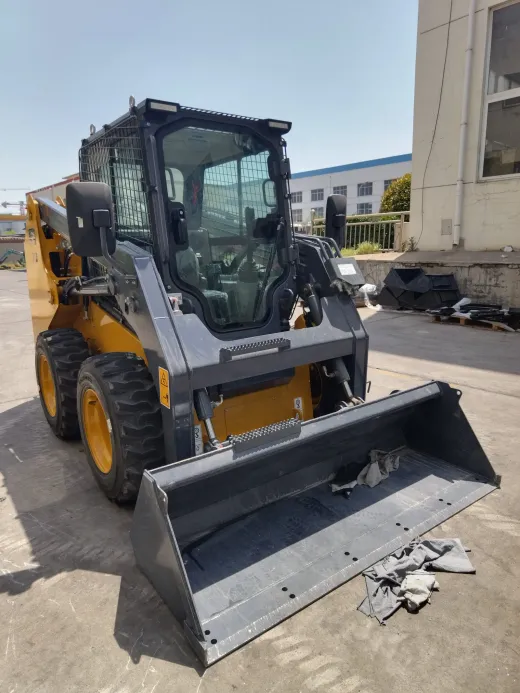
Skid Steer Weight: Operating Weight by Class, Mini to Large Frame
How much does a skid steer weigh? It depends on frame class, undercarriage, and whether you mean operating weight, shipping weight, or rated capacity. This guide breaks down skid steer weight from stand-on minis to large-frame machines, explains tracked vs wheeled weight differences, and covers what the number means for trailer selection and towing rules.
Read more →
Amphibious Mini Excavators: Working on Water, Marshes & Wetlands
A clear-headed guide to amphibious and floating mini excavators — how pontoon undercarriages work, where they outperform standard machines, their real limitations, and when wide rubber tracks are the smarter choice for wet and soft-ground work.
Read more → Articulating Loaders Explained: Compact & Mini Articulated Loaders
An articulating loader offers superior maneuverability in tight spaces where conventional machines struggle. This guide covers everything buyers need to know about small, compact, and mini articulated loaders — from how they work to what to look for when shopping.
Read more →