










Skid Steer Specifications: Sizes, Weight, Lift Capacity & Horsepower Compared
2026-06-28
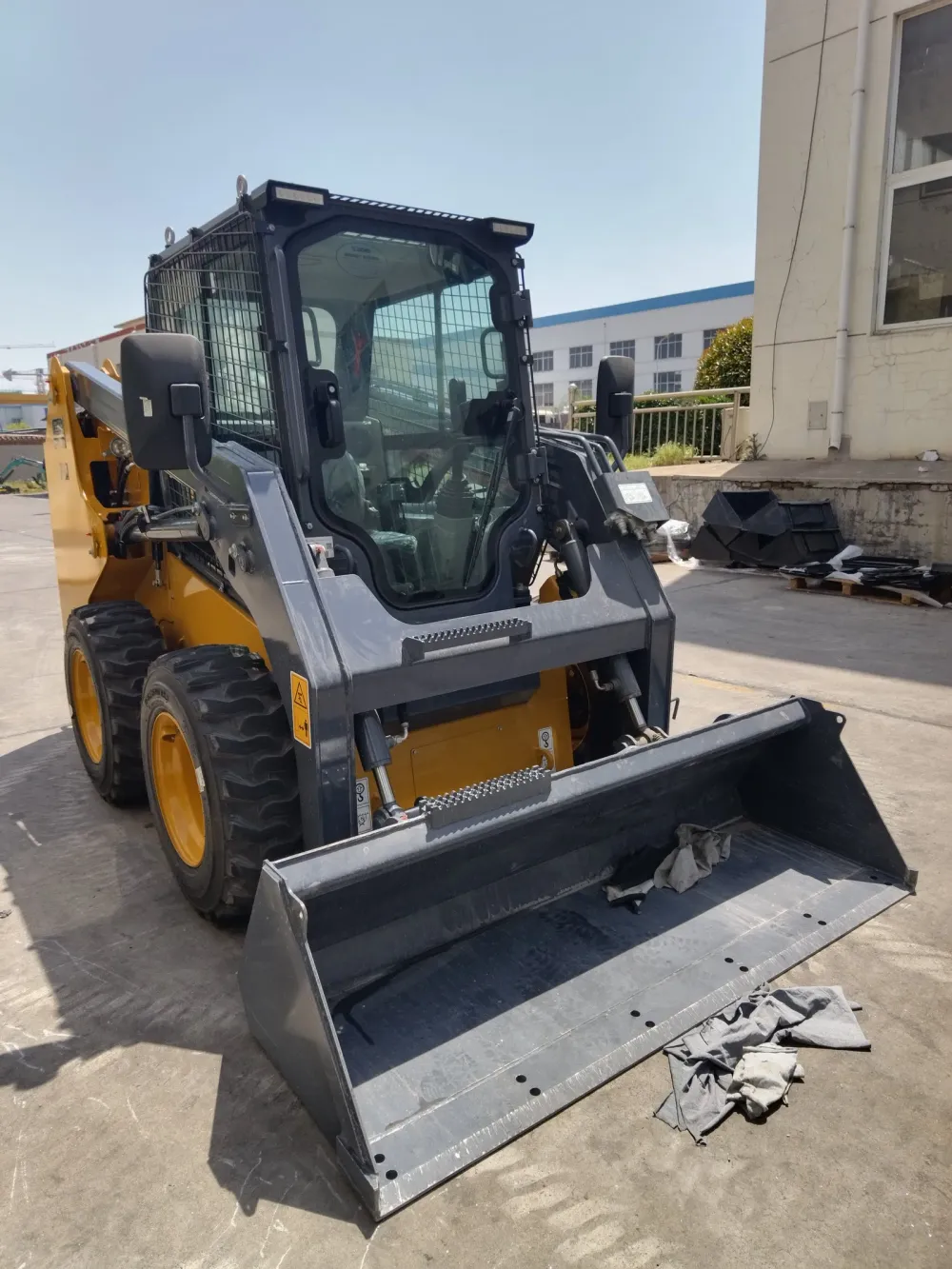
Understanding skid steer specifications is the difference between choosing a machine that fits your jobsite and one that gets stuck at the gate. This guide breaks down skid steer weight, lift capacity, horsepower, dimensions, and more so you can compare models with confidence and pick the right size for your operation.
When contractors, farmers, and site managers start shopping for a compact loader, the first question is rarely the brand — it's the numbers. How heavy is it? Will it fit through that gate? Can it lift that pallet? Skid steer specs answer all of those questions, and knowing how to read them separates buyers who get exactly what they need from those who order the wrong machine and spend months working around its limitations. This guide walks through every major specification category — skid steer dimensions, skid steer lift capacity, skid steer horsepower, operating weight, fuel tank size, and rated operating capacity — so you can make a genuinely informed purchase decision.
What Are Skid Steer Specifications and Why Do They Matter?
Skid steer specifications are the standardized measurements and performance ratings that describe what a machine can do, how big it is, and how much it weighs. Manufacturers publish these figures so buyers can compare skid steer models objectively without having to demo every unit side by side. The core specs fall into four buckets: physical size, weight, lifting performance, and powertrain output.
Skid loader specs matter for several practical reasons. First, transport: a machine that exceeds your trailer's payload rating is a liability before it ever touches dirt. Second, access: a loader that is too wide won't fit through a standard farm gate or an urban alley. Third, performance: undersizing a machine for a task means slow cycle times, excessive wear, and operator frustration. Getting the spec sheet right before you buy saves real money over the life of the machine.
- Physical dimensions determine where the machine can go and what attachments it can carry.
- Operating weight dictates transport requirements and ground pressure.
- Rated operating capacity (ROC) sets the safe payload limit for buckets and attachments.
- Horsepower drives hydraulic flow, travel speed, and breakout force.
Skid Steer Sizes: Small, Medium, and Large Frame Explained
The industry groups skid steer sizes into three broad frame classes — small, medium, and large — based on operating weight and lift capacity. Understanding which class fits your work is the starting point for any skid steer size chart comparison.
Small-frame skid loaders typically weigh between 2,000 and 5,500 lb (900–2,500 kg). Their compact footprint makes them popular for landscaping, interior demolition, residential construction, and any site where access is tight. Skid loader width on small-frame units usually falls between 60 and 66 inches (152–168 cm), letting them slip through standard single-door openings or narrow alleyways.
Medium-frame machines — the most common segment — run from roughly 5,500 to 8,000 lb (2,500–3,600 kg). This is where you find the bulk of skid loader sizes sold globally. They balance maneuverability with productive lift capacity, making them workhorses on general construction, utility, and agricultural sites.
Large-frame skid steers exceed 8,000 lb (3,600 kg) and compete directly with compact track loaders on tough terrain. Their higher operating weight delivers more traction and breakout force, but transport and access constraints become real considerations. If you need track-style ground pressure at a lower price point, compare the large-frame skid steer against our ZHONGMAI skid steer loader lineup before deciding.
- Small frame: 2,000–5,500 lb | 60–66 in wide | 35–60 hp
- Medium frame: 5,500–8,000 lb | 66–74 in wide | 60–90 hp
- Large frame: 8,000–12,000 lb | 74–84 in wide | 90–130+ hp
Skid Steer Weight: Operating Weight, Transport Weight & Ground Pressure
The skid steer loader weight figure you see on a spec sheet is almost always the operating weight — the machine ready to work with all fluids and a standard bucket, but no operator and no material in the bucket. That number matters for three reasons: trailer rating, bridge and floor load limits, and ground pressure.
Skid loader weight without attachments is sometimes called shipping weight and runs 200–600 lb lighter than operating weight depending on the machine. Always use operating weight when sizing your trailer or calculating axle loads for a job site with weight-restricted access roads.
The weight of a skid steer directly affects ground pressure. A heavier machine on the same footprint exerts more pressure per square inch, which matters on soft soil, turf, or finished concrete. If ground damage is a concern, a compact track loader — check our tracked skid steer options — distributes weight more evenly. Skid steer track weight (the weight of the undercarriage assembly on a CTL) adds 800–1,500 lb over a comparable wheeled unit but drops ground pressure significantly.
Typical operating weights by frame:
- Small frame: 3,500–5,500 lb (1,590–2,495 kg)
- Medium frame: 5,500–8,000 lb (2,495–3,630 kg)
- Large frame: 8,000–12,000 lb (3,630–5,440 kg)
For a deeper breakdown of operating weight versus shipping weight, tracked versus wheeled weight differences, and how weight affects trailer and towing requirements, see our dedicated skid steer weight guide.
Skid Steer Dimensions: Width, Height & Length
Skid steer dimensions cover three axes — width, overall height (boom lowered), and length from bucket cutting edge to rear counterweight. All three matter for jobsite access, but skid steer width is the spec that most often determines whether a machine can enter a space at all.
The width of a skid steer is measured at the widest point, which is typically the tires or tracks — not the cab. On a small-frame unit, overall width can be as narrow as 58 inches. Medium-frame machines commonly measure 66–72 inches wide, and large-frame units run 72–84 inches. Add 4–8 inches if you're running over-the-tire tracks or wide-bucket attachments.
Skid steer height with the boom lowered is typically 78–88 inches for most wheeled models. This matters for work inside buildings, under low-clearance structures, or when loading onto a trailer beneath an overhead obstacle. Always check the spec sheet for height with ROPS/cab since enclosed cab models add several inches over open-ROPS configurations.
Skid loader dimensions for overall length vary by boom geometry (radial vs. vertical lift) and counterweight design, but most machines measure 120–148 inches (305–376 cm) bumper to cutting edge with a standard bucket. Vertical-lift machines tend to be slightly longer because the linkage geometry extends further rearward at full height.
- Overall width: 58–84 in depending on frame class
- Overall height (boom down): 78–92 in with cab
- Overall length (with bucket): 120–148 in
- Wheelbase: 38–48 in (affects tip-back angle on slopes)
Skid Steer Lift Capacity & Rated Operating Capacity (ROC)
Skid steer lift capacity is defined by the Society of Automotive Engineers (SAE) standard J818 as 50% of the static tipping load — this is the skid steer ROC, or rated operating capacity. A machine with a 4,000 lb static tip load has a 2,000 lb ROC. Never exceed the ROC without understanding the stability implications, and be aware that lift capacity changes as the boom rises — the spec sheet figure is measured at the rated height (typically 200–400 mm below maximum lift height).
Skid steer capacity numbers you'll commonly see:
- Small frame: 700–1,400 lb ROC (315–635 kg)
- Medium frame: 1,400–2,200 lb ROC (635–1,000 kg)
- Large frame: 2,200–3,600 lb ROC (1,000–1,630 kg)
When evaluating skid steer specifications for a specific task — say, moving concrete blocks or loading a dump truck — calculate your average bucket load first, then add 15–20% margin and look for machines whose ROC exceeds that number. Consistently operating at or above ROC accelerates hydraulic wear, stresses the boom linkage, and is a safety hazard.
Vertical-lift machines generally reach their rated capacity at greater heights than radial-lift machines, making them preferable for loading trucks or hoppers. Radial-lift units reach peak capacity closer to the ground and are better suited for digging, grading, and low-dump applications. See our skid steer attachments page for bucket sizing guidance that matches these capacity tiers.
Skid Steer Horsepower & Fuel Tank Size
Skid steer horsepower is the gross engine output rating — not the net power delivered to the hydraulic system or drive motors. A 50 hp skid steer is a capable small-to-medium-frame machine suitable for landscaping, light grading, snow removal, and general site cleanup. Mid-range machines run 60–80 hp and handle the bulk of commercial construction work. High-output large-frame units reach 100–130 hp and are suited to heavy material handling, forestry mulching, and high-flow hydraulic attachments.
More horsepower means more hydraulic flow — critical if you plan to run high-demand attachments like cold planers, mulchers, or augers. Check the auxiliary hydraulic flow spec (measured in gallons per minute, or GPM) alongside horsepower. A 74 hp machine might offer standard flow at 20–24 GPM or high-flow at 35–45 GPM depending on configuration. Match the attachment's required flow to the machine's available flow before purchasing.
Skid steer fuel tank size affects how long you can run between refuels — a real productivity consideration on remote sites. Small-frame machines typically carry 15–20 gallons (57–76 liters). Medium-frame units run 22–30 gallons (83–114 liters). Large-frame machines may hold 30–40 gallons (114–151 liters), supporting a full shift with high-demand attachments running continuously.
- 50 hp small frame: ~15–20 gal fuel tank, ~6–8 hrs full-load runtime
- 74 hp medium frame: ~22–28 gal fuel tank, ~7–9 hrs runtime
- 100+ hp large frame: ~30–40 gal fuel tank, ~7–10 hrs runtime
Diesel engines dominate the skid steer market because they deliver peak torque at low RPM — essential for pushing through dense material or breaking out frozen ground. Electric skid steer platforms are emerging for indoor and emissions-restricted sites; compare them against our electric material handling lineup if zero-emission operation is a priority.
How to Use a Skid Steer Size Chart to Pick the Right Machine
A skid steer size chart is only useful if you come to it with three numbers already in hand: the widest access point on your jobsite, your typical payload per cycle, and your peak attachment flow requirement. Work backward from those constraints to a frame class, then compare individual skid steer models within that class on fuel efficiency, dealer support, and parts availability.
Step one: measure your tightest access point — a gate, doorway, or ramp — and subtract 6 inches for safe clearance. That gives you your maximum allowable skid loader width. Step two: calculate average cycle payload and apply the ROC margin described above. Step three: list your planned attachments and note the highest flow requirement among them. Now you have three hard filters. Any machine that fails one of them is disqualified regardless of price.
For buyers comparing across brands, note that published skid steer specifications sometimes use different SAE measurement standards or include optional counterweights in the operating weight figure. Always request the full spec sheet and verify which SAE standard was used for ROC (J818 vs. the older 35% tip-load standard used by some manufacturers).
ZHONGMAI's skid steer loader range covers small and medium frame classes with standardized attachment interfaces compatible with most North American and European quick-coupler systems. If your application involves heavy earthmoving alongside the skid steer, our backhoe loader and mini excavator lines are worth comparing for cycle time and cost per yard moved.
Browse our skid steer specs range · — we reply within one business day.
Frequently asked questions
What is the average weight of a skid steer loader?
The average skid steer loader weight depends on frame class. Small-frame machines typically weigh 3,500–5,500 lb (1,590–2,495 kg) in operating condition. Medium-frame units — the most common size sold — run 5,500–8,000 lb (2,495–3,630 kg). Large-frame skid steers exceed 8,000 lb and can reach 12,000 lb with optional counterweights. Always confirm whether the published weight is operating weight (with fluids and standard bucket) or shipping weight, as the two figures can differ by 200–600 lb.
How wide is a typical skid steer?
The width of a skid steer varies by frame class. Small-frame machines measure 58–66 inches wide at the tires. Medium-frame units run 66–74 inches. Large-frame machines measure 74–84 inches. If you're running over-the-tire rubber tracks or wide specialty buckets, add 4–8 inches to the base machine width. Always measure your tightest access point and compare it against the machine's overall width — not just the cab width, which is narrower.
What does skid steer ROC mean, and how is it calculated?
ROC stands for Rated Operating Capacity, which is the maximum safe working load as defined by SAE standard J818. It equals 50% of the machine's static tipping load measured with the boom at its rated lift height. For example, a machine with a 4,000 lb static tip load has a 2,000 lb ROC. Always operate within the published ROC to avoid stability hazards and premature wear on the boom linkage and hydraulic cylinders. Note that some older spec sheets use 35% of tipping load — confirm which standard applies before comparing models.
How much horsepower do I need in a skid steer?
A 50 hp skid steer handles light-duty tasks like landscaping, snow removal, and general site cleanup. Most commercial construction and agricultural applications are well served by machines in the 60–80 hp range. If you plan to run high-demand hydraulic attachments — mulchers, cold planers, large augers — look for machines at 80–100+ hp with high-flow hydraulic options delivering 35–45 GPM. Match the attachment's required flow to the machine's available flow; horsepower alone does not guarantee compatibility.
What is a typical skid steer fuel tank size?
Skid steer fuel tank size scales with machine class. Small-frame units typically carry 15–20 gallons (57–76 liters), supporting roughly 6–8 hours of operation under full load. Medium-frame machines hold 22–30 gallons (83–114 liters) for a comfortable full shift. Large-frame units may carry 30–40 gallons (114–151 liters) to sustain extended operation with high-flow attachments running. Remote or off-grid sites with limited fuel access should prioritize larger tank capacity to minimize downtime.
What is the difference between radial lift and vertical lift skid steer specs?
Radial-lift and vertical-lift refer to the boom path geometry, which affects where the machine reaches its rated lift capacity. Radial-lift machines arc the bucket outward as the boom rises, reaching peak capacity and breakout force close to the ground — ideal for digging, grading, and dumping into low containers. Vertical-lift machines keep the bucket path nearly straight up, maintaining rated capacity at greater heights — better for loading trucks, filling hoppers, or stacking pallets. Vertical-lift machines tend to be slightly longer overall due to the extended linkage geometry.
How do skid steer dimensions affect attachment compatibility?
Attachment compatibility depends on three dimensional factors: the quick-coupler plate size (universal vs. manufacturer-specific), the auxiliary hydraulic flow and pressure ratings, and the machine's operating weight relative to the attachment's recommended carrier class. Wider machines often have larger coupler plates and higher flow circuits. Always cross-reference the attachment manufacturer's minimum and maximum carrier weight range against your machine's operating weight, and confirm that the hydraulic flow and pressure your machine delivers match what the attachment requires.
Related articles
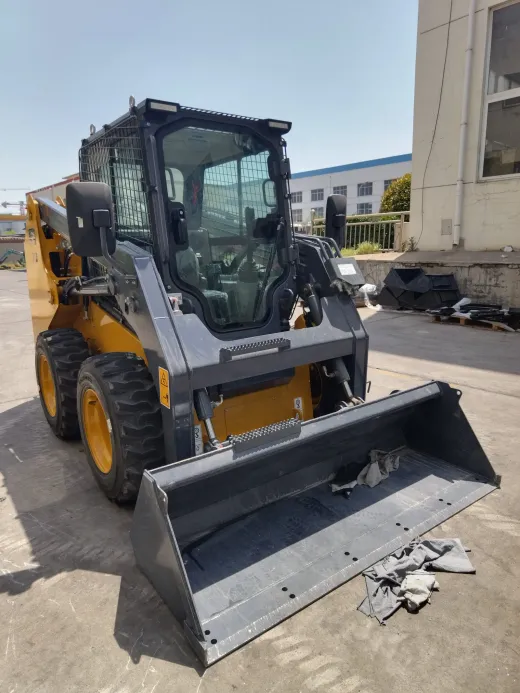
Skid Steer Weight: Operating Weight by Class, Mini to Large Frame
How much does a skid steer weigh? It depends on frame class, undercarriage, and whether you mean operating weight, shipping weight, or rated capacity. This guide breaks down skid steer weight from stand-on minis to large-frame machines, explains tracked vs wheeled weight differences, and covers what the number means for trailer selection and towing rules.
Read more →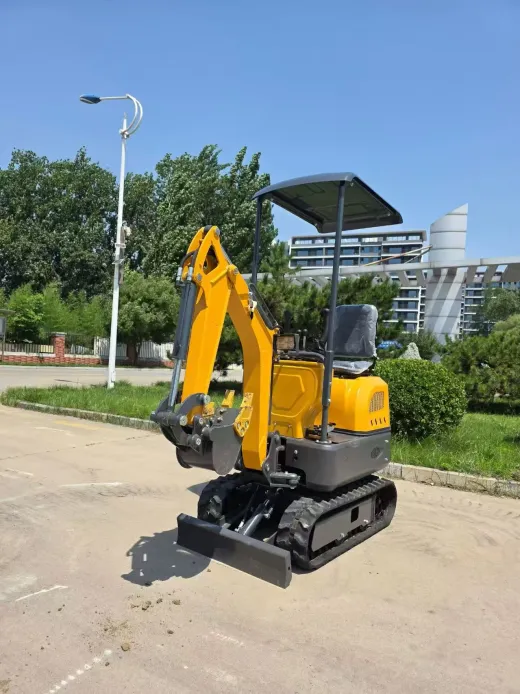
Amphibious Mini Excavators: Working on Water, Marshes & Wetlands
A clear-headed guide to amphibious and floating mini excavators — how pontoon undercarriages work, where they outperform standard machines, their real limitations, and when wide rubber tracks are the smarter choice for wet and soft-ground work.
Read more → Articulating Loaders Explained: Compact & Mini Articulated Loaders
An articulating loader offers superior maneuverability in tight spaces where conventional machines struggle. This guide covers everything buyers need to know about small, compact, and mini articulated loaders — from how they work to what to look for when shopping.
Read more →