










Skid Steer Winch Attachment: Pull Stumps, Logs & Heavy Loads
2026-06-28
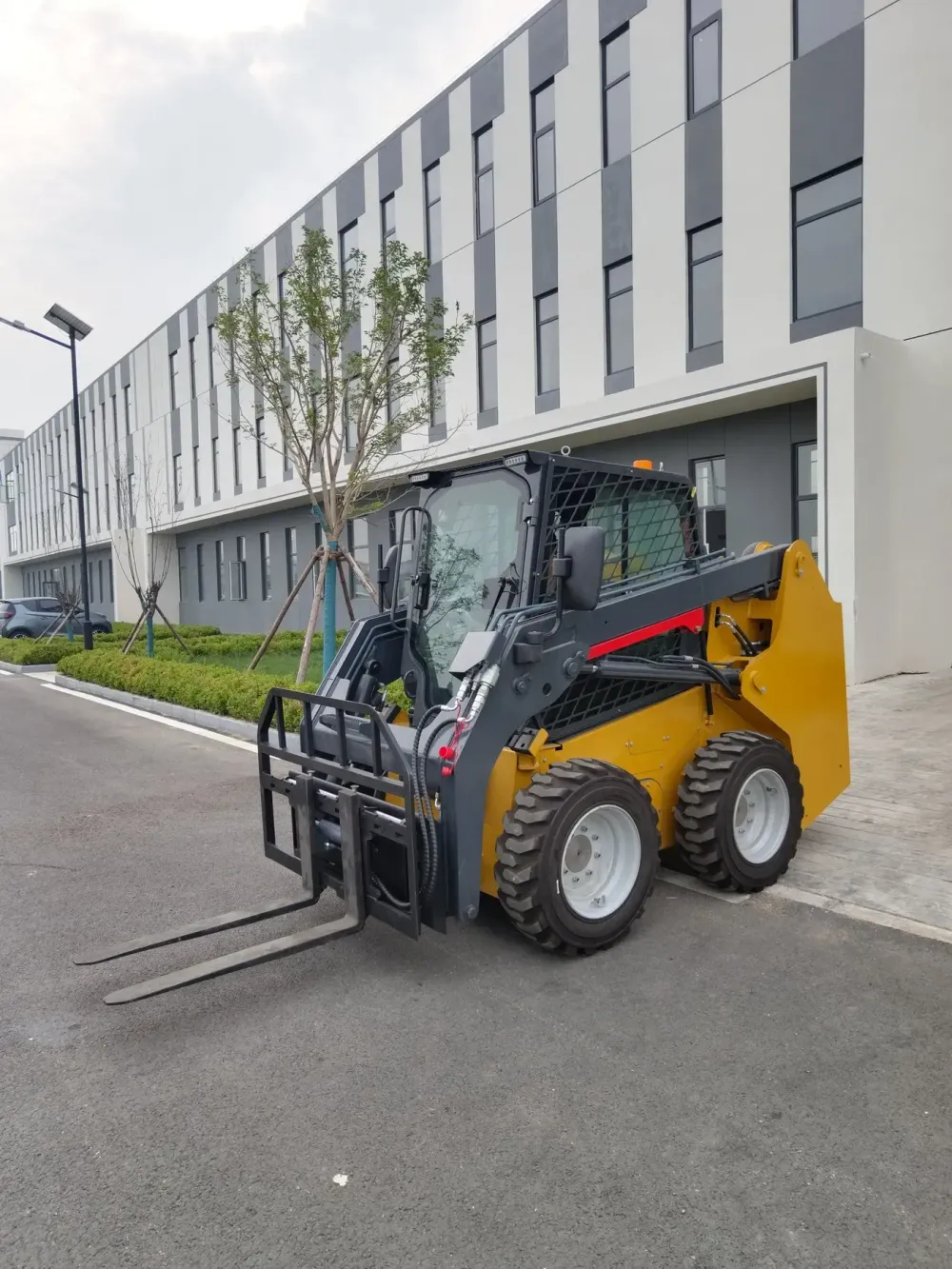
Everything you need to know before buying a skid steer winch attachment — how winch boxes work, what pulling capacity you actually need, logging and land-clearing use cases, and how to compare models including the Titan Attachments 7.5 ton skid steer logging winch.
A skid steer winch attachment turns your loader into a serious pulling machine. Instead of driving directly into a load — a buried stump, a downed log, a stuck vehicle — you anchor the skid steer and let the winch do the work. The mechanical advantage is enormous, the operator stays well clear of the load, and the machine itself isn't at risk of tipping or bogging down. If you do any land clearing, logging, or recovery work, a winch box belongs on your attachment list.
This guide covers how these attachments work, what specifications actually matter, which applications they suit, and what to check before you buy. We also look at how the skid steer attachment line-up fits together so you can plan a versatile, job-ready setup rather than a single-purpose purchase.
What a winch box for skid steer actually does
A winch box for skid steer is a self-contained unit that mounts to your machine's universal quick-attach plate. Inside the box is a hydraulic winch drum, a length of wire rope or synthetic line, a fairlead, and the hydraulic motor that drives the drum. The loader's auxiliary hydraulic circuit powers the motor — the same circuit that drives augers, sweepers, and other hydraulically driven tools.
The key difference between a winch attachment and simply pushing or carrying a load is directional flexibility. Once the winch line is anchored to a tree, a deadman, or a fixed point, you can pull from any angle the line allows. You can also control the load carefully on a slope — paying out line slowly to lower a log or a boulder rather than letting it roll free. That level of control is genuinely difficult to replicate with a bucket or a grapple alone.
Most winch boxes for skid steers are rated by line pull — the force the drum can exert at the outermost wrap of rope. Common ratings run from around 4 tons at the entry level up to 7.5 tons or more for heavy logging work. Some designs also offer a free-spool mode so you can pull line out by hand when positioning without burning hydraulic flow.
Primary use cases: logging, land clearing, and recovery
The most common reason buyers search for a winch attachment for skid steer is logging. Skidding logs from the cut site to the landing is hard on a machine if you're dragging them with a chain hooked to the quick-attach frame. A winch gives you controlled line speed, the ability to stop mid-pull, and a proper anchor point at the front of the machine rather than a jury-rigged chain setup. Pair it with a skid steer log grapple with winch capability — either as a combined unit or as a grapple and winch working together — and you have a genuinely efficient small-scale logging setup that one operator can run safely.
Land clearing is the second major application. Pulling stumps, dragging brush piles, tensioning cables to fell leaning trees in a controlled direction — all of these tasks suit a winch far better than raw machine force. A stump that would tip or spin a skid steer trying to push under it will often come out cleanly when the winch pulls it straight up and back.
Recovery is the third use. If you operate a skid steer loader in soft ground, muddy fields, or off-road sites, there will come a day when the machine — or another machine on site — needs to be pulled out. A winch attachment gives you a self-recovery option that doesn't require a second machine or a tow truck.
Choosing the right pulling capacity
Pulling capacity is the number buyers focus on first, and rightly so — but the rated line pull figure needs a little context. Winch ratings are typically measured at the innermost layer of rope on the drum, where the mechanical advantage is greatest. As rope pays out and builds up on the drum, the effective pull drops. A unit rated at 7.5 tons with a full drum may pull considerably less with half a drum of rope out. Check whether the specification is for the first layer or the last.
For light land clearing and occasional stump pulling on a compact machine, a 4-to-5-ton rating is usually adequate. For production logging with large-diameter timber, you want 6 tons or more. The Titan Attachments 7.5 ton skid steer logging winch sits at the top of this range and is a frequently referenced benchmark in the North American market — useful to know when comparing specifications, even if you're sourcing from elsewhere.
Match pulling capacity to the machine's operating weight and hydraulic output as well. A winch pulling harder than the skid steer's own traction rating just digs the machine in rather than moving the load. If the machine weighs 3,500 kg, a winch rated beyond that is only useful when the machine itself is anchored to a fixed point.
Hydraulic flow requirements and compatibility
Before you buy any skid steer winch attachment for sale, check your machine's auxiliary hydraulic flow against the attachment's requirement. Winch motors are not all the same — a high-torque winch pulling heavy loads needs adequate flow to maintain line speed under tension. Most skid steer winch attachments operate comfortably on standard auxiliary flow (around 20–30 L/min / 5–8 GPM), but heavy-duty units may need high-flow circuits (60+ L/min / 16+ GPM).
Also confirm the coupler plate standard. Universal skid steer quick-attach plates are genuinely universal in most markets, but some machines use proprietary plates that require an adapter. This is a detail that causes expensive delays if it's overlooked at the time of order.
Finally, check the hydraulic hose routing on the winch box. Some designs route hoses in ways that put them at risk of abrasion from rope or debris during logging work. A good winch box protects its hoses, keeps the fairlead clear of the drum housing, and allows the operator to engage and disengage the free-spool without reaching under the machine.
Rope choice: wire versus synthetic
Wire rope is the traditional choice for logging winches. It's abrasion-resistant, handles heat reasonably well, and is cheap to replace. The downside is that a snapped wire rope stores enormous energy and recoils dangerously. Operators working near the line need to treat wire rope with respect and always use a rope dampener when under tension.
Synthetic winch rope (UHMWPE fibre) is increasingly available on agricultural and land-clearing winch attachments. It's lighter, floats if dropped in water, and when it breaks it falls to the ground rather than recoiling — a meaningful safety advantage. The trade-off is that synthetic rope is more vulnerable to abrasion from rough edges and requires more care when spooling to avoid kinks that weaken the fibres.
For most buyers, the choice comes down to the working environment. Logging in rough slash where the rope drags over bark and rock favours wire. Recovery work and land clearing where operator proximity to the line is more frequent is a stronger case for synthetic. Either way, inspect the rope regularly and replace it before it shows significant wear — the rope is the last thing to cut corners on.
Buying considerations: new versus used, and what to check
Buyers looking at a skid steer winch attachment for sale will find both new units from attachment manufacturers and used winch boxes from equipment dealers and auction sites. New units come with a known service history and a warranty; used units can represent genuine value if they've been maintained and the drum, motor, and rope are in good condition.
When inspecting a used winch box, check the rope first — wire rope that shows broken strands, kinking, or bird-caging needs to be replaced before the unit goes into service. Next, run the winch through its full range of motion under no load and listen for irregular motor noise or hesitation. Check the quick-attach mounting plate for cracks at the weld points, which are the highest-stress area on any skid steer attachment. Hydraulic fittings should be clean, undamaged, and free of weeping seals.
Our full range of skid steer attachments — including grapples, augers, and buckets that complement a winch in a land-clearing or logging setup — is available with factory direct pricing and international shipping. A winch box is most useful as part of a planned attachment package rather than a standalone purchase.
Integrating the winch into a complete skid steer attachment setup
A winch attachment works best when it's part of a broader tool kit rather than the only attachment on the machine. In a logging setup, the typical complement is a winch for skidding, a log grapple for loading and sorting, and a general-purpose bucket for site cleanup. In land clearing, add an auger for post holes or tree planting after clearing, and consider a brush grapple for managing the debris the winch pulls in.
The quick-attach plate system on a modern skid steer loader is designed for exactly this kind of rapid changeover. A single operator can swap from winch to grapple to bucket in minutes without leaving the cab on machines equipped with a hydraulic coupler. That flexibility is one of the core arguments for building out an attachment library rather than owning multiple single-purpose machines.
When you're speccing a new machine or a new attachment package, think about which jobs occur together most often and make sure the hydraulic configuration supports all of them. A winch and a grapple running alternately on the same circuit is straightforward; a winch and a high-flow mulcher on the same machine is a question worth asking your supplier about before you commit to a configuration.
Browse our skid steer winch attachment range · — we reply within one business day.
Frequently asked questions
What is a skid steer winch attachment used for?
A skid steer winch attachment is used to pull heavy loads that the machine cannot safely push or carry directly. Common applications include skidding logs during logging operations, pulling tree stumps in land clearing, dragging brush piles, and recovering stuck vehicles or equipment. The winch allows the operator to anchor the skid steer and apply controlled pulling force from a safe distance.
How much pulling capacity do I need in a winch box for skid steer?
For light land clearing and occasional stump pulling, a 4-to-5-ton line pull rating is generally sufficient. For production logging with large timber, a 6-to-7.5-ton unit is more appropriate. Note that winch ratings are typically stated at the innermost drum layer — actual pull decreases as rope pays out, so factor in a safety margin relative to the heaviest loads you expect to pull.
Will any winch attachment for skid steer fit my machine?
Most skid steer winch attachments use the universal quick-attach plate standard, which fits the majority of skid steer loaders on the market. However, some manufacturers use proprietary coupler systems that require an adapter. Always confirm the coupler standard before purchasing. Also verify that your machine's auxiliary hydraulic flow meets the winch motor's minimum requirement, and check whether the winch needs standard or high-flow hydraulics.
What is the difference between a skid steer log grapple with winch and a standalone winch box?
A combined skid steer log grapple with winch integrates both functions into a single attachment — the grapple grabs and sorts logs while the winch provides pulling capacity for skidding. A standalone winch box only provides line pull and must be swapped out for a separate grapple when you need to handle logs by grip. The combined unit reduces attachment changes in a logging operation; the standalone winch is more versatile across different job types where you swap attachments regularly.
Is synthetic rope or wire rope better for a skid steer winch?
Wire rope is more abrasion-resistant and suits logging environments where the rope drags across bark and rough ground. Synthetic rope (UHMWPE) is lighter and safer to be near when under tension because it falls rather than recoils when it breaks. For recovery and land clearing where operators work close to the line, synthetic rope is the safer choice. For production logging in harsh conditions, wire rope is the more durable option.
How does the Titan Attachments 7.5 ton skid steer logging winch compare to other models?
The Titan Attachments 7.5 ton skid steer logging winch is a commonly referenced mid-to-heavy-duty option in the North American market and is frequently used as a benchmark when buyers compare specifications. At 7.5 tons of rated line pull it sits at the upper end of the capacity range for skid steer winch attachments. When comparing it to other units, check whether competing models state their pull rating at the first layer or the last layer of rope, confirm hydraulic flow requirements, and compare warranty terms and parts availability in your region.
Where can I find a skid steer winch attachment for sale?
Skid steer winch attachments are available from attachment specialists, equipment dealers, and factory-direct suppliers. When evaluating options, compare rated line pull, hydraulic flow requirements, rope type and length, quick-attach plate compatibility, and warranty terms. Factory-direct purchasing from manufacturers like ZHONGMAI can offer competitive pricing with international shipping, particularly for buyers who are also equipping a new machine or building out a broader attachment package.
Related articles
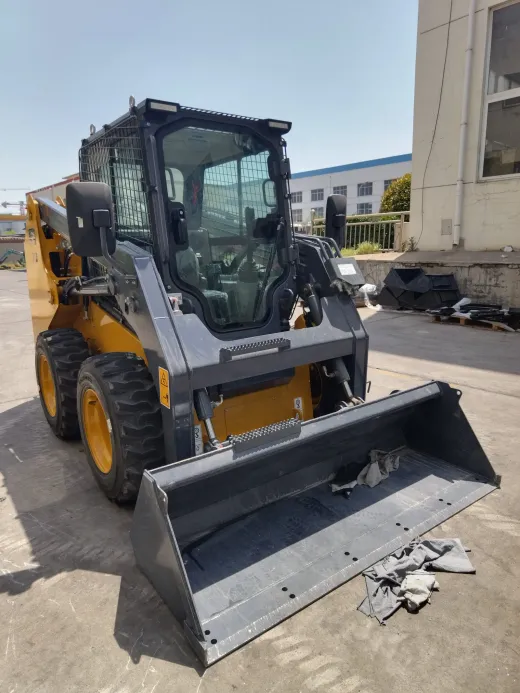
Skid Steer Weight: Operating Weight by Class, Mini to Large Frame
How much does a skid steer weigh? It depends on frame class, undercarriage, and whether you mean operating weight, shipping weight, or rated capacity. This guide breaks down skid steer weight from stand-on minis to large-frame machines, explains tracked vs wheeled weight differences, and covers what the number means for trailer selection and towing rules.
Read more →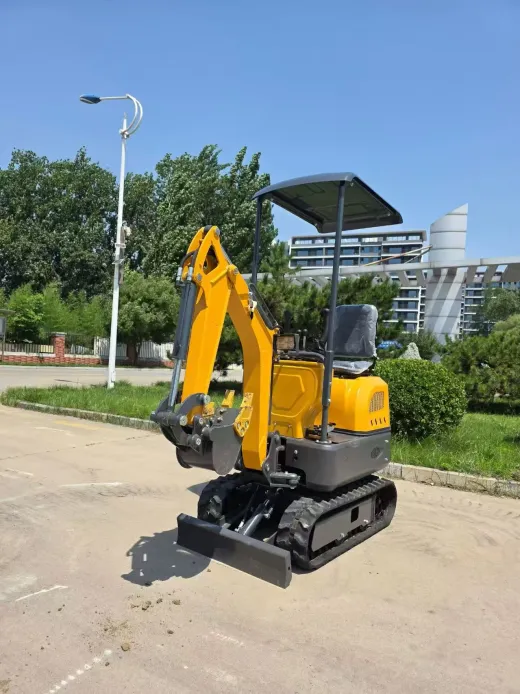
Amphibious Mini Excavators: Working on Water, Marshes & Wetlands
A clear-headed guide to amphibious and floating mini excavators — how pontoon undercarriages work, where they outperform standard machines, their real limitations, and when wide rubber tracks are the smarter choice for wet and soft-ground work.
Read more → Articulating Loaders Explained: Compact & Mini Articulated Loaders
An articulating loader offers superior maneuverability in tight spaces where conventional machines struggle. This guide covers everything buyers need to know about small, compact, and mini articulated loaders — from how they work to what to look for when shopping.
Read more →