










Skid Steer Snow Attachments: Blowers, Plows, Pushers & Snow Tracks
2026-06-28
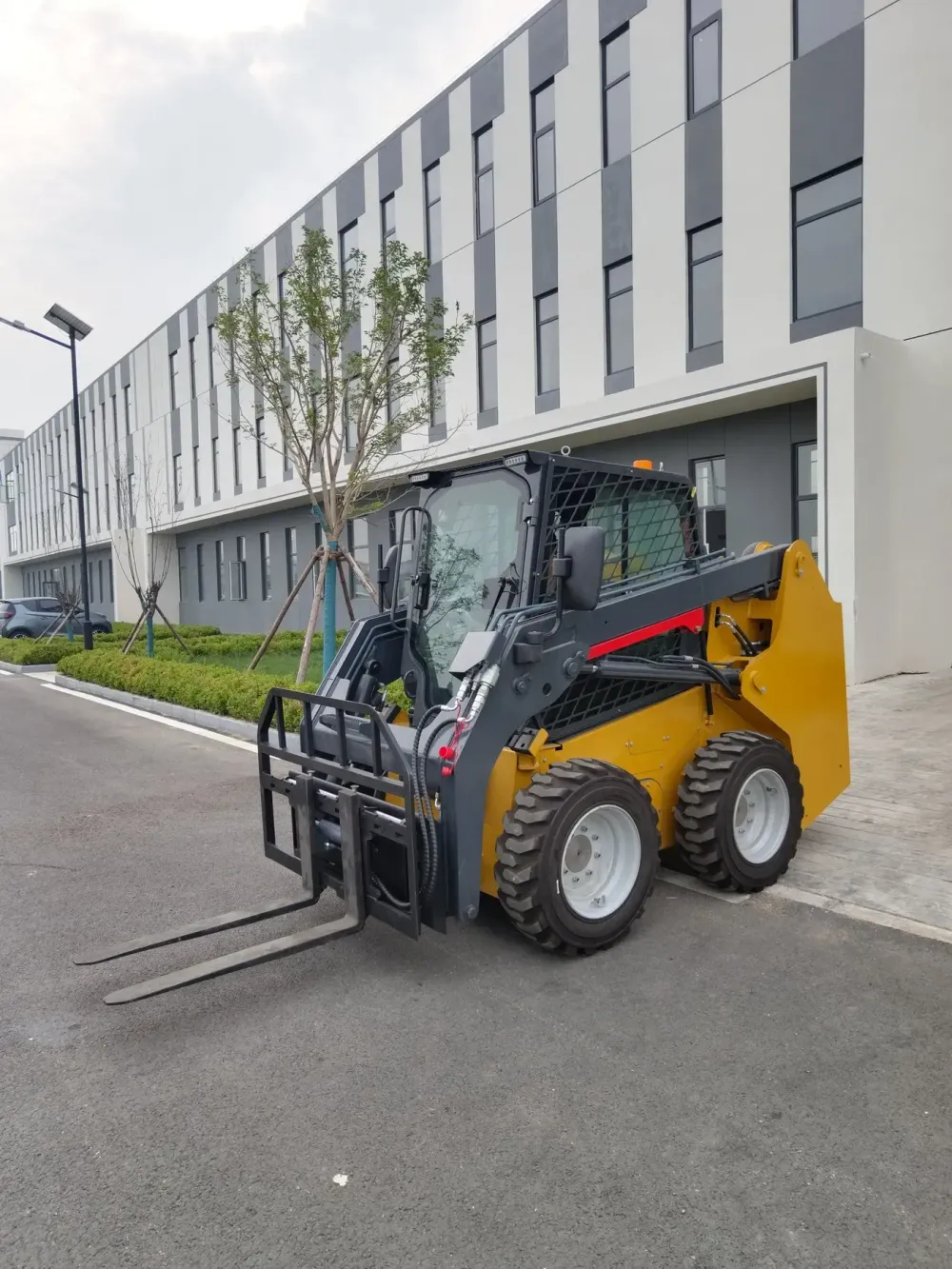
Choosing the right skid steer snow attachments can mean the difference between a profitable winter season and a machine sitting idle. This guide covers every major attachment type — blowers, plows, pushers, and snow tracks — so you can match the right tool to your job site conditions.
Winter work is some of the most time-sensitive work a contractor or property manager faces. When snow falls overnight, parking lots, driveways, loading docks, and access roads need to be clear before the workday begins. A skid steer loader is one of the most versatile machines you can own for this job — compact enough to work in tight spaces, powerful enough to move serious volume, and compatible with a wide range of skid steer snow attachments that let you tackle any condition. Whether you are running a full-size machine on a commercial lot or a compact unit in a residential neighborhood, understanding each attachment type will help you invest wisely and work efficiently all season long.
Types of Skid Steer Snow Attachments: An Overview
The snow skid steer market has expanded dramatically over the past decade. Manufacturers now offer attachments for nearly every snow-removal scenario, from light dustings to wet, heavy accumulation. The four main categories are snow blowers, snow plows and blades, snow pushers and boxes, and specialty items like ice scrapers and snow tracks. Each has a distinct performance profile, and many operators run two or three attachment types to cover different conditions throughout the season.
- Snow blowers — throw snow a long distance using an auger and impeller; best for deep, heavy snow where you have no place to windrow
- Snow plows and blades — push or angle snow to the side; fast and simple, ideal for light to moderate accumulation
- Snow pushers and boxes — contain snow in a box and carry it to a dump zone; maximize efficiency on large, open surfaces
- Snow tracks and ice scrapers — improve traction or clean compacted ice from hard surfaces
The right choice depends on your machine's hydraulic flow, the surface type, the typical storm size in your region, and how much space you have to relocate snow. Browse ZHONGMAI's full skid steer attachment lineup to see compatible options for your machine.
Skid Steer Snow Blower Attachments: High-Flow vs. Standard Flow
A skid steer snow blower attachment is the go-to tool when snow depth exceeds what a plow or pusher can handle, or when there is simply no room to windrow. The auger bites into the snowpack and feeds it to the impeller, which throws it up to 40 feet away. This makes a skid steer mounted snow blower invaluable for parking lots surrounded by curbs, narrow lanes, and anywhere a windrow would block traffic or access.
The most important spec when shopping for a hydraulic snow blower for skid steer use is the machine's hydraulic flow rating. Attachments split into two main classes:
- Standard flow skid steer snow blower — operates at 15–25 GPM; suits most compact and mid-size skid steers without a high-flow kit
- High-flow snow blower — requires 25–40+ GPM; delivers faster auger and impeller speed, handles wetter and heavier snow without bogging down
If your machine does not have a high-flow hydraulic system, a standard flow snow blower for skid steer or a low flow skid steer snow blower is the correct match — running an oversized blower on a low-flow machine will result in sluggish performance and potential hydraulic overheating. Always verify GPM and PSI ratings before purchasing.
Width is the next consideration. A 72 inch skid steer snow blower is the most popular size for commercial work — wide enough to clear a full lane in fewer passes, yet compatible with most full-size skid steers. Operators with larger machines and open sites often step up to an 84 skid steer snow blower for maximum productivity. When comparing skid steer snow blower prices, factor in the impeller material (steel vs. poly), chute rotation type (manual vs. hydraulic), and whether the unit includes a hydraulic chute deflector for precise throw direction. If you are searching for a skid steer snow blower for sale or a skid steer snow blower attachment for sale, confirm the flow rating matches your specific machine before committing.
For smaller machines, a mini skid steer snow blower — sometimes called a snow blower for mini skid steer or mini skid snow blower — is available in widths from 36 to 54 inches. These compact blowers are ideal for sidewalks, pathways, and residential driveways where a full-size unit would be too wide to maneuver. A mini skid steer snow blower for sale can typically be found in both standard-flow and low-flow configurations to match the lighter hydraulic systems common on mini machines.
Snow Plows and Snow Blades for Skid Steers
A skid steer snow plow attachment is the fastest, simplest way to clear snow from a surface. The blade makes contact with the ground, and the machine pushes snow in a windrow to one side or the other. Plows are most effective for light to moderate accumulation — generally under 8 inches of fresh snow — and on surfaces where windrowing is acceptable, such as the perimeter of a large parking lot.
When shopping for a snow plow for mini skid steer or a full-size skid steer snow plow blade, key specs include:
- Blade width — matched to your machine's lift capacity and the lane width you need to clear
- Trip edge vs. full-trip — a trip edge allows the lower section to fold back when it strikes an obstacle, protecting both the blade and the machine
- Angle adjustment — a hydraulic snow plow for skid steer lets the operator angle the blade left or right from the cab without leaving the seat, dramatically improving efficiency
- Quick-attach compatibility — a skid steer quick attach snow plow or skid steer quick attach snow blade uses the machine's universal quick-attach plate for fast swaps between attachments
A skid steer snow blade can also refer to a straight-push configuration without angle capability — simpler and less expensive, but less flexible on complex sites. The skid steer hydraulic snow blade adds angling and sometimes a V-configuration for aggressive cutting through packed snow. For operators who frequently alternate between snow and dirt work, the skid steer quick attach snow blade format is the most practical since it integrates with the same universal plate used for buckets, forks, and other tools.
A mini skid steer snow plow — also called a mini skid snow plow or mini skid steer plow — follows the same principles but is scaled down for machines in the 1,000–2,500 lb operating capacity class. The snow plow skid steer attachment category also includes box plows and containment plows, which blend characteristics of a blade and a pusher.
If you are evaluating a skid steer plow attachment or a skid steer snow blade for sale, also check whether the blade includes wear shoes (to protect the cutting edge on asphalt) and a replaceable carbide or steel cutting edge. Cutting edge replacement is routine maintenance; easier-to-source edges lower long-term operating cost. See ZHONGMAI's attachments page for blade and plow configurations.
Snow Pushers and Snow Boxes: Maximum Efficiency on Open Lots
For large, flat surfaces — parking lots, distribution center aprons, airport ramps — a snow pusher for skid steer or snow box for skid steer is typically the most productive single attachment you can run. Unlike a plow, which windrrows snow to the side and requires repositioning passes, a pusher contains snow within side panels and carries the entire load to a designated dump zone in one straight run. This eliminates the time-consuming back-and-forth of traditional plowing and allows one machine to clear the same area in fewer passes.
Sizes matter here more than almost any other attachment category. Common widths include:
- 8 foot snow pusher for skid steer — the most popular size for commercial lots; balances payload capacity with machine stability
- 10-foot pushers — suited to larger machines with higher operating capacity ratings
- 96 snow bucket for skid steer (8 feet / 96 inches) — sometimes referred to as a snow bucket because the containment panels effectively form a three-sided box
A snow push box for skid steer may also include a rubber cutting edge (to protect decorative pavers or coated concrete) or a steel edge for aggressive cutting on rough asphalt. Some premium models feature a floating hitch that allows the box to follow uneven grade, maintaining consistent ground contact without manual adjustment.
When researching the best snow pusher for skid steer for your operation, compare panel height (taller panels hold more snow before spilling), cutting edge material, and hitch style. A mini skid steer snow pusher — also listed as a mini skid snow pusher or mini skid steer snow removal tool — is available for compact machines and is popular with contractors who service tight residential sites and narrow commercial drives.
Brands such as Boss manufacture dedicated snow containment products. The boss skid steer snow pusher and the boss snow pusher for skid steer are frequently referenced in fleet discussions as benchmarks for build quality and edge design. When evaluating any skid steer snow pusher for sale, use these products as a quality and features reference point — steel gauge, weld quality, and edge geometry are the differentiating factors regardless of brand. For smaller budgets, a skid steer snow bucket for sale with containment panels often achieves similar results at a lower price point than a purpose-built pusher.
For mini skid steer snow pusher applications, a 48- to 60-inch width is typical. The mini skid steer snow market has grown substantially as more contractors use compact machines for residential route work, and attachment manufacturers have followed with purpose-sized products. Mini skid steer snow removal setups often pair a pusher for open areas with a small blower for areas where snow has nowhere to go.
Ice Scrapers and Specialty Skid Steer Snow Tools
After a freeze-thaw cycle, compacted snow and ice bond to pavement in a layer that plows and pushers cannot penetrate. A skid steer ice scraper — sometimes called a skid steer ice scraper attachment — uses a carbide-tipped cutting bar mounted at a slight downward angle to chip and shear ice from the surface. The machine's weight and hydraulic down-pressure force the bar across the pavement, breaking the bond and allowing the debris to be pushed or blown away.
Key specs for an ice scraper include carbide tip count (more tips = finer finish cut), hydraulic down-pressure capability, and whether the bar floats to follow surface contour. Some models combine an ice scraper bar with side wings for one-pass clearing. This is one of the most underrated tools in a winter contractor's attachment fleet — it does a job that nothing else can replicate without chemical de-icing, which is slower and more expensive.
Other specialty items in the skid steer snow removal attachments category include: heated salt and sand spreaders (rear-mounted for broadcast application), broom attachments with poly bristles for sweeping loose snow off sensitive surfaces, and combination plow-spreader units for simultaneous pushing and salting.
Snow Tracks for Skid Steers and Track Loaders
One underappreciated aspect of winter skid steer operation is traction. Standard rubber tracks perform reasonably well in packed snow, but in icy conditions or when the machine needs to climb a snow bank, grip becomes a limiting factor. Snow tracks for skid steer and snow tracks for skid loader are aftermarket over-track systems — steel or rubber track systems that fit over your existing wheels or tracks to dramatically improve traction without converting the machine.
For compact track loaders, compact track loader snow tracks and snow tracks for track loader are available in configurations that fit the machine's existing undercarriage width. These are most commonly used on wheeled skid steers that need winter traction upgrades; CTLs with standard rubber tracks already have a traction advantage in snow but may still benefit from dedicated winter track compounds or steel grousers in severe icing conditions.
When evaluating snow tracks, check compatibility with your machine's tire size or track width, the grouser pattern (more aggressive patterns grip ice better but are harder on concrete), and ease of installation — some systems require only lug bolts, others need specialized tensioning tools. For machines that work on both pavement and snow, a less aggressive grouser pattern is preferable to avoid surface damage during transitions.
For operators running a ZHONGMAI skid steer loader or backhoe loader through winter, verifying that your hydraulic fluid is rated for low-temperature operation is equally important — cold-thickened fluid slows attachment response and increases pump wear. Always consult your machine's operator manual for winter fluid specifications.
Buying Guide: Matching Attachments to Your Machine and Job
Before purchasing any skid steer snow removal attachments, work through this checklist to avoid mismatches:
- Hydraulic flow (GPM) and pressure (PSI) — the single most important spec for blowers. Confirm whether your machine is standard-flow or high-flow. A skid steer snow blower standard flow unit is not interchangeable with a high-flow unit without a machine upgrade.
- Operating capacity and lift height — pushers and boxes add weight; verify the combined attachment and snow load does not exceed your machine's rated capacity.
- Quick-attach plate type — most modern skid steers use a universal skid steer (USS) plate. Confirm the attachment's plate matches before ordering.
- Working surface — gravel drives need floating cutting edges or shoes to avoid gouging; coated or decorative pavement needs rubber edges on pushers and scrapers.
- Typical storm size — if your region rarely sees more than 4 inches, a plow may be all you need. Frequent 12-inch storms justify a blower investment.
- Storage and transport — larger attachments require trailer space and storage footprint; account for this in your logistics plan.
For operators new to winter contracting, a common entry setup is a mid-size plow for fast clearing combined with a snow pusher for large lots. As the operation grows, adding a blower covers the heavy-snow scenarios the plow cannot handle efficiently. If you run a compact machine, the mini skid steer snow plow, mini skid steer snow blower, and mini skid steer snow pusher trifecta covers virtually every residential and light commercial scenario.
For equipment questions, specifications, and compatibility guidance, visit ZHONGMAI's skid steer attachments product page or contact the sales team directly.
Browse our skid steer snow attachments range · — we reply within one business day.
Frequently asked questions
What is the difference between a skid steer snow pusher and a snow plow?
A snow plow angles snow to one side, creating a windrow along the edge of the cleared path. A snow pusher (or snow box) has containment panels on both sides that hold the snow in front of the machine and carry it to a designated dump zone. Pushers are more efficient on large open lots because they move more snow per pass and eliminate the need for multiple cleanup passes to deal with side windrows.
Do I need a high-flow skid steer for a snow blower attachment?
It depends on the specific blower. Many skid steer snow blower attachments are designed for standard-flow machines operating at 15–25 GPM. However, larger or higher-capacity blowers require high-flow hydraulics (25–40+ GPM). Always check the attachment manufacturer's minimum and maximum GPM requirements and match them to your machine's rated output before purchasing.
What size snow pusher should I choose for my skid steer?
The most common recommendation is to select a pusher width that is approximately 1.5 to 2 times your machine's tire or track width. For mid-size skid steers, an 8-foot (96-inch) snow pusher is the most popular choice. Larger machines can handle 10-foot units. Avoid oversizing — a pusher that is too wide for your machine's operating capacity will reduce visibility, stress the loader arms, and decrease stability.
Can a mini skid steer handle snow removal attachments?
Yes. There is a growing range of attachments specifically sized for mini skid steers, including mini skid steer snow blowers (36–54 inch widths), mini skid steer snow plows, and mini skid steer snow pushers. The key is matching the attachment's hydraulic requirements to the mini machine's typically lower GPM output. Most mini skid steer snow attachments are designed for standard-flow or low-flow hydraulic systems.
What is a skid steer ice scraper used for?
A skid steer ice scraper is used to remove compacted ice and frozen snow that has bonded to pavement — a layer that conventional plows and pushers cannot penetrate. The scraper uses a carbide-tipped bar pressed against the surface by the machine's weight and hydraulic down-pressure to chip and shear the ice free. It is an essential tool after freeze-thaw cycles and is far faster than manual chipping or chemical de-icing alone.
Are snow tracks worth it for a skid steer?
Snow tracks for skid steer machines are most valuable for wheeled skid steers operating on icy surfaces or steep grades. They significantly improve traction and reduce the risk of the machine sliding or spinning out. For compact track loaders, the existing rubber tracks already provide good snow traction, though dedicated winter track compounds or steel grousers can help in severe icing conditions. If your operation regularly involves icy lots or hilly terrain, snow tracks are a worthwhile investment.
What should I look for when buying a skid steer snow blower attachment for sale?
Key factors include: (1) hydraulic flow compatibility — standard flow vs. high flow; (2) working width — 72-inch units suit most commercial applications; (3) auger and impeller material — steel is more durable than poly for heavy, wet snow; (4) chute rotation — hydraulic rotation from the cab is more efficient than manual adjustment; (5) a replaceable cutting edge on the bottom of the housing; and (6) warranty and parts availability. Always confirm the attachment's plate style matches your machine's quick-attach system.
Related articles
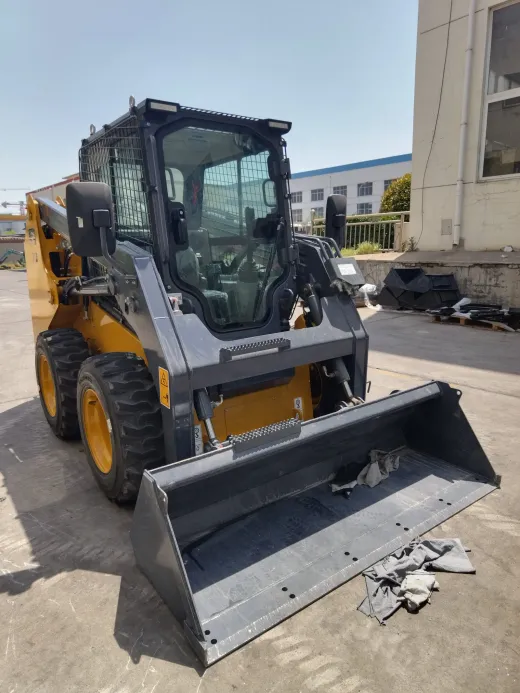
Skid Steer Weight: Operating Weight by Class, Mini to Large Frame
How much does a skid steer weigh? It depends on frame class, undercarriage, and whether you mean operating weight, shipping weight, or rated capacity. This guide breaks down skid steer weight from stand-on minis to large-frame machines, explains tracked vs wheeled weight differences, and covers what the number means for trailer selection and towing rules.
Read more →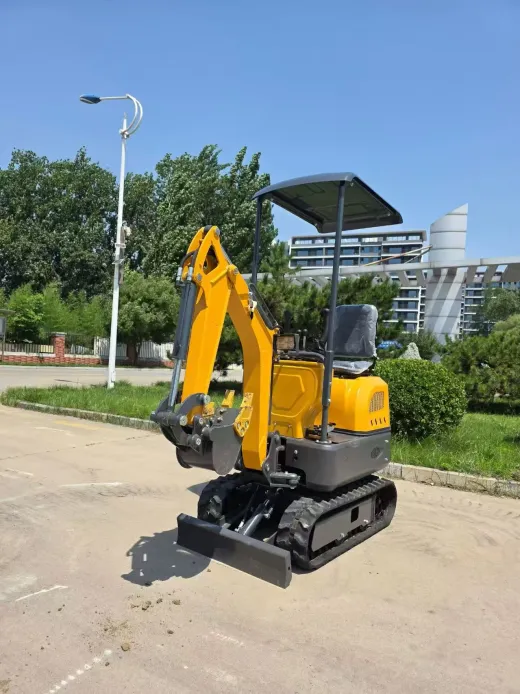
Amphibious Mini Excavators: Working on Water, Marshes & Wetlands
A clear-headed guide to amphibious and floating mini excavators — how pontoon undercarriages work, where they outperform standard machines, their real limitations, and when wide rubber tracks are the smarter choice for wet and soft-ground work.
Read more → Articulating Loaders Explained: Compact & Mini Articulated Loaders
An articulating loader offers superior maneuverability in tight spaces where conventional machines struggle. This guide covers everything buyers need to know about small, compact, and mini articulated loaders — from how they work to what to look for when shopping.
Read more →