










Big Excavators: Types, Sizes and How They Compare to Mini Excavators
2026-06-28
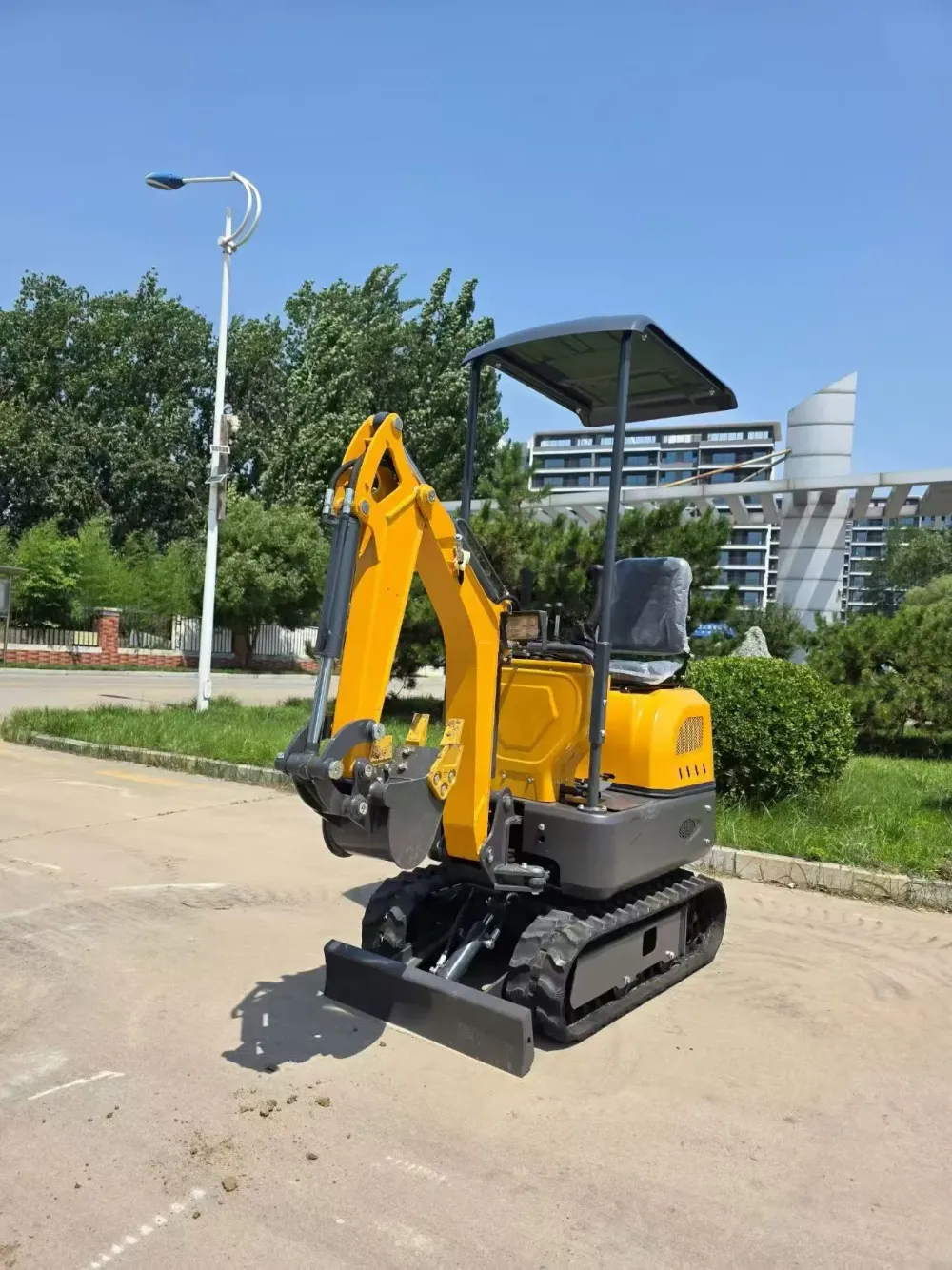
Shopping for a big excavator but not sure which size fits your job site? This guide breaks down every weight class from 7-ton to 18-ton, explains real-world digging performance, and shows when a compact machine is the smarter buy.
When contractors talk about buying an excavator big enough to handle serious earthmoving, they usually mean a machine that tips the scales somewhere between 7 and 20 metric tons. That range covers foundation digging, pipeline trenching, road building, demolition, and large-scale land clearing — work that simply cannot be done efficiently with a compact machine. But bigger is not always better. Understanding the weight classes, digging depths, and job-site requirements for each size will help you spend your budget in the right place and avoid renting or buying more iron than the project actually needs.
Understanding Excavator Weight Classes
The heavy equipment industry loosely divides excavators into three broad tiers: compact (under 6 tons), mid-size (6–14 tons), and large (14 tons and above). When buyers search for a mid size excavator for sale or a midi excavator for sale, they are usually targeting the 6–10 ton bracket — machines that balance power with relative transportability.
Here is a quick overview of the most common weight classes buyers ask about:
- 7 ton digger — Typically produces around 45–55 kN of bucket breakout force, suits residential foundation work and utility trenching.
- 8000 lb excavator — A 3.5-ton machine; note that some North American buyers use pounds rather than metric tons, so always confirm the spec sheet unit.
- 10000 lbs excavator — Roughly 4.5 metric tons, the upper edge of the compact class.
- 12000 lb excavator / 12000 pound excavator — Approximately 5.4 metric tons; shares transport convenience with compacts but offers deeper reach.
- 18000 lb excavator — Around 8 metric tons, firmly in mid-size territory with real production capability.
Always verify whether a listing quotes operating weight, shipping weight, or transport weight, as these can differ by several hundred kilograms.
7-Ton and 8-Ton Diggers: The Sweet Spot for Many Buyers
The 7 ton digger for sale market is one of the most competitive segments in the industry. A 7-ton machine typically delivers a maximum digging depth of 4.0–4.5 m, a reach of around 7 m, and enough counterweight to handle a 0.28–0.32 m³ bucket without tipping. These figures make it genuinely useful on commercial sites — not just residential work — while the machine still fits on a standard tag-along trailer behind a 3/4-ton pickup.
Step up to the 8 ton digger for sale class and you gain roughly 10–15 % more bucket breakout force, a slightly longer arm option, and usually a larger hydraulic flow that supports high-performance attachments like hydraulic hammers and tiltrotators. The added weight does push transport requirements toward a dedicated lowboy in some jurisdictions, so factor in your haul road and permit situation before committing.
For buyers who need both excavation and loading in one machine, a backhoe loader in the same weight class is worth comparing — it trades pure dig depth for the ability to load trucks from either end.
10-Ton Diggers: Where Compact Ends and Production Begins
The 10 ton digger for sale class marks a meaningful threshold. At this weight, machines are typically equipped with higher-flow main pumps (two-circuit, 2 × 110–130 L/min is common), long-arm configurations that push digging depth past 5.5 m, and load-sensing hydraulics that reduce fuel burn while maintaining responsiveness under varying attachment loads.
An 18000 lb excavator (≈ 8.2 t) sits just below this class, while a true 10-ton unit lands around 22,000 lb. Both require a proper lowboy or step-deck trailer and a Class 8 truck to move legally on most highways without special permits — a cost that buyers sometimes overlook when comparing sticker prices.
Production output at 10 tons is substantially higher than at 7 tons: expect 30–40 % more tons-per-hour in a trench-digging cycle, driven by the larger bucket, faster swing speed, and deeper one-pass cut. For pipeline contractors or municipal utility crews digging hundreds of meters of trench per week, the productivity difference usually justifies the higher purchase and transport cost.
135-Class, 14-Ton and 16-Ton Machines: Real Production Iron
The 135 excavator designation — popularized by one of the dominant global OEMs — refers to a machine in the 13–14 metric ton class, and the term has become shorthand in many markets for any mid-large digger in that bracket. A 14 ton excavator typically offers:
- Maximum digging depth: 5.8–6.2 m
- Bucket capacity: 0.52–0.65 m³
- Engine output: 75–90 kW (Tier 4 Final or Stage V)
- Swing torque: 55–65 kN·m
- Maximum reach at ground level: 8.5–9.0 m
Step up to a 16 ton excavator and bucket capacity climbs to 0.65–0.80 m³, digging depth approaches 6.5 m, and engine output rises to 90–110 kW. These machines are the backbone of road building, large commercial foundation excavation, and aggregate quarrying. They are rarely owner-operated on a single-family residential site — the economics simply do not work unless the site is large or the contractor is already mobilizing the machine from a nearby job.
Note: Model designations like the hx210s (a 21-ton class machine from a Korean OEM) appear frequently in buyer research. ZHONGMAI does not manufacture that specific model, but understanding where it sits in the weight spectrum helps when comparing specs against any machine in the 18–22 ton range.
18-Ton Excavators: High-Production Earthmoving
An 18 ton excavator is a serious production machine. At this weight class you typically see:
- Bucket capacity: 0.80–1.00 m³ (standard arm)
- Maximum digging depth: 6.5–7.0 m
- Engine output: 110–130 kW
- Operating weight: approximately 18,000 kg / 18000 lb excavator equivalent is actually the 8-ton class — an 18-metric-ton machine weighs closer to 39,600 lb, which is an important distinction when reading North American spec sheets.
An 18-ton unit moves significant material per shift. In a standard 8-hour day on soft-to-medium ground, a skilled operator can move 800–1,200 m³ of material — roughly three to four times the output of a 7-ton machine. Fuel consumption is correspondingly higher (18–22 L/hr at full load versus 6–9 L/hr for a 7-ton), so total cost of ownership analysis must include fuel, insurance, and the larger crew typically needed to support a high-production machine.
If your project requires this level of output, evaluate whether adding a skid steer loader for cleanup and material spreading around the dig area could further boost overall site productivity without a second full-size excavator.
When a Mini Excavator Beats a Big Digger
For all the capability of a excavator big enough to move mountains, there are many situations where a compact machine delivers better economics and better access:
- Indoor demolition and renovation — A mini excavator fits through standard doorways; a 10-ton machine does not.
- Landscaping and garden work — Ground pressure on a mini is low enough to avoid damaging existing lawns and hardscaping.
- Utility trenching in developed neighborhoods — A compact machine can work between parked cars and established trees where a large excavator cannot maneuver.
- Owner-operator economics — A mini excavator can be transported on a trailer most pickup trucks can legally pull, eliminating the need for a CDL and a dedicated transport rig.
- Rental income between owned projects — Compact machines rent quickly and command good daily/weekly rates in most markets.
ZHONGMAI's mini excavator lineup covers the 1-ton through 6-ton range, with hydraulic quick-coupler compatibility and full attachment support. For buyers who want to complement a larger rented machine with an owned compact, a mini excavator is often the practical solution. Pair it with a set of skid steer attachments for maximum versatility across a mixed fleet.
Buying Checklist: What to Verify Before You Purchase
Whether you are shopping for a 7 ton digger for sale, a 10 ton digger for sale, or anything up to an 18 ton excavator, use this checklist before signing:
- Operating weight vs. transport weight — Confirm which figure is quoted and whether your trailer/truck combination is rated for the actual transport weight including blade, bucket, and any counterweight ballast.
- Digging depth for your deepest trench — Add 10–15 % margin; machines are rarely rated for fully vertical walls in real soil.
- Hydraulic flow and pressure — If you plan to run a hammer or tiltrotator, verify the auxiliary circuit specs match the attachment manufacturer's requirements.
- Engine emissions tier — Many municipalities and project owners now require Tier 4 Final or Stage V compliance; an older machine may be locked out of urban job sites.
- Undercarriage condition on used machines — Track chains, rollers, and idlers on a heavily used mid-size excavator can cost $8,000–$20,000 to replace; always inspect before purchase.
- Parts availability — For machines sourced from Chinese or Korean OEMs, verify that your region has an authorized dealer or parts warehouse with realistic lead times.
- Warranty terms — New machines should carry at minimum a 12-month / 2,000-hour powertrain warranty; structural warranties of 2–3 years are increasingly standard.
Browse our excavator big range · — we reply within one business day.
Frequently asked questions
What is a 7 ton digger typically used for?
A 7 ton digger is most commonly used for residential and light commercial foundation excavation, utility trenching to depths of 4–4.5 m, drainage work, and general earthmoving on sites where a larger machine would cause access or ground-pressure problems. It is also popular with owner-operators because it can usually be transported on a tag-along trailer without a special permit.
What is the difference between a 12000 lb excavator and a 12000 pound excavator?
They are the same thing — 12,000 pounds equals approximately 5.4 metric tons. This weight sits at the upper end of the compact excavator class. Machines in this range offer digging depths of around 3.8–4.2 m and are transportable on most standard equipment trailers. Always check whether a listing quotes weight in pounds or kilograms, as the two are sometimes confused in North American dealer listings.
What does the '135' mean in a 135 excavator?
The '135' designation originated as a model number suffix from a major global OEM and refers to machines in the 13–14 metric ton operating weight class. The term has become generic shorthand in many markets for any mid-size excavator in that bracket. These machines offer digging depths of roughly 5.8–6.2 m and bucket capacities around 0.52–0.65 m³, making them suitable for road building, pipeline work, and large commercial excavation.
Is a midi excavator for sale the same as a mid size excavator for sale?
In most dealer usage, yes — 'midi excavator' and 'mid size excavator' refer to the same 6–10 ton weight class. Some manufacturers use 'midi' specifically for the 6–8 ton range and 'mid size' for 8–14 tons, but there is no industry-wide standard. Always look at the quoted operating weight rather than relying on the marketing label.
How much does an 18 ton excavator weigh in pounds?
An 18 metric ton excavator weighs approximately 39,600 lb. This is a common source of confusion: when buyers search for an '18000 lb excavator,' they are actually looking for an 8.2-metric-ton machine — a very different size class. Confirm units before comparing listings across North American and international dealers.
When should I choose a mini excavator over a big excavator?
Choose a mini excavator when site access is restricted, ground pressure must be kept low, transport logistics favor a machine that fits on a standard trailer, or project economics do not justify the higher ownership and operating cost of a full-size machine. Mini excavators excel at indoor demolition, landscaping, narrow-trench utility work, and projects where a large machine would cause collateral damage to surrounding surfaces. ZHONGMAI's mini excavator range covers 1–6 tons with full attachment compatibility.
What should I check before buying a used 10 ton digger for sale?
Key inspection points include undercarriage wear (tracks, rollers, idlers, and sprockets can be expensive to replace), hydraulic cylinder seal condition, engine hours versus service records, emissions compliance tier for your operating region, and auxiliary hydraulic circuit specs if you plan to run attachments. For any used machine over 3,000 hours, budget for a full hydraulic filter service and undercarriage assessment before calculating your true acquisition cost.
Related articles
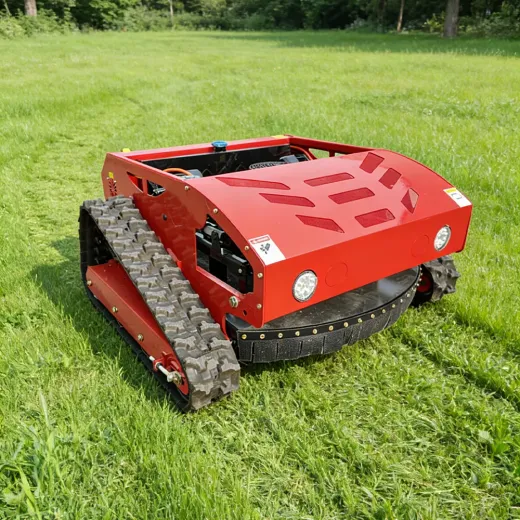
DIY RC Lawn Mower: Build vs Buy — What Actually Makes Sense
Thinking about building a DIY RC lawn mower? We break down every component, the Arduino approach, real costs, build time, and the safety risks most guides skip — so you can decide whether to build or buy a commercial remote control mower.
Read more →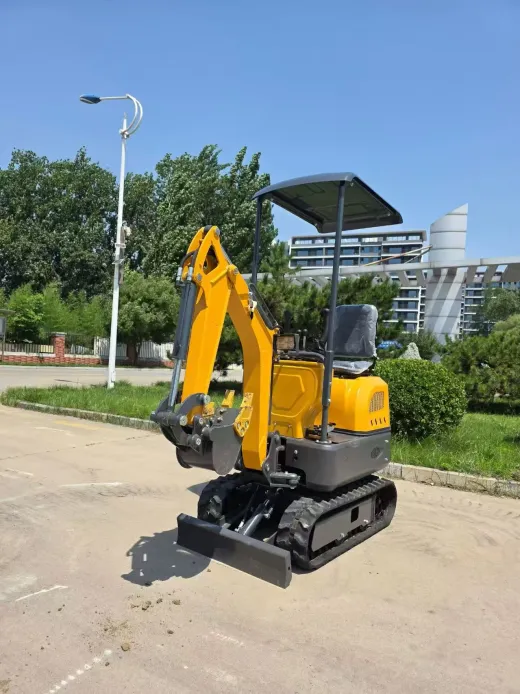
Mini Excavator Model Numbers Compared: What the Specs Actually Mean
Confused by excavator model names like KX057-5, 305.5E2, or U17? This guide decodes how Kubota, Caterpillar, Bobcat, Yanmar, Kobelco, Hitachi, and John Deere name their machines — and shows where ZHONGMAI's range fits in.
Read more →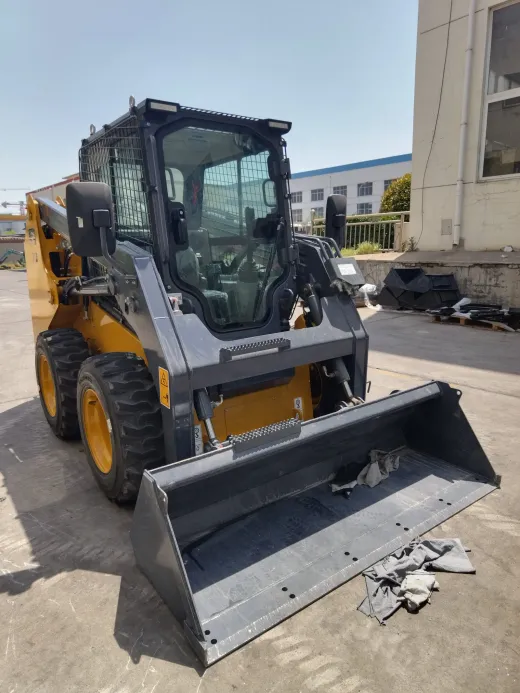
Skid Steer Comparison Chart: CAT, Bobcat, Case, John Deere & More
Use this skid steer comparison chart to weigh CAT, Bobcat, Case, John Deere, Ford, and Daewoo models side by side on rated operating capacity, horsepower, and lift type. Need the full detail behind a single spec instead? Our dedicated guides on skid steer weight, dimensions, and full specifications, linked throughout, cover those in depth.
Read more →