










Forklift Wheels & Tires: Types, Sizes, and When to Replace
2026-06-28
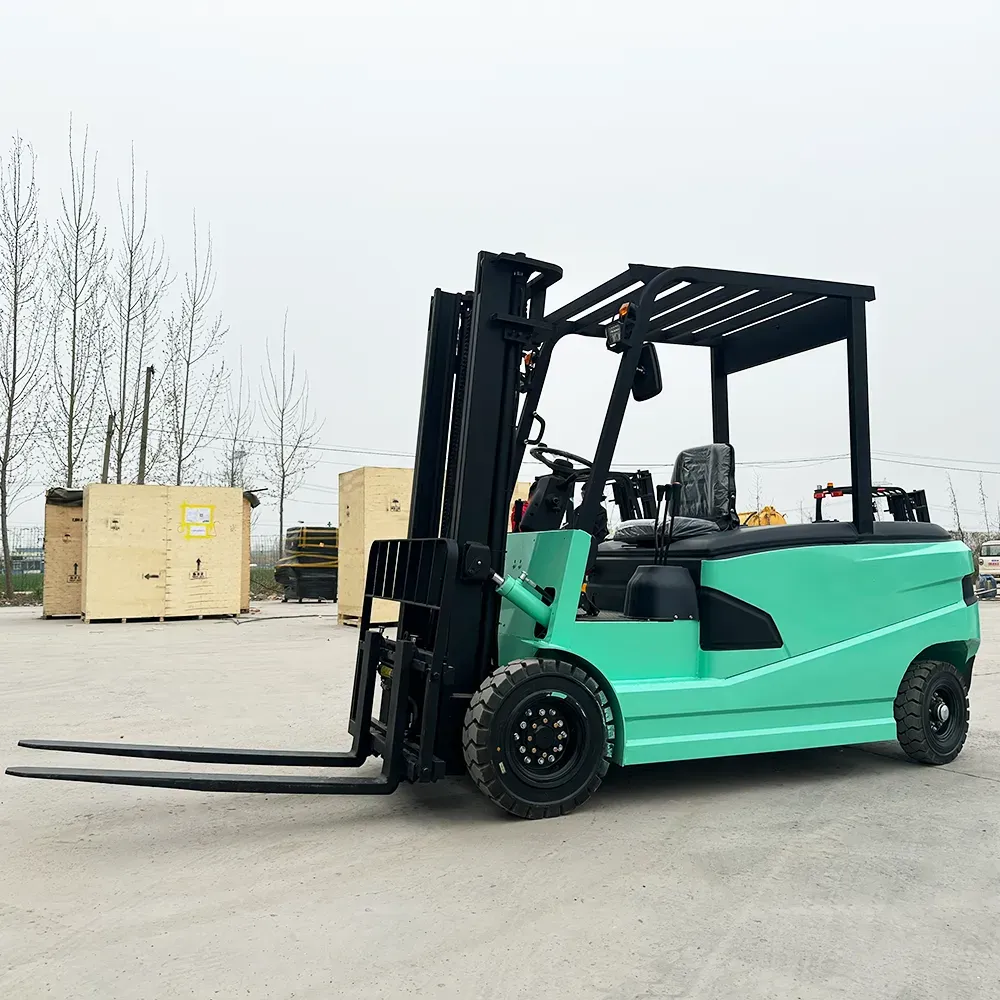
A complete guide to forklift wheels and tires: cushion, pneumatic, solid, and polyurethane types explained, how to read size markings, wear indicators to watch, and when replacement is overdue. Covers electric forklifts and rough-terrain machines.
The forklift wheel is the only point of contact between several tonnes of machine and load and the floor beneath it. Get that contact wrong — wrong tire type for the surface, wrong size, or worn past the limit — and you trade productivity for instability, floor damage, and tire failure. This guide covers the four main forklift tire types, how to read the size markings stamped on every tire, the wear indicators that tell you a replacement is coming, and the specific conditions under which each type performs best. It applies equally to warehouse electric forklifts and rough-terrain machines; where the advice differs between the two, that is noted.
The four tire types: what each one is and where it belongs
Every forklift runs on one of four tire constructions. The choice is made at spec time and is largely fixed by the machine type and its working environment.
- Cushion tires — a solid rubber compound pressed directly onto a metal band, which locks onto the wheel rim. They sit lower to the ground than pneumatic tires, giving the truck a lower center of gravity and a tighter turning radius. Cushion tires are designed for smooth, hard, clean indoor surfaces: sealed concrete, polished warehouse floors, and loading docks where there is no debris and no meaningful gradient. They cannot handle broken asphalt, gravel, or outdoor surfaces and should not be used on them. The compound is typically black carbon-reinforced rubber, though specialty compounds exist for heat-generating environments such as foundries or cold-store operation.
- Pneumatic tires — air-filled tires mounted on a standard split rim or multi-piece rim, identical in principle to a truck tire. They absorb surface irregularities and handle outdoor surfaces, asphalt yards, rough loading areas, and light off-road terrain. The deeper tread bites loose or uneven ground. The tradeoff is a higher machine profile, a wider turning radius, and the risk of a puncture. Standard pneumatic tires are used on counterbalance forklifts that work both indoors and outdoors, and on most rough-terrain machines.
- Solid pneumatic tires (solid press-on pneumatics) — the same external profile and dimensions as a pneumatic tire, but manufactured from solid rubber throughout. They mount on the same rims as standard pneumatics and can therefore replace them without changing the wheel assembly. The advantage is puncture immunity, which matters in environments with wire, scrap metal, wood splinters, or other debris that would destroy an air-filled tire. The disadvantage is a harder ride: without an air column to absorb shock, vibration transfers directly to the operator and to the load. Solid pneumatics are the default choice for outdoor yard work in scrap, recycling, lumber, and construction applications where punctures would otherwise become a daily maintenance problem.
- Polyurethane tires — a harder, lower-rolling-resistance compound used almost exclusively on electric warehouse equipment: pallet jacks, reach trucks, order pickers, and small electric counterbalance machines. A polyurethane forklift wheel rolls with less friction than rubber, which extends battery range. It also leaves no black marks on sealed floors, which matters in food, pharmaceutical, and retail environments where floor appearance and hygiene are controlled. Polyurethane is unsuitable for outdoor or rough surfaces and wears unevenly if the machine is operated on gradients or spun aggressively.
Forklift tire size markings: how to read what is stamped on the tire
Every forklift tire carries a size designation molded into the sidewall. The format is not universal across all tire types, but the logic is consistent once you know what each number represents.
For cushion tires, the most common format is Width x Outside Diameter, written as two numbers separated by a hyphen or an x: for example, 18x7-8 means 18 inches wide, 7 inches of cross-section height, and an 8-inch rim diameter. Some manufacturers list the outside diameter directly rather than the cross-section; always confirm which convention a supplier is using before ordering.
For pneumatic and solid pneumatic tires, the format follows the truck-tire convention: Width-Rim Diameter, such as 6.00-9 or 7.00-12. The first number is the section width in inches, the second is the rim diameter in inches. Metric sizes are written width/aspect ratio-rim diameter, the same as a passenger car tire. Load index and ply rating (or load range letter) appear separately and indicate maximum load capacity and structural strength.
Polyurethane drive and load wheels on electric equipment use millimeter dimensions: diameter x width x bore, such as 250x75x150, meaning 250 mm outside diameter, 75 mm width, and 150 mm bore (hub hole). Matching the bore to the wheel hub is critical; an incorrectly sized bore makes the tire impossible to mount.
The rim and the tire must be a matched set. Running a tire on a rim of the wrong diameter or width is dangerous: the bead will not seat correctly, the load rating will not be valid, and in the case of pneumatic tires, the risk of bead blowout under load is real. When replacing any forklift wheel or tire, confirm both the tire size and the rim specification before ordering.
Cushion vs. pneumatic: choosing by surface and application
The single most important specification decision for a counterbalance forklift is whether it runs cushion or pneumatic tires, and the answer is determined by where the machine works — not by preference or price.
If the machine will spend its entire life on smooth, sealed indoor floors, cushion tires are the right choice. The lower ride height and tighter turning radius make the machine easier to maneuver in narrow aisles, and the simpler wheel assembly has fewer components to maintain. Our electric forklift range is typically supplied with cushion tires for indoor warehouse and factory use.
If the machine will work outdoors, on loading aprons, in yards with broken surfaces, or in any environment where it moves between a building and an external area, it needs pneumatic or solid pneumatic tires. Cushion tires on rough surfaces wear unevenly, generate heat, and in severe cases can delaminate from the rim band. They also provide no meaningful traction on loose or wet outdoor surfaces.
If the machine works in genuinely rough terrain — uneven ground, slopes, loose fill, or cross-country movement — it needs a purpose-built rough-terrain machine on aggressive pneumatic tires. Our rough terrain forklift is built for exactly these conditions, with ground clearance, axle articulation, and tire dimensions matched to outdoor and construction site use. Attempting to run a standard warehouse forklift on rough terrain, regardless of tire type, is a stability and safety risk.
Wear indicators and the limits you cannot exceed
Forklift tires do not wear the same way passenger car tires do. The loads are higher, the duty cycles are more demanding, and the consequences of a tire failure mid-operation are more severe. Understanding the wear indicators specific to each tire type is essential for determining when a forklift wheel needs replacement before failure becomes the deciding factor.
Cushion tires — most cushion tires have a molded wear line, sometimes called the safety line or the 50% wear line, running around the circumference of the tire. When the tire surface wears down to this line, the tire is at or past the safe service limit and must be replaced. Do not wait for the wear line to disappear entirely; replace when it first becomes visible at surface level. A cushion tire worn past the line is thinner at the contact patch, which reduces load capacity and stability and increases the risk of the rubber separating from the metal band.
Pneumatic tires — check tread depth using a tread depth gauge, not by eye. The minimum serviceable tread depth on a forklift pneumatic tire is typically around 1.5 to 2 mm, but consult the tire manufacturer's specification for the exact figure. Also inspect for sidewall cracking, bulging, or cord exposure. Any cord exposure — visible fabric or steel cords through the rubber — is an immediate out-of-service condition. Uneven tread wear (one side worn more than the other) indicates an alignment or inflation problem that needs to be corrected when the tires are replaced, not after.
Solid pneumatic tires — wear is measured by the remaining thickness of the rubber layer above the steel belt or cord body. Most solid pneumatics have a colored wear indicator layer beneath the outer compound: when the indicator color appears at the surface, the tire has reached its wear limit. Like cushion tires, chunking (pieces of rubber breaking away from the tread) and cracking are also out-of-service indicators even if the overall wear level has not reached the limit.
Polyurethane wheels — polyurethane wears more slowly than rubber but gives less obvious warning signs. Check for flat spots on the contact surface, which develop when a machine sits stationary for extended periods or when the wheel is dragged sideways during cornering. Flat spots cause vibration and uneven load distribution. Also check for cracking or delamination from the hub. A severely flat-spotted polyurethane drive wheel reduces traction control accuracy on electric machines with regenerative braking.
Replacement timing: when to act before the tire forces the issue
Tire replacement on a forklift should be scheduled, not reactive. Waiting for a tire to fail in service risks a dropped load, a machine that cannot be moved under power, or — in the case of a pneumatic tire blowout — a sudden and uncontrolled shift in machine stability. The cost of a planned replacement is the cost of the tires and the labor to change them; the cost of an unplanned in-service failure adds downtime, potential load damage, and the risk of injury.
A structured inspection schedule is the minimum baseline. Visual inspection of all four forklift wheel assemblies should be part of the daily pre-operation checklist — the operator walks the machine before every shift and checks for obvious damage, unusual wear, and inflation pressure on pneumatic tires. A more detailed inspection, including tread depth measurement and wear line assessment, should be performed by a technician at defined intervals: typically every 250 to 500 operating hours, or whenever the daily inspection identifies a developing issue.
Replacement intervals vary by application intensity. A machine running three shifts on abrasive concrete will wear tires far faster than a machine running a single light shift on a smooth sealed floor. Track operating hours against wear rate to build a predictive replacement cycle that fits your operation, rather than using generic calendar intervals that may not match actual wear.
When replacing tires, replace them in axle pairs, not individually. A single new tire paired with a worn tire on the same axle creates an imbalance in ride height and load distribution. On a drive axle this also creates uneven traction, which on electric machines with traction control can generate fault codes and erratic behavior. On a steer axle, mismatched wear heights affect steering geometry.
Rim and wheel assembly maintenance
The tire does not operate alone — it sits on a rim, which is part of a wheel assembly that includes the hub, bearings, and fasteners. Tire replacement is the correct time to inspect the full assembly, not just swap rubber.
On cushion tire rims, check the rim band for corrosion, deformation, and any cracking around the bolt holes. A corroded or deformed rim will not hold the pressed-on tire correctly, and the rubber can walk or spin on the metal under load. Clean the rim surface before pressing the new tire and confirm that the press-fit engagement is within specification.
On pneumatic rim assemblies — particularly multi-piece rims — inspect all locking rings, side rings, and gutter rings for cracks, bends, and corrosion. Multi-piece rims are under significant pressure when the tire is inflated; a damaged locking ring can release explosively during inflation or in service. If any component of a multi-piece rim assembly shows damage, replace the entire rim set, not just the damaged component. Follow lockout/tagout procedures during tire inflation on multi-piece rims and use a safety cage if inflating to operating pressure from flat.
Check bearing play in the hub. Worn bearings allow the wheel to wobble, which accelerates uneven tire wear and can cause the tire to separate from the rim on cushion-type assemblies. Bearings that show visible play or make noise under rotation should be replaced at the same service interval as the tires, not deferred.
Matching tires to your machine and operating environment
The right tire for your forklift is defined by three things: the machine type and its designed tire specification, the surface it operates on, and the application intensity. Deviating from the machine's designed tire specification — running a different outside diameter, a different width, or a different type — changes the machine's load rating, its stability characteristics, and in some cases voids the manufacturer's certification.
For indoor electric warehouse forklifts on smooth floors, cushion or polyurethane tires are the designed solution. Our electric forklift models are sized and rated with specific cushion tire specifications; changing to a significantly different outside diameter changes the effective center of gravity height and the rated tipping load, which are safety-critical figures. If you are considering a tire upgrade or substitution, confirm with the machine manufacturer or an authorized service center that the substitution is within the machine's rated parameters.
For outdoor and rough-terrain applications, the machine itself must be designed for the surface — not just the tires. A standard warehouse forklift wheel assembly mounted with aggressive pneumatic tires does not become a rough-terrain machine; the chassis geometry, counterweight distribution, and axle design must match the application. Our rough terrain forklift is built from the ground up for outdoor and construction site conditions, with the structural and stability design to match. If your application takes a machine outdoors onto uneven surfaces, that is the correct starting point.
Browse our forklift wheel range · — we reply within one business day.
Frequently asked questions
What is the difference between cushion and pneumatic forklift tires?
Cushion tires are solid rubber pressed onto a metal band and sit lower to the ground. They are designed for smooth indoor surfaces and give a tighter turning radius. Pneumatic tires are air-filled, sit higher, and can handle outdoor surfaces, rough asphalt, and uneven ground. The decision is driven entirely by where the machine operates — cushion tires on outdoor or broken surfaces wear unevenly and provide poor traction.
How do I know when a forklift wheel or tire needs replacing?
Cushion tires have a molded wear line; replace when the surface wears down to it. Pneumatic tires should be replaced when tread depth falls below 1.5 to 2 mm, or immediately if any cord is visible through the rubber. Solid pneumatics usually have a colored indicator layer beneath the outer compound that appears at the surface when the limit is reached. Polyurethane wheels should be replaced when flat spots, cracking, or delamination from the hub are visible.
Can I replace only one forklift tire instead of the full axle pair?
Replacing tires in axle pairs is strongly recommended. A single new tire paired with a worn tire on the same axle creates an imbalance in ride height and load distribution. On drive axles this can affect traction control on electric machines; on steer axles it alters steering geometry. The added cost of a matched pair is small compared to the problems caused by mismatched wear heights.
What do the numbers in a forklift tire size mean?
For cushion tires the format is typically Width x Section Height-Rim Diameter in inches, such as 18x7-8. For pneumatic tires it follows the truck-tire convention: Section Width-Rim Diameter, such as 7.00-12. Polyurethane wheels use millimeter dimensions in the format Outside Diameter x Width x Bore, such as 250x75x150. The bore must match the wheel hub exactly. Always confirm the rim specification alongside the tire size before ordering.
Are solid pneumatic tires better than air-filled pneumatic tires?
Solid pneumatics eliminate puncture risk, which makes them the right choice for scrap yards, lumber yards, recycling facilities, and construction sites where debris would puncture standard tires regularly. The tradeoff is a harder ride: without an air column the machine transmits more vibration to the operator and the load. In clean outdoor environments without puncture risk, standard pneumatic tires give a more comfortable ride.
Why do electric forklifts often use polyurethane tires?
Polyurethane rolls with less friction than rubber, which reduces the energy the motor must supply to move the machine and extends battery runtime per charge. It also leaves no black marks on sealed floors, which is important in food processing, pharmaceutical, and retail environments. The limitation is that polyurethane is only suitable for smooth, clean indoor surfaces and wears unevenly on gradients or when subjected to aggressive cornering.
Can I use the same tires on an indoor electric forklift and a rough-terrain forklift?
No. Indoor electric forklifts are designed around specific cushion or pneumatic tire dimensions that are part of their stability and load rating calculation. Rough-terrain forklifts use larger, more aggressive pneumatic tires on a machine designed from the ground up for outdoor conditions. Swapping tire types between machine classes changes the effective center of gravity height and can invalidate the machine's rated tipping load. Always use the tire type and size specified for your machine model.
Related articles
Skid Steer Weight: Operating Weight by Class, Mini to Large Frame
How much does a skid steer weigh? It depends on frame class, undercarriage, and whether you mean operating weight, shipping weight, or rated capacity. This guide breaks down skid steer weight from stand-on minis to large-frame machines, explains tracked vs wheeled weight differences, and covers what the number means for trailer selection and towing rules.
Read more →
Amphibious Mini Excavators: Working on Water, Marshes & Wetlands
A clear-headed guide to amphibious and floating mini excavators — how pontoon undercarriages work, where they outperform standard machines, their real limitations, and when wide rubber tracks are the smarter choice for wet and soft-ground work.
Read more → Articulating Loaders Explained: Compact & Mini Articulated Loaders
An articulating loader offers superior maneuverability in tight spaces where conventional machines struggle. This guide covers everything buyers need to know about small, compact, and mini articulated loaders — from how they work to what to look for when shopping.
Read more →