










Hiring a Mini Digger with Operator: What Contractors Charge and When It Makes Sense
2026-06-28
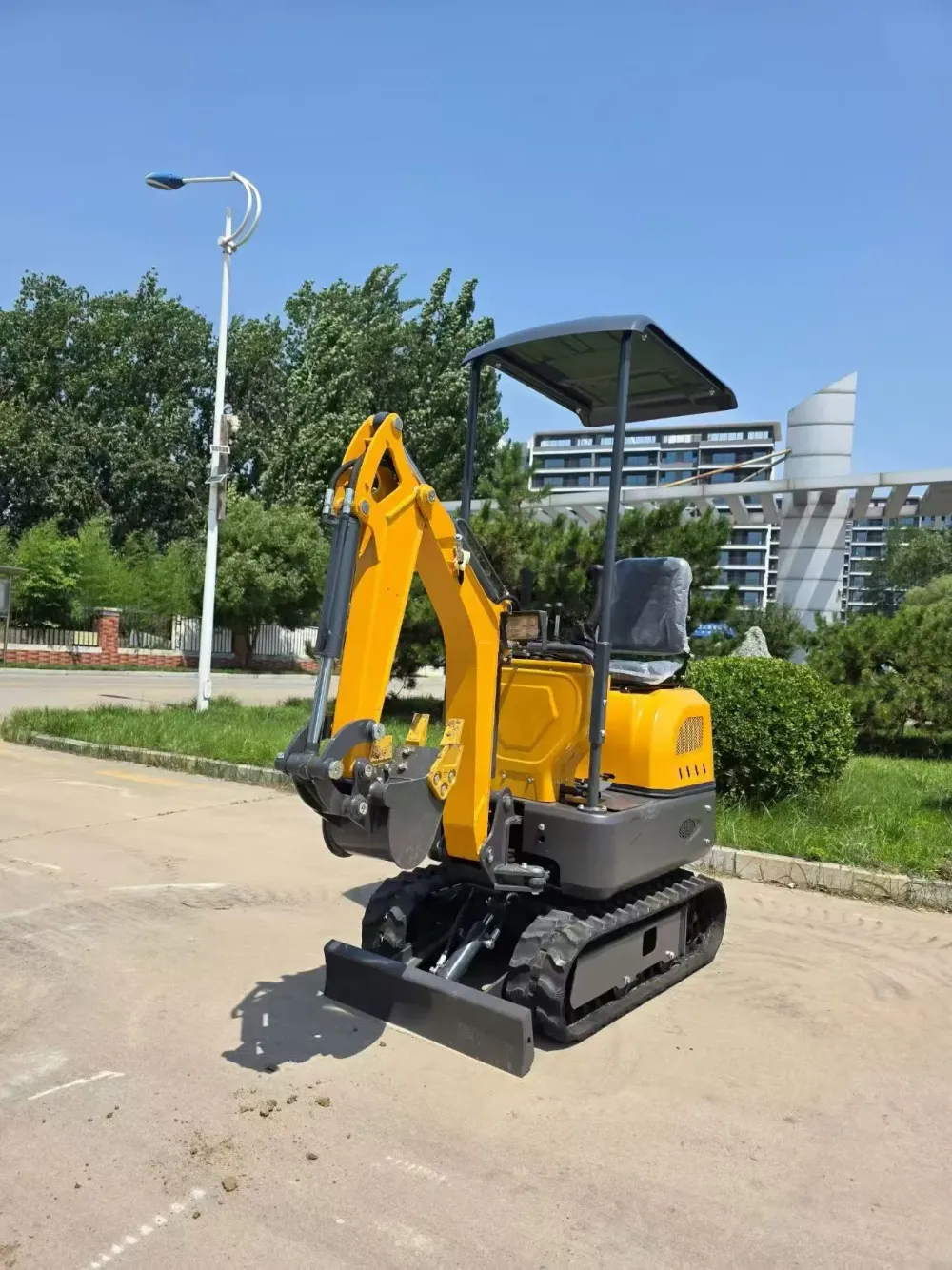
What mini digger contractors charge per day, what drives those rates up, and the breakeven math that shows when buying a Chinese mini excavator from ZHONGMAI beats hiring indefinitely. A plain-English guide for trade buyers and small fleet operators.
Every groundwork job starts with the same question: hire in a machine with an operator, or put one on your own fleet? The answer depends on how often you need one, what mini digger contractors charge in your market, and what a machine actually costs to own. This guide puts numbers around each option so you can make the call on evidence, not gut feel. We cover daily hire rates, what pushes them up, the breakeven calculation that most buyers skip, and why a Chinese mini excavator from ZHONGMAI changes the math more than most people expect.
What mini digger contractors actually charge
Hire rates for mini digger contractors vary by region, machine size, and how much competition exists in your area, but a working range for a 1.5 to 3.5 tonne machine with an experienced operator runs roughly £350 to £650 per day in the UK, $500 to $900 USD in North America, and AU$600 to AU$1,100 in Australia. Those figures typically include the operator's labour, fuel, and basic insurance on the machine itself. They do not include ground condition surcharges, tight-access premiums, or standby time if your schedule slips.
Half-day minimums are standard. Most mini digger contractors quote a minimum call-out of four to six hours even for a two-hour job. If your project runs longer than a single week, some contractors offer a weekly rate that works out to four to four and a half day-rate equivalents, but this varies and is always worth negotiating directly.
Larger machines — say 5 to 8 tonne — carry noticeably higher day rates because the operator must hold a heavier plant ticket and the machine itself costs more to run and transport. If a 1.7 tonne micro digger will do the job, specifying one saves money. Over-specifying is a common and avoidable cost on short hires.
What pushes contractor rates higher
The headline day rate is rarely the final number. Understanding what adds to it lets you structure your projects to control costs when you are using hired mini digger contractors rather than your own machine.
- Restricted access — basement excavations, narrow passages, or work requiring a zero-tail-swing machine often carry a premium of 15 to 25 percent over open-site rates because fewer machines and operators qualify.
- Specialist attachments — if your job needs a hydraulic breaker, auger, or compaction plate, expect an attachment day-rate on top of the base hire. A breaker on a 2 tonne machine might add £80 to £120 per day.
- Traffic management or permit requirements — any job near a road where the contractor must co-ordinate permits or provide banksmen shifts the liability onto them and the rate up accordingly.
- Remote location — mobilisation charges apply when the site is more than a certain radius from the contractor's yard. This can be a flat fee or a per-mile rate. Always ask when and how mobilisation is billed.
- Congestion and demand peaks — in busy construction seasons, rates for available mini digger contractors rise simply because supply tightens. Booking well ahead and building relationships with contractors reduces exposure to peak-season premiums.
The breakeven calculation most buyers skip
The decision to keep hiring or to buy your own machine should be a calculation, not a feeling. Here is the arithmetic in plain form.
Assume you are paying an average of £500 per day for a hired mini digger with operator, and your crew uses a machine roughly 60 days per year — a conservative figure for a small groundwork outfit. That is £30,000 in hire spend annually. Over three years, that is £90,000 out the door with nothing to show for it at the end.
A well-specified 1.8 tonne ZHONGMAI mini excavator, fully kitted with a quick coupler, two buckets, and auxiliary hydraulics, lands in the UK in the range of £18,000 to £28,000 depending on configuration and shipping. The machine pays for itself before the end of year one at 60 hire-days per year, and every day of use after that is pure margin.
Owner-operators need to add fuel (roughly £25 to £40 per day at normal workload), scheduled maintenance (budget 1 to 2 percent of purchase price annually for the first few years), and their own operator time. Even with those costs, the total cost of ownership per working day is typically 40 to 60 percent below what mini digger contractors charge for the equivalent machine, once you are past the payback period.
The breakeven shifts if your usage is lower. At 20 days per year, the case for buying is weaker and hire may remain the better option. At 40 days or more, ownership starts to win. Run your own numbers; the input variables are your actual hire rate, your realistic usage days, and your landed machine cost.
When hiring from contractors still makes sense
Buying is not always the right answer. There are genuine scenarios where engaging mini digger contractors is the smarter call even for busy operators.
- Irregular or unpredictable workload — if you cannot forecast more than two or three months ahead, committing capital to a machine carries real risk. Hire keeps your balance sheet flexible.
- One-off specialist jobs — a project requiring a 5 tonne machine when your normal work is sub-2 tonne is a poor reason to buy up. Hire for that project and stay in your size class.
- No suitable storage or transport — a mini excavator needs somewhere to live and a trailer or lowloader to move. If your yard situation or vehicle setup is not there yet, sorting that out before you buy makes practical sense.
- Operator licensing gaps — in jurisdictions where commercial operation requires a plant operator ticket, a new business without certified operators may need to hire until the qualification is in place.
- Short-term cash flow constraints — even when ownership wins on a three-year view, the upfront outlay matters. Some buyers hire while they save the deposit, then buy when the timing is right.
The point is not that hiring is bad — it is that the reasons to keep hiring should be deliberate, not default. Most operators who have run the numbers realise they crossed the buying threshold some time ago without noticing.
Why Chinese mini excavators change the breakeven
The calculation above changes materially when you look at what a ZHONGMAI mini excavator costs compared with a Japanese or German equivalent. A comparable specification machine from a Chinese manufacturer typically lands at 30 to 50 percent below the price of a Kubota, Yanmar, or Bobcat of the same weight class. That gap compresses the breakeven from eighteen months to six to nine months at typical usage levels.
The concern buyers raise most often is reliability and parts availability. It is a fair question for any import purchase. ZHONGMAI machines use proven hydraulic components, and the specification sheets are transparent about engine origin and hydraulic system make. Scheduled maintenance items — filters, fluids, track adjustments — follow the same intervals as any comparable machine and are not proprietary to the brand.
Parts supply matters more than brand recognition. Before buying any machine, confirm that your supplier holds common wear parts in stock and can source others within a reasonable lead time. A machine sitting idle waiting for a £40 filter costs you more than the money saved on the purchase price. Ask the question directly when you request a quote.
The short version: for buyers who have done the research and are comfortable with the supply chain, a Chinese mini excavator bought instead of renting from mini digger contractors can pay back in under a year at moderate usage. That is a difficult case for continued hiring to beat.
What to specify before you get quotes
Whether you are calling mini digger contractors for a hire rate or enquiring about a purchase, the same information makes every conversation more productive and every quote more comparable.
- Operating weight class — what is the heaviest material you are moving, and what is the tightest access you regularly work in? These two constraints narrow the weight class more reliably than any other factor.
- Attachments required — bucket sizes, whether you need a breaker or auger, and whether a quick coupler is a must. For hire, these add to the day rate. For purchase, they are part of the configured price.
- Track type — rubber tracks suit most landscaping, utility, and indoor work. Steel tracks are for demolition or aggressive rocky ground. Rubber is the right default for the majority of contractors.
- Cab or canopy — operator comfort matters for productivity. If your operators are on the machine all day, a cab with heat makes a real difference in northern climates.
- Hours per year — give this number honestly when asking a supplier about cost of ownership. It is the single variable that most affects whether buying or hiring is the better call.
With that information in hand, both hire quotes and purchase quotes become apples-to-apples comparisons. Without it, you are comparing numbers that do not describe the same thing.
Next steps
If you are at the point where you are asking whether hiring from mini digger contractors or buying your own machine makes more financial sense, the honest answer is: run your own numbers with your own hire rate and your own usage days. The breakeven is almost always shorter than buyers expect, and the difference in ongoing cost per day is almost always larger than the purchase price difference suggests.
ZHONGMAI mini excavators are available in 1 to 6 tonne configurations. If you want a delivered price for a specified machine to plug into your own calculation, visit the product page and send an enquiry with your weight class, attachment requirements, and destination port. We will come back with a landed cost that you can set against your current hire spend and make the decision with real numbers.
Browse our mini digger contractors range · — we reply within one business day.
Frequently asked questions
What do mini digger contractors charge per day?
Day rates for mini digger contractors with operator vary by region and machine size. A 1.5 to 3.5 tonne machine with an experienced operator typically runs £350 to £650 per day in the UK, $500 to $900 USD in North America, and AU$600 to AU$1,100 in Australia. Rates cover the operator, fuel, and machine insurance but usually exclude attachment hire, mobilisation, and any access premiums.
How many hire days per year does it take before buying a mini excavator makes sense?
A rough threshold is 40 hire days per year with a mid-range machine. At that level, a purchased machine typically pays back within two years at standard hire rates. At 60 days or more per year, the payback period often falls below twelve months, especially when buying a competitively priced Chinese mini excavator. Below 20 days per year, hiring usually remains the more economical option.
Do Chinese mini excavators save enough to justify buying over hiring?
A ZHONGMAI mini excavator typically lands at 30 to 50 percent below the price of an equivalent Japanese or European machine. That lower entry cost compresses the breakeven against hired mini digger contractors significantly — often to six to nine months at moderate usage. The key due-diligence step is confirming parts availability and service support in your location before committing to the purchase.
What is included in a mini digger hire rate?
Standard hire rates from mini digger contractors include the machine, a qualified operator, fuel for the machine, and the contractor's liability insurance on the equipment. They typically exclude attachment hire (breaker, auger, etc.), mobilisation beyond a certain radius, standby time if your project is delayed, and any site-specific permits or traffic management.
What size mini digger do I need for most groundwork jobs?
A 1.5 to 2.5 tonne mini excavator handles the majority of drainage, foundation, landscaping, and service trench work. This size class fits through standard access gates, loads comfortably on a 3.5 tonne trailer, and reaches a working depth of 2 to 2.5 metres — sufficient for most residential and light commercial groundwork. Step up to 3.5 to 5 tonne only if you regularly need deeper dig depth or higher breakout force.
Can I hire a mini digger without an operator?
Yes — dry hire (machine only, no operator) is available from many plant hire companies and is typically 30 to 50 percent cheaper than wet hire with an operator. However, you need a competent, ideally certificated operator on your team. For commercial work in the UK, CPCS or NPORS plant operator certification is the recognised standard. Some insurers and principal contractors require evidence of certification before a machine is operated on site.
How long does it take to receive a ZHONGMAI mini excavator after ordering?
Lead times depend on configuration and destination. Standard configurations for stock machines typically ship within two to four weeks of order confirmation. Ocean freight transit to Europe runs three to five weeks; to North America or Australia, four to six weeks. A realistic door-to-door timeline from order to machine on your yard is six to ten weeks. Request a firm delivery schedule when you confirm your order.
Related articles
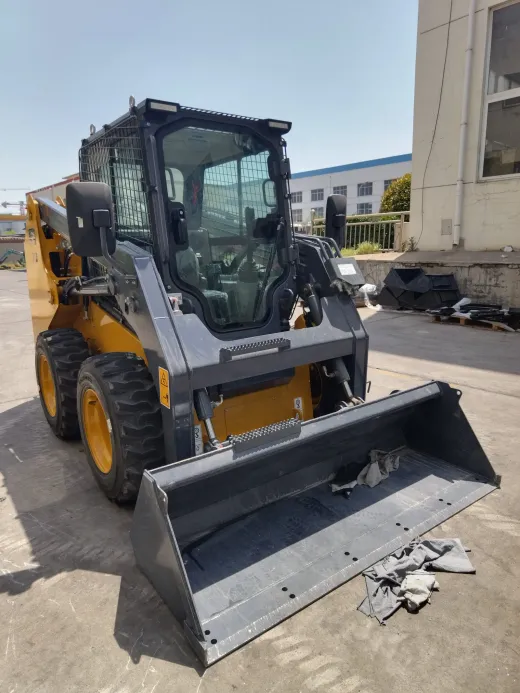
Skid Steer Weight: Operating Weight by Class, Mini to Large Frame
How much does a skid steer weigh? It depends on frame class, undercarriage, and whether you mean operating weight, shipping weight, or rated capacity. This guide breaks down skid steer weight from stand-on minis to large-frame machines, explains tracked vs wheeled weight differences, and covers what the number means for trailer selection and towing rules.
Read more →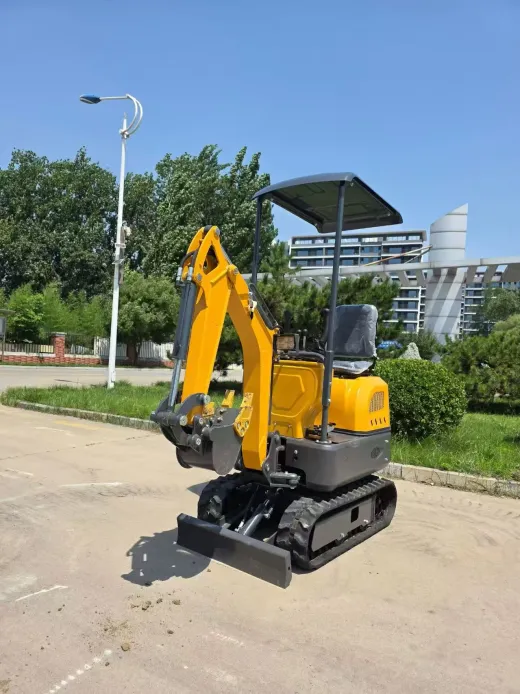
Amphibious Mini Excavators: Working on Water, Marshes & Wetlands
A clear-headed guide to amphibious and floating mini excavators — how pontoon undercarriages work, where they outperform standard machines, their real limitations, and when wide rubber tracks are the smarter choice for wet and soft-ground work.
Read more → Articulating Loaders Explained: Compact & Mini Articulated Loaders
An articulating loader offers superior maneuverability in tight spaces where conventional machines struggle. This guide covers everything buyers need to know about small, compact, and mini articulated loaders — from how they work to what to look for when shopping.
Read more →