










How to Drive and Operate a Skid Steer Loader: A Beginner's Guide
2026-06-28
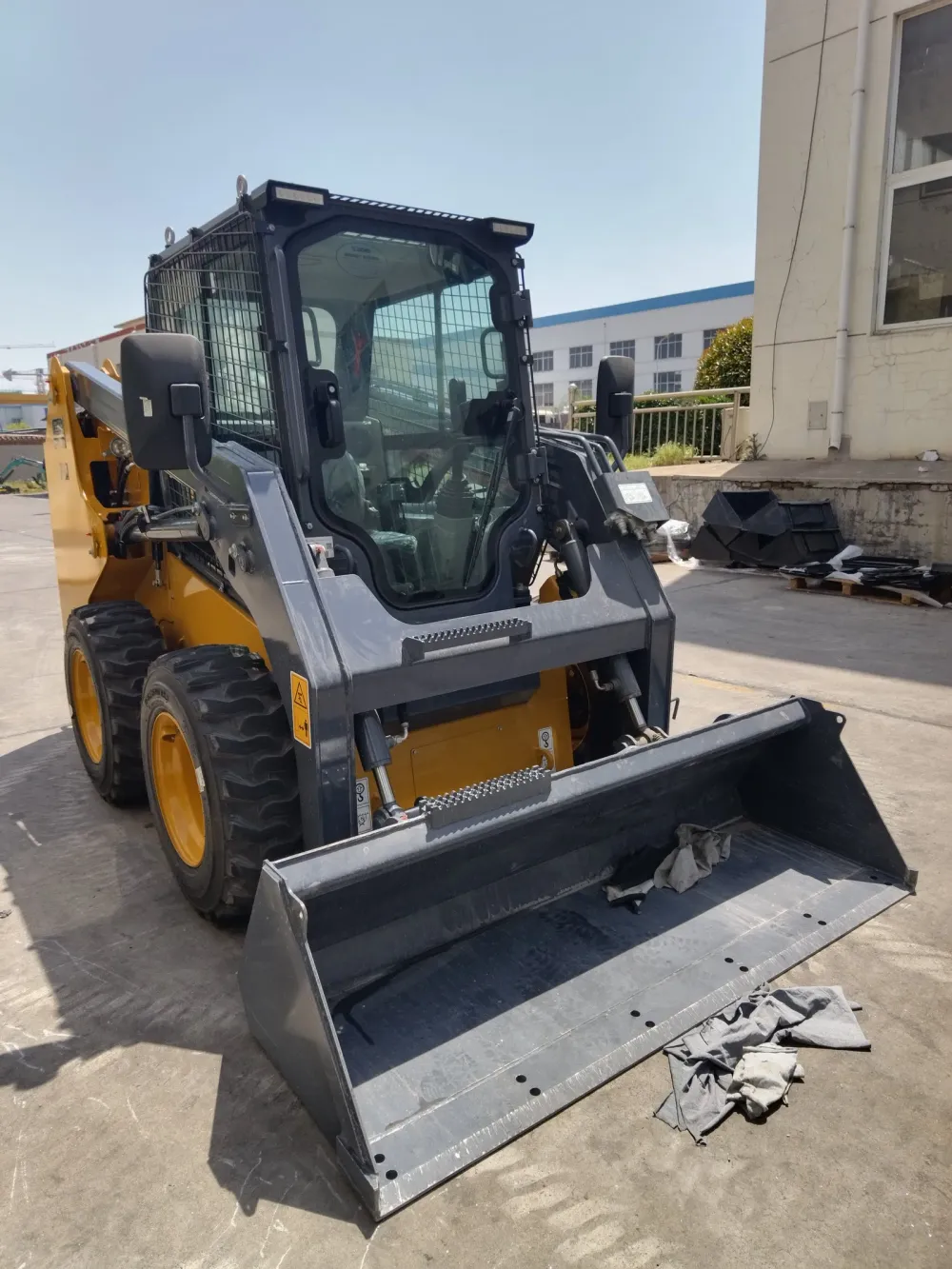
A complete beginner's guide to driving a skid steer loader — covering pre-operation checks, how the controls work, driving on varied terrain, digging techniques, attachment use, safety rules, and an honest look at why building your own skid steer rarely makes sense.
Driving a skid steer for the first time feels counterintuitive. The machine steers by skidding — left and right tracks or wheels run at different speeds, spinning the loader in place — which is unlike any car or tractor most people have driven. Add a lifting arm, a quick-attach coupler, and foot pedals that control the hydraulics, and the first hour in the seat can feel overwhelming. It is not complicated once you break it into steps. This guide walks through everything: pre-operation checks, controls, driving technique, digging, attachment use, and safety. If you have been wondering about the skid steer purpose — why these machines exist and what jobs they are built for — that is answered in the first section before we get to the controls.
What a skid steer is built to do
The skid steer purpose is tight-space versatility. A full-size bulldozer or wheel loader can move more material per pass, but neither can spin in its own footprint, drive through a standard doorway, or swap between a bucket, grapple, auger, and trencher in under a minute. Skid steers do all of that. They are used on construction sites to move soil and rubble, on farms to handle feed and manure, on landscaping jobs to grade and seed, and in warehouses to shift pallets when a forklift cannot reach. The quick-attach coupler is the real multiplier: a single machine with a rack of attachments covers work that would otherwise require several pieces of equipment. If you are considering one for your operation, our skid steer loader models and the full range of skid steer attachments show what is available at each size class.
Pre-operation checks: do these before you start the engine
No experienced operator skips the walkaround. A five-minute check before each shift prevents most mechanical failures and all of the accidents that come from starting a machine in an unknown state.
Work through these in order. Check engine oil, coolant, and hydraulic fluid levels — all three should be at the full mark when the machine is cold and level. Inspect the tracks or tires: tracks should have even tension with no cracks or missing pads; tires should be properly inflated and free of cuts. Look at the lift arms and connecting pins — pins must be seated and the retaining clips locked. Check the quick-attach plate and verify the attachment is fully locked in before lifting it. Test all lights, mirrors, and the backup alarm. Confirm the seat belt is functional; most skid steers will not allow hydraulic function unless the belt is fastened and the lap bar is down. Remove any debris from the cab floor — a rag jammed under a pedal is a genuine hazard.
Start the engine with the attachment lowered to the ground and the parking brake engaged. Let the hydraulic oil warm for a minute or two in cold weather before making any lifts. Check all gauges once running: oil pressure, coolant temperature, and hydraulic temperature should all read in the normal range.
Controls and steering: how to actually drive a skid steer
Driving a skid steer relies on two joysticks or a pair of hand levers, depending on the control pattern the machine uses. The two most common patterns are ISO (also called single-joystick) and H-pattern (two separate levers). Check the decal in the cab — it will show your machine's exact layout. Most modern machines offer both patterns and let the operator switch between them.
In the H-pattern, the left lever controls the left drive (forward pushes it forward, back reverses it) and the right lever controls the right drive identically. To go straight forward, push both levers forward together. To turn right, push the left lever farther forward than the right, or pull the right lever back while the left goes forward. A full counter-rotation spin — the move that defines a skid steer — comes from pushing one lever fully forward while pulling the other fully back. This is how the machine pivots in its own footprint.
Foot pedals or joystick buttons control the lift arms and the tilt of the attachment. On most machines, the left foot pedal raises and lowers the arms; the right tilts the bucket forward and back. Some configurations put both functions on a single joystick with a thumb roller for tilt. Learn the exact pattern on your machine before you move anything with people nearby.
Speed management is the skill that separates new operators from experienced ones. Skid steers can move faster than feels safe on a job site. Keep travel speeds low whenever anyone is within visual range. On slopes, travel straight up and down — never across the face of a slope — and reduce speed further. The machine is top-heavy when the arms are raised; never travel with a load elevated.
Digging with a skid steer: technique that gets results
Digging with a skid steer is a different motion than digging with an excavator. An excavator pulls material toward the machine with a hinged arm; a skid steer pushes the bucket into material, curls it to capture a load, and reverses out. Getting efficient at this motion takes practice, but there is a reliable technique that works on most soil types.
Approach the dig face with the bucket tilted slightly forward — leading edge down at a shallow angle. Drive into the material at low speed with consistent pressure on the drive levers. As the bucket fills, start to curl the bucket back (tilt it toward the machine) while simultaneously raising the lift arms slightly. This scooping motion traps material in the bucket rather than letting it spill over the top. Once the bucket is full and curled back, reverse out, raise the arms to travel height, and carry the load to the dump point.
For harder material, digging with skid steer works best when you use the weight of the machine. Lower the bucket to the ground, apply downward force through the lift arms, and drive forward. Let the machine's weight crack the surface before you try to scoop. On very compacted ground, a tooth bucket or a ripper attachment will do more work than brute-force bucket pressure alone.
Depth control matters. A skid steer bucket is a short tool — it does not reach deep the way an excavator arm does. For trenching deeper than about 12 to 18 inches, a dedicated trencher attachment or an excavator is the right machine. For footings and utility trenches, a trencher attachment on a skid steer is far more efficient than trying to bucket-dig a narrow deep trench.
Common mistakes when digging: driving too fast into the face, which pops the front tires or tracks off the ground and reduces penetration; curling the bucket before the edge has entered the material; and carrying loads with the arms too high, which raises the center of gravity and makes the machine unstable on uneven ground.
Working with attachments safely
A skid steer with attachments is several machines in one. The skid steer attachments range covers buckets, grapples, augers, trenchers, brush cutters, box blades, and more. Each attachment changes how the machine handles, and a few rules apply across all of them.
Always lower the attachment fully to the ground before exiting the cab. Never carry a raised load over people. Check the hydraulic flow requirement of each attachment before connecting it — powered attachments like augers, mulchers, and trenchers require high-flow hydraulics on the machine; standard flow machines will run them too slowly or trip the relief valve continuously. Verify the quick-attach plate is fully latched by raising the attachment a few inches off the ground and shaking the arms sideways before committing to any work cycle.
Grapples and brush cutters in particular produce flying debris. Keep bystanders at least twice the maximum throwing distance — typically 200 feet for a brush cutter at full speed. Wear the appropriate PPE: hard hat, safety glasses, and steel-toed boots as a minimum.
When switching attachments, relieve hydraulic pressure before disconnecting couplers. On most machines this means shutting the engine and cycling the hydraulic controls a few times after shutdown. Pressurized couplers that are forced apart spray hydraulic fluid at high pressure and can cause serious injection injuries.
Why building a skid steer from scratch is almost never worth it
Searches for terms like build a skid steer, build your own skid steer, and mini skid steer plans come up regularly, and the question is understandable: skid steers look mechanically approachable, and there is a long tradition of home-built farm equipment. The reality is harder than it looks.
A production skid steer integrates a purpose-built hydrostatic transmission, a matched hydraulic pump-and-motor circuit, a tipping-load-rated lift arm structure, and an ROPS/FOPS certified cab — all tested and certified together. Replicating that at home means sourcing hydrostatic drive components (expensive and complex to match), fabricating a lift arm structure that will not fatigue and fail under dynamic load, and building controls that are safe and intuitive under stress. The engineering time and material cost of doing this correctly typically exceeds the purchase price of a used production machine by a significant margin.
Mini skid steer plans sold online generally describe small walk-behind or ride-on loaders built around garden tractor components. These can move light material around a property, but they are not comparable in capability or safety to a production machine. They are hobbyist projects, not commercial equipment.
The practical path — even for budget-constrained buyers — is a used production machine or a new entry-level import unit. Our skid steer loader line starts at accessible price points for buyers who need a real working machine without the engineering project. If you have a specific budget, contact us and we can suggest the right size class and configuration for the work you need to do.
Safety rules every operator should know
Skid steers are involved in a disproportionate number of construction equipment fatalities relative to their size. Most incidents fall into a few categories: tip-overs, struck-by (bystanders hit by the machine or material), and crush injuries from the lift arms. All are preventable with consistent habits.
Keep the lap bar and seat belt engaged whenever the machine is moving or the arms are raised. The ROPS cage protects you in a rollover only if you are restrained inside it — exiting the cab while the machine tips is the leading cause of fatal skid steer accidents. Never allow passengers. The seat is designed for one operator; a second person standing on the step or in the cab is at serious risk in any sudden stop or tip event.
Establish and enforce a bystander exclusion zone on every job site. A radius equal to the maximum reach of the arms plus a safety buffer is the minimum. Post a spotter if the work area requires people nearby. Use the backup alarm and check mirrors before reversing — visibility directly behind a skid steer is limited.
On slopes, stay within the rated operating angle for the machine and attachment combination. Wet grass, loose gravel, and mud all reduce effective traction rating. When in doubt, choose a safer path even if it is longer. Carrying loads with the arms elevated on any slope is a tip-over risk and should be avoided entirely.
Inspect the cab structure, seat belt, and lap bar before each shift. A damaged ROPS or non-functional belt is a reason to take the machine out of service until it is repaired. Hydraulic leaks under pressure are also a reason to stop work — never probe for a hydraulic leak with bare skin or use cardboard to find a pinhole; injection injuries from hydraulic fluid are surgical emergencies.
Browse our driving a skid steer range · — we reply within one business day.
Frequently asked questions
How long does it take to learn to drive a skid steer?
Most people can move material safely within two to four hours of supervised seat time. Developing efficient digging technique, smooth load handling, and good spatial awareness in tight spaces typically takes one to two weeks of daily operation. Formal OSHA or manufacturer training is recommended before any commercial work.
What is the skid steer purpose compared to a mini excavator?
A skid steer is faster on open ground, more versatile through quick-attach attachments, and better suited to loading trucks, grading, and surface work. A mini excavator reaches deeper, works in tighter ditching situations, and applies more precise digging force. Many contractors own both because the jobs overlap only partially.
Can you dig a trench with a skid steer bucket?
Yes, to a limited depth. Digging with a skid steer bucket works well for shallow trenches up to about 12 to 18 inches deep and for breaking up soil before scooping. For utility or footing trenches deeper than that, a trencher attachment or a mini excavator will be faster and produce cleaner sidewalls.
What are the most common mistakes when digging with a skid steer?
The most common mistakes are driving into the face too fast (which pops the machine and reduces penetration), trying to dig without a tooth edge on compacted ground, carrying loads with the arms raised too high while traveling, and overcrowding the bucket so material spills before you can reverse out.
Is it actually possible to build your own skid steer?
Mechanically possible, yes. Practical or cost-effective, almost never. Building a skid steer from scratch requires matched hydrostatic drive components, a structurally rated lift arm, and certified ROPS protection. The engineering and parts cost typically exceeds the price of a used production machine. Mini skid steer plans available online describe light-duty homebuilt loaders, not commercial-grade equipment.
What size skid steer do I need for general digging and earthmoving?
A machine with 1,500 to 2,000 lb rated operating capacity covers most residential and light commercial digging work. Larger sites with heavy material or truck-loading requirements benefit from 2,500 lb and above. For confined spaces or residential landscaping, a compact or mini skid steer in the 700 to 1,200 lb range is often easier to maneuver and less damaging to turf.
How do I safely exit a skid steer?
Lower the attachment fully to the ground, engage the parking brake, lower the lap bar, shut off the engine, and wait for all moving parts to stop before unbuckling and exiting. Never exit the machine while the arms are raised or the engine is running unless you have blocked the arms with a dedicated safety prop. Exiting with the arms raised and unsupported is a crush hazard.
Related articles
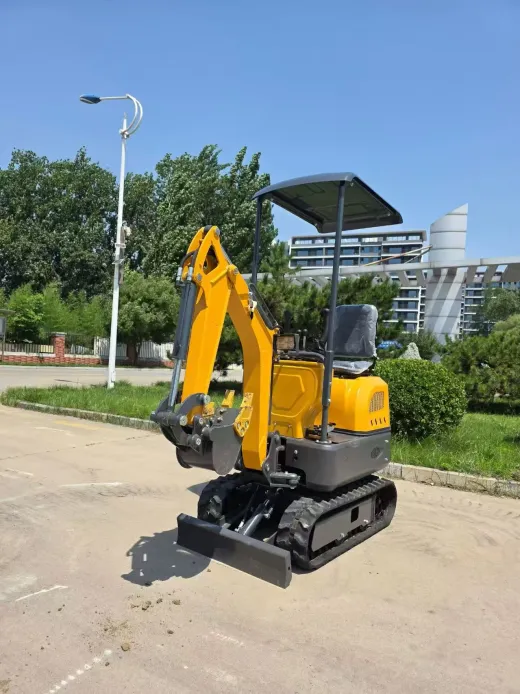
How to Operate a Mini Excavator: Controls, Techniques & Safety
A practical step-by-step guide to operating a mini excavator safely — covering cabin controls, swing and travel, basic digging technique, and what a micro digger driver needs to know before the first shift.
Read more → Largest Digger in the World — And What Most Buyers Actually Need
From the Bagger 293 bucket-wheel to the Cat 6090 mining giant, the world's largest diggers are engineering spectacles — but they have nothing to do with what most buyers actually need. Here's the full story, from record-breaking monsters to the compact machines that get real work done.
Read more →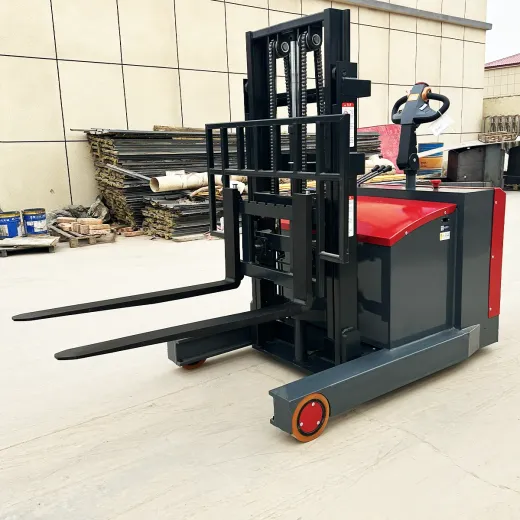
Reach Truck Operator: Skills, Training, and What the Job Actually Involves
A complete guide to the reach truck operator role: what you do on the job every day, the skills and certification you need, safety rules that matter, and how the right machine makes every shift easier.
Read more →