










Best Rubber Tracks for a Mini Excavator: When to Replace and How to Choose
2026-06-12
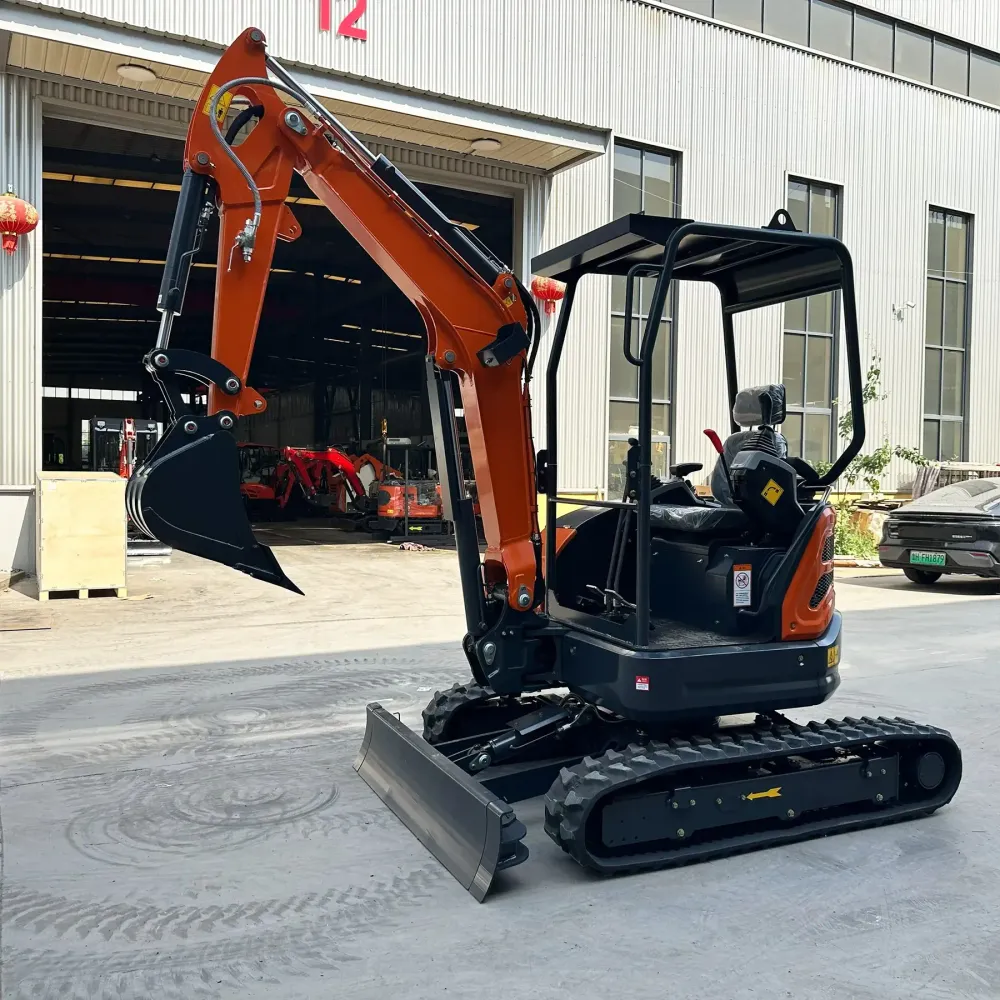
How to pick the best rubber tracks for a mini excavator, when to replace them, rubber versus steel, and the care habits that double track life. A practical guide for owners, not a parts catalog.
Tracks are the one part of a mini excavator that you're guaranteed to replace, and most owners spend more on them over the machine's life than they expect. Choosing the best rubber tracks for a mini excavator isn't about chasing a brand — it's about getting the right size, knowing when a track is worn out, and running the machine in a way that doesn't chew through tracks early. This guide covers all three, written for owners who want the tracks to last, not for a parts catalog. Get it right and a set lasts; get it wrong and you're buying tracks twice as often as you should.
Get the size right first
Before anything else, a track has to fit. Rubber tracks are sized by three numbers: width, pitch, and the number of links. All three have to match your machine — the wrong width won't seat, the wrong pitch slips the drive, and the wrong link count won't tension correctly. The size is stamped on the existing track and listed on the machine's spec sheet.
This is also where buying a machine on an obscure undercarriage bites you. If the track size is rare, replacements are expensive and slow to source. One reason we build our mini excavator range on common track sizes is so owners can get a replacement set quickly and cheaply wherever they are — track availability is part of choosing the machine, not just the track. Our sizes guide covers how weight class and undercarriage relate.
When to replace a rubber track
A track doesn't fail all at once. It tells you it's wearing out if you know where to look:
- Lug height — the drive lugs and ground bars wear down. When the tread is low and traction goes, the track is near the end.
- Cracks — fine surface cracks are normal aging, but deep cracks between lugs or across the body mean the carcass is failing.
- Exposed cords — if you can see the steel cords or fabric through the rubber, replace it now. A blown-out track on site is a bad day.
- Missing lugs or chunks — torn-off lugs reduce traction and signal abuse or age.
Don't run a track to total failure. A track that lets go in a trench or on a slope can damage the undercarriage and strand the machine. Replace at worn, not at broken.
Rubber versus steel: pick for your ground
Most mini excavators run rubber tracks, and for good reason — they don't tear up finished surfaces, they ride smoother, they're quieter, and they're standard for landscaping, utility, and rental work. The question of rubber vs steel tracks comes down to your ground:
- Rubber is the right default for sensitive surfaces, paved areas, and general work.
- Steel tracks or bolt-on steel pads last far longer on abrasive rock, in rebar-strewn demolition, and on sharp aggregate, where rubber gets cut and chunked fast.
If you alternate between finished surfaces and rough ground, bolt-on rubber pads over steel tracks are a compromise some owners use. For most buyers on most jobs, rubber is correct — switch to steel only when your ground is genuinely destroying rubber.
How to choose a replacement track
Once you know your size, a few things separate a track that lasts from one that doesn't:
- Carcass construction — continuous steel cords and a quality rubber compound resist stretching and cracking. This is what you're really paying for.
- Tread pattern — match it to your work; aggressive bars for traction, flatter tread for paved surfaces.
- Compound — a harder, cut-resistant compound suits abrasive ground; a softer one rides better on finished surfaces.
The cheapest track is rarely the best value. A budget track with a weak carcass stretches, cracks, and de-tracks early, and you replace it sooner. Pay for a sound carcass and the cost per hour comes out lower.
Care habits that double track life
How you run the machine matters as much as which track you buy. The habits that wear tracks out early are avoidable:
- Tension correctly — too tight stresses the carcass and drive; too loose lets the track slip and de-track. Set it to spec and check it.
- Don't spin the tracks — spinning on hard or abrasive ground grinds the lugs off. Ease into traction.
- Avoid sharp turns on rough surfaces — counter-rotating on aggregate tears lugs. Use wider, gentler turns.
- Keep them clean — packed mud, rock, and debris in the undercarriage accelerate wear; clean the rollers and idlers.
- Watch what you drive over — rebar, broken concrete, and sharp scrap cut rubber. Pick your path.
None of this is hard, and together it's the difference between getting full life out of a set and replacing tracks early.
A quick track maintenance checklist
Run through these and tracks become a predictable cost instead of a surprise one:
- Check tension to spec at regular intervals
- Inspect for deep cracks, exposed cords, and missing lugs
- Clean debris from the undercarriage after dirty work
- Match track type and compound to your ground
- Replace at worn, before total failure strands the machine
Tracks are a wear item, not a defect — budget for them, watch for the warning signs, and run the machine in a way that doesn't punish them, and a set will give you the hours it's meant to.
Browse our mini excavator range · — we reply within one business day.
Frequently asked questions
How long do rubber tracks last on a mini excavator?
Track life varies widely with ground type and how the machine is run — abrasive rock, spinning the tracks, sharp turns, and over-tensioning all shorten it, while clean undercarriages, correct tension, and gentle handling extend it. Rather than a fixed hour figure, judge by condition: replace when lug height is low, cracks run deep, or cords show through.
When should I replace a rubber track?
Replace when the drive lugs and tread are worn low, when you see deep cracks between or across the lugs, when steel cords or fabric show through the rubber, or when lugs are torn off. Don't run a track to total failure — a blowout in a trench or on a slope can damage the undercarriage and strand the machine, so replace at worn rather than broken.
Rubber or steel tracks — which is better?
It depends on your ground. Rubber is the right default for finished surfaces, paved areas, and general landscaping and utility work because it rides smooth and doesn't tear up surfaces. Steel tracks or bolt-on steel pads last far longer on abrasive rock and in rebar-strewn demolition, where rubber gets cut and chunked. Switch to steel only when the ground is genuinely destroying rubber.
How do I make rubber tracks last longer?
Set tension to spec and check it regularly, avoid spinning the tracks on hard ground, make wider gentle turns instead of sharp counter-rotations on abrasive surfaces, keep debris out of the undercarriage, and avoid driving over rebar and sharp scrap. These habits, plus buying a track with a sound steel-cord carcass, are what get full life out of a set.
Related articles
How Long Do Forklift Batteries Last? Lithium vs Lead-Acid and How to Extend Life
How long forklift batteries last, lithium versus lead-acid lifespan, how charge cycles work, and the care habits that add years to an electric forklift battery. A practical lifespan guide for fleet owners.
Read more →
Skid Steer Weight: Operating Weight by Class, Mini to Large Frame
How much does a skid steer weigh? It depends on frame class, undercarriage, and whether you mean operating weight, shipping weight, or rated capacity. This guide breaks down skid steer weight from stand-on minis to large-frame machines, explains tracked vs wheeled weight differences, and covers what the number means for trailer selection and towing rules.
Read more →
Amphibious Mini Excavators: Working on Water, Marshes & Wetlands
A clear-headed guide to amphibious and floating mini excavators — how pontoon undercarriages work, where they outperform standard machines, their real limitations, and when wide rubber tracks are the smarter choice for wet and soft-ground work.
Read more →