










How Long Do Forklift Batteries Last? Lithium vs Lead-Acid and How to Extend Life
2026-06-12
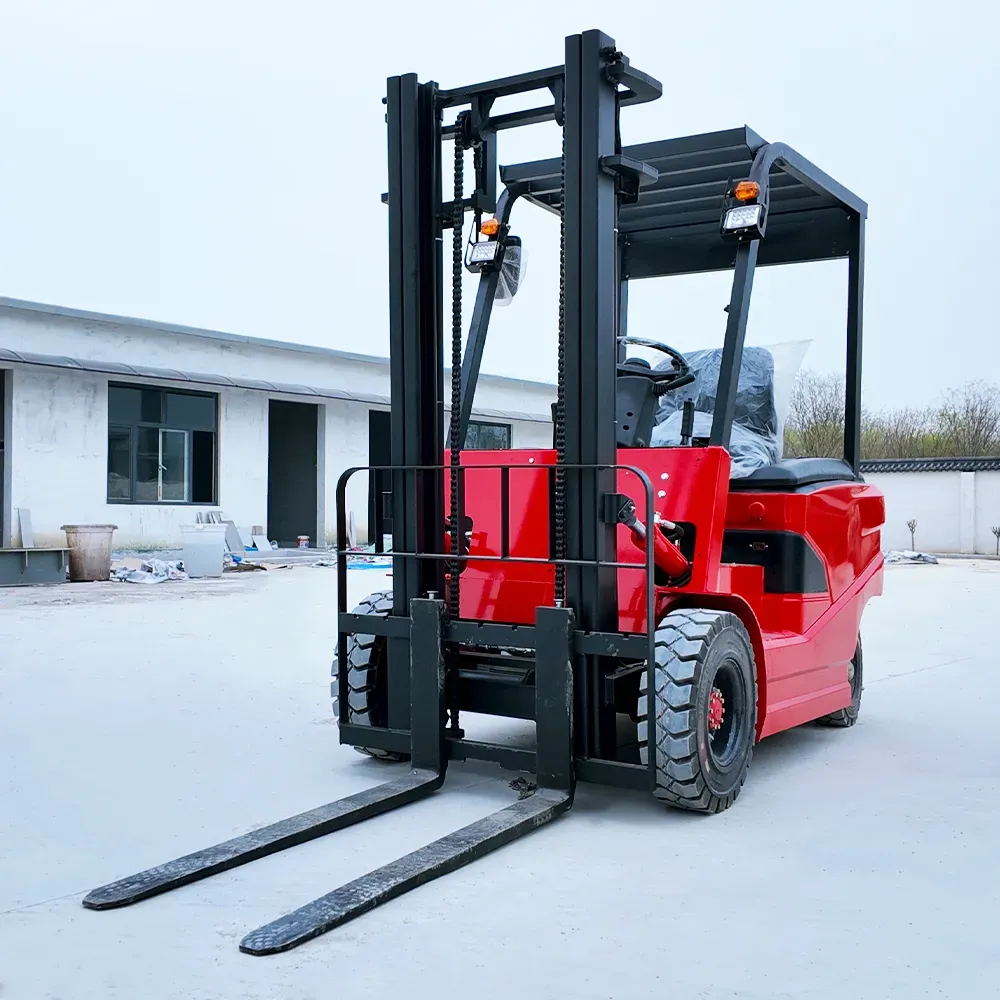
How long forklift batteries last, lithium versus lead-acid lifespan, how charge cycles work, and the care habits that add years to an electric forklift battery. A practical lifespan guide for fleet owners.
How long a forklift battery lasts is the question that decides how often you'll replace it — and the answer depends far more on how you treat it than on the badge on the side. The battery is the heart of an electric forklift, and the two main chemistries, lead-acid and lithium-ion, age in very different ways. This guide explains how forklift battery life actually works, how lithium and lead-acid compare, how charge cycles count down, and the care habits that add years to a battery. We're not covering price here — that's a separate question — only lifespan and the things under your control that change it.
How forklift battery life is measured
Forklift battery life isn't really measured in years — it's measured in charge cycles. A charge cycle is one full discharge and recharge, and every battery has a finite number of them in it before its capacity fades to the point where it can't hold a shift. Two trucks bought the same day can have very different battery lives if one is worked twice as hard as the other.
What that means in practice: a battery in a light, single-shift operation can last for years, while the same battery in a hard, multi-shift operation runs through its cycles much faster. When someone asks how long a forklift battery lasts, the honest answer is "it depends on how many cycles you put through it and how well you care for each one."
Lead-acid lifespan and what shortens it
A lead-acid battery has a respectable cycle life if it's looked after, but it's unforgiving of neglect. The things that shorten it are specific and avoidable:
- Deep discharging — running it flat before recharging strains the plates and cuts cycle life sharply.
- Missing watering — the cells need topping up with distilled water; let them run dry and the plates are damaged permanently.
- Skipping equalizing charges — periodic equalizing keeps the cells balanced; skip it and capacity drifts down.
- Heat — charging in a hot room or working the battery hot accelerates aging.
Do the maintenance and a lead-acid battery gives you its full life. Neglect it and it can fail in a fraction of the time, which is why the chemistry has a reputation for being short-lived when really it's been mismanaged.
Lithium lifespan and why it usually lasts longer
Lithium-ion batteries generally deliver more charge cycles than lead-acid, and they tolerate the things that kill lead-acid. They handle partial charging without harm, don't need watering or equalizing, and degrade more gradually rather than failing off a cliff. For an operation that runs hard, that longer cycle life often translates into fewer replacements over the life of the fleet.
Lithium isn't immune to wear — heat and constant operation at extremes still age it — but it's far more forgiving of real-world use. The practical upshot is that on a busy, multi-shift fleet, lithium tends to outlast lead-acid by a meaningful margin while needing almost none of the upkeep. Our electric forklift range covers both chemistries so you can match the battery to how hard you run.
How charging habits change battery life
More batteries are killed by bad charging than by age. The habits that matter:
- Don't run lead-acid flat — recharge before deep discharge; partial discharge is easier on the plates.
- Avoid opportunity charging lead-acid — frequent short top-ups suit lithium but stress lead-acid; lead-acid prefers a full, controlled charge.
- Let charging finish — interrupting a lead-acid charge before it completes leaves it unbalanced over time.
- Charge cool — both chemistries last longer charged in a ventilated, temperate space rather than a hot corner.
- Use the right charger — a charger matched to the battery's chemistry and capacity protects cycle life.
The single most useful rule is to charge the way the chemistry wants: lead-acid likes full, controlled charges and hates being run flat; lithium is happy with quick opportunity top-ups.
Care habits that add years
Beyond charging, a few routine habits stretch a battery's working life:
- Keep it clean and dry — corrosion on terminals and spilled electrolyte shorten life and create faults.
- Water lead-acid on schedule — top up with distilled water after charging, never before, and never overfill.
- Store charged — a battery left flat for long periods degrades; keep it topped up if the truck sits.
- Watch the temperature — extreme heat and deep cold both age batteries; a temperate charging area helps.
- Log and inspect — track cycles and capacity so you catch a fading battery before it strands a shift.
None of this is complicated, and together it's the difference between a battery that reaches its rated life and one that fades early. Care is the cheapest way to extend battery life there is.
Knowing when a battery is at the end
A battery near the end of its life tells you: it holds less charge and can't finish a shift, it takes longer to charge, it runs hotter, and on lead-acid the capacity readings drift down despite watering and equalizing. When capacity has faded to the point where it can't carry your shift even after a full charge, it's done.
Plan replacement before that point rather than after. A battery that dies mid-shift strands the truck and stalls the work, which costs more than swapping a battery you knew was fading. Track the cycles and capacity, and replacement becomes a scheduled job instead of an emergency. If you're weighing the replacement decision on cost grounds, our forklift battery cost guide covers the total-cost side of lithium versus lead-acid.
Browse our electric forklift range · — we reply within one business day.
Frequently asked questions
How long do forklift batteries last?
It's measured in charge cycles rather than years, so it depends on how hard the truck is worked and how well the battery is maintained. A battery in a light single-shift operation can last for years, while the same battery in a hard multi-shift operation runs through its cycles much faster. Good charging and care habits can add years; neglect can cut life to a fraction.
Does a lithium forklift battery last longer than lead-acid?
Generally yes. Lithium-ion typically delivers more charge cycles, tolerates partial charging, doesn't need watering or equalizing, and degrades gradually instead of failing suddenly. On a busy multi-shift fleet it usually outlasts lead-acid by a meaningful margin while needing almost no upkeep. Lead-acid can reach its full life too, but only with disciplined maintenance.
What kills a forklift battery early?
For lead-acid, the main culprits are deep discharging, missed watering, skipped equalizing charges, and heat — all of which damage the plates. For both chemistries, charging in a hot space, using the wrong charger, and letting a battery sit flat shorten life. Most batteries that fail early were mismanaged rather than defective.
How do I know when to replace a forklift battery?
Replace it when it can no longer finish a shift on a full charge, takes much longer to charge, runs noticeably hotter, or — on lead-acid — keeps losing capacity despite proper watering and equalizing. Plan the replacement before that point, because a battery that dies mid-shift strands the truck and costs more in lost time than a scheduled swap.
Related articles
Best Rubber Tracks for a Mini Excavator: When to Replace and How to Choose
How to pick the best rubber tracks for a mini excavator, when to replace them, rubber versus steel, and the care habits that double track life. A practical guide for owners, not a parts catalog.
Read more →
Skid Steer Weight: Operating Weight by Class, Mini to Large Frame
How much does a skid steer weigh? It depends on frame class, undercarriage, and whether you mean operating weight, shipping weight, or rated capacity. This guide breaks down skid steer weight from stand-on minis to large-frame machines, explains tracked vs wheeled weight differences, and covers what the number means for trailer selection and towing rules.
Read more →
Amphibious Mini Excavators: Working on Water, Marshes & Wetlands
A clear-headed guide to amphibious and floating mini excavators — how pontoon undercarriages work, where they outperform standard machines, their real limitations, and when wide rubber tracks are the smarter choice for wet and soft-ground work.
Read more →