










Mini Excavator Uses: Landscaping, Trenching, Trails, Stumps and More
2026-06-12
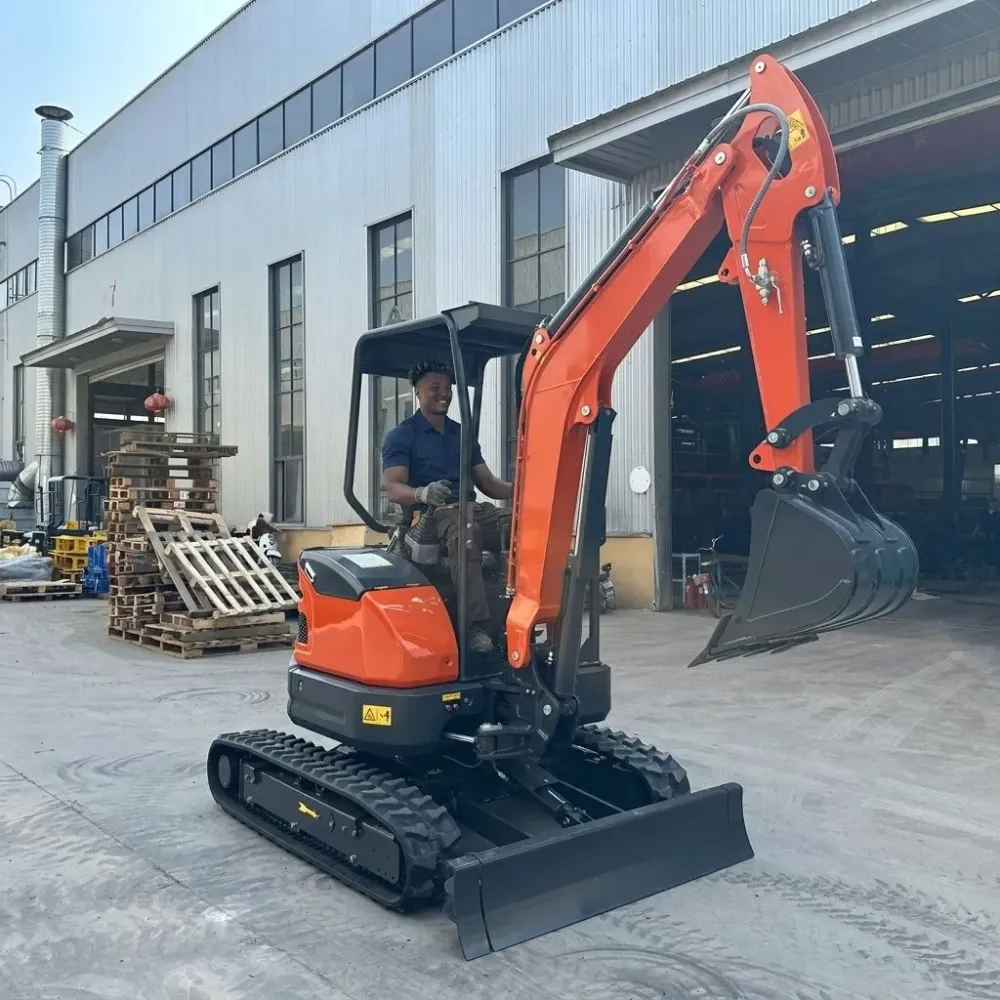
A mini excavator for landscaping, trenching, trail building, stump work, post holes and backyard projects earns its keep fast. Here are the jobs a compact digger does best and how to set one up for each.
A mini excavator earns back its price not on one big job but on the steady stream of small ones a crew would otherwise dig by hand or skip entirely. The compact size that makes it fit through a gate is the same thing that makes it the right tool for landscaping, utility trenches, trail work, and pulling stumps. This is a look at the jobs a compact digger does best — and what to put on the end of the arm for each one.
None of this requires the biggest machine you can buy. Most of these tasks are squarely in the 1 to 3.5 ton range, where the machine still fits tight sites and trailers behind a pickup.
Landscaping: the bread-and-butter job
Mini excavator landscaping is where a compact machine spends most of its working life, because the tasks are exactly what the form factor is shaped for: moving earth in confined residential spaces without tearing up everything around it. The best mini excavator for landscaping — and in British usage, the best mini digger for the same work — is the one that fits the gate, reaches the trench depth, and runs on rubber tracks that won't damage finished surfaces.
- Grading and leveling beds, pads, and lawns with a wide grading bucket.
- Digging planting holes for trees and shrubs far faster than a crew with shovels.
- Pond and water-feature excavation, where the precise control of a hydraulic arm shapes the basin cleanly.
- Moving and placing boulders and material with a thumb attachment.
On finished or soft ground, rubber tracks are what make this work — they spread the weight and don't chew up turf and pavers the way a wheeled machine would. A mini landscape excavator for tight residential yards prioritizes narrow transport width and retractable tracks over raw dig force. If you're still deciding which size and setup fits your work, our guide on how to choose a mini excavator walks through weight class, access width, and attachments in detail.
Trenching: utilities, irrigation and drainage
A mini excavator for trenching is the job most owners buy the machine for. Hand-digging a trench for a water line, electrical conduit, irrigation, or French drain is brutal, slow work; a compact digger turns a day into an hour. Thought of another way, a mini excavator is simply the most versatile mini trench digger available — unlike a dedicated chain trencher or mini trenching machine that cuts one width and nothing else, a compact excavator swaps between bucket widths and then switches to grading, stump removal, or material handling in the same afternoon.
The trick to clean trenching is matching bucket width to the job. A narrow trenching bucket — often 12 inches or less — cuts a tidy, straight-walled trench for pipe and conduit without removing more spoil than you have to backfill. A wider bucket is for drainage and bigger services. When comparing a mini excavator against a dedicated small machine to dig trench or small ditch digging machine, the excavator wins on versatility: the dedicated trencher is faster on long straight runs in consistent soil, but the excavator does everything else on the site too.
Digging trench with mini excavator — or more precisely, digging a trench with a mini excavator — requires confirming the machine reaches the depth your utility or frost line requires before you buy. Check that on the spec sheet rather than guessing from the weight badge. A quick coupler lets you swap from a wide grading bucket to a narrow trenching bucket in seconds, which is what makes a single machine practical across landscaping and trenching with mini excavator in the same day. Whether you're searching for a mini trench digger for sale or a small trench digger for sale, a compact excavator with a narrow bucket covers the brief and adds everything a single-purpose machine can't do.
Trail building: tight access, light footprint
For trail crews — mountain bike singletrack, hiking paths, park routes — the compact excavator has quietly become the standard tool, and the best mini excavator for trail building is usually one of the smaller classes precisely because the work is in places nothing bigger can reach.
- Narrow access through woods and existing trail corridors, where a 1 ton machine fits and a full-size one can't.
- Bench cutting a level tread into a hillside, shaping berms, and pulling drainage — all with the fine control of a hydraulic arm.
- Low ground pressure on rubber tracks that disturbs the surrounding ground far less than a wheeled machine.
Trail work is also where variable-width undercarriages pay off: the tracks pull in to thread a tight corridor, then spread for stability while the machine reaches out to cut the bench.
Stump and root removal
Pulling a stump is one of the most satisfying things a compact machine does, and the best mini excavator for digging stumps is the one set up to attack the roots, not just the trunk. The technique is to dig around the stump to expose and sever the major roots, then use the bucket — or a thumb — to lever and lift the whole root ball out.
A hydraulic thumb turns the machine into a grab here, letting it grip the stump and root ball to wrestle it free and then load it out. For bigger stumps you work the soil away first so the machine's breakout force levers against severed roots rather than fighting the full anchored root system at once. It's faster and cleaner than grinding for anything you intend to fully remove rather than just cut flush.
Land clearing and general site prep
Beyond the headline jobs, a compact digger is a workhorse for land clearing on a small scale — pulling brush and small trees, grubbing roots, clearing a building footprint, and rough-grading a lot before construction. The best mini excavator for land clearing needs enough breakout force to uproot brush and small trees, and ideally a grapple attachment for sorting debris efficiently. It won't replace a dozer on acreage, but for a residential lot or a defined work area it does the job without the cost and access headache of full-size iron.
This is also where the best mini excavator for mulching question comes up. A dedicated mulching head on a compact excavator is possible with the right high-flow hydraulic auxiliary circuit, turning the machine into a brush-clearing tool. Without that, a grapple for brush pickup and a separate chipper or mulcher is the practical approach for most light land clearing. Each attachment opens a whole job type — spec the work you'll actually do, now and in a year.
Post holes, backyard projects, and digging with mini excavator
Digging post holes with mini excavator is one of those jobs that looks like it needs a specialized tool but is actually simpler with a compact excavator than with a dedicated post-hole digger. An auger attachment on the quick coupler drills clean holes to depth, and the excavator's arm positions the tool precisely without manual effort. For a fence line, a deck, or a signpost installation, this covers the job faster and cleaner than hand-powered alternatives.
The mini excavator for backyard market has grown steadily as homeowners discover that a micro or 1-ton machine, rented by the day, turns a weekend landscaping project into a few hours of productive work. Digging with mini excavator at this scale — garden reshaping, raised bed installation, small pond excavation, utility line trenching in a residential yard — falls squarely in the micro-to-1-ton range. The machine fits through a standard gate, sits lightly on lawn, and can be returned without needing a lowbed trailer. For homeowners weighing whether to hire a mini digger landscaping contractor or rent the machine themselves, the rental option makes sense when the project involves multiple tasks in the same week.
Setting one machine up for all of it
The reason a compact excavator pays for itself is that one machine, with the right couplers and a small kit of attachments, covers every job above. A practical starter setup looks like:
- A digging bucket and a wider grading bucket for earthwork
- A narrow trenching bucket for utilities and drainage
- A quick coupler so swaps take seconds, not minutes
- A hydraulic thumb for stumps, rock, and material handling
Size the machine to the heaviest of these jobs you do regularly — for most landscaping, trenching, and trail work that's the 1 to 3.5 ton range — and rent up for the rare bigger dig. Browse our mini excavator range to line up dig depth, reach, and attachment options against the work you actually do.
Browse our mini excavator range · — we reply within one business day.
Frequently asked questions
What is a mini excavator best used for?
Compact digging jobs in tight spaces: landscaping (grading, planting holes, ponds), utility and drainage trenching, trail building, stump and root removal, post hole drilling, and small-scale land clearing and site prep. Its small size and rubber tracks let it work confined residential sites and finished surfaces that a full-size machine can't reach without damage.
What size mini excavator is best for landscaping and trenching?
For most landscaping and trenching, the 1 to 3.5 ton range is the sweet spot — enough dig depth and breakout for utility trenches and earthwork, while still fitting tight sites and trailering behind a pickup. Confirm the machine reaches the trench depth your utility or frost line needs by checking the spec sheet, not the weight badge.
Can a mini excavator remove tree stumps?
Yes. The method is to dig around the stump to expose and sever the main roots, then use the bucket or a hydraulic thumb to lever and lift the root ball out. A thumb attachment lets the machine grip and wrestle the stump free and load it out. For stumps you want fully removed rather than ground flush, it's faster and cleaner than grinding.
What attachments make a mini excavator more useful?
A quick coupler plus a small kit: a digging bucket and wider grading bucket for earthwork, a narrow trenching bucket for utilities, a hydraulic thumb for stumps and material handling, and job-specific tools like an auger, breaker, or compaction plate. Each attachment opens a whole new task, which is why one machine with the right kit covers landscaping, trenching, trails, and clearing.
Is a mini excavator better than a dedicated trenching machine?
A dedicated chain trencher or mini trenching machine is faster on long straight runs in consistent soil. But a mini excavator does everything else on the site — grading, stump removal, material handling, post holes — which a single-purpose trencher cannot. For most small contractors and property owners, the versatility of a compact excavator with a narrow bucket is better value than a dedicated trenching machine.
Can I use a mini excavator for backyard projects?
Yes — micro and 1-ton class machines are well suited to backyard landscaping, garden reshaping, small pond excavation, raised bed installation, and utility trenching on residential sites. They fit through a standard gate, sit lightly on lawn on rubber tracks, and can often be rented by the day for short projects without needing a lowbed trailer.
Can a mini excavator dig post holes?
Yes. An auger attachment on the quick coupler drills clean post holes to depth. This is faster and more precise than manual post-hole diggers for fence lines, deck posts, or signpost installations. The auger swaps on in seconds with a quick coupler and the excavator's arm positions it exactly where you need it.
Related articles
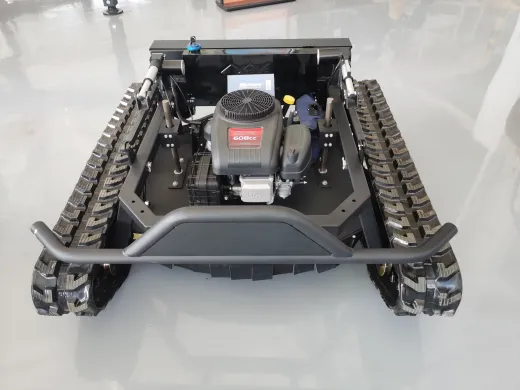
Best Mower for Steep Slopes and Hills: How to Choose Safely
Finding the best mower for steep slopes, hills, and banks — from push mowers and riding mowers to tracked zero-turn conversions and remote-control slope mowers. Safety grades, robot mower limits, and what commercial operators actually use.
Read more →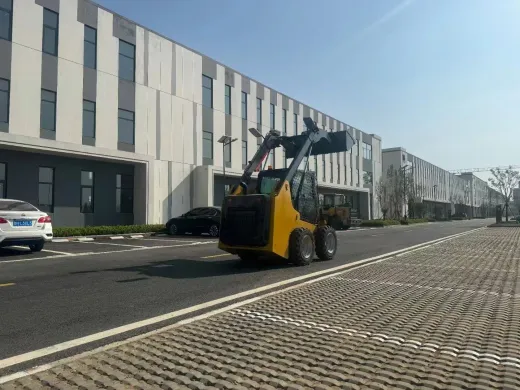
Best Skid Steer for Mulching, Land Clearing and Snow Removal
The best skid steer for mulching, land clearing or snow removal isn't one model — it's the right hydraulic flow, traction and attachment for the job. Drum mulcher vs disc, brush hog vs flail mower, stump grinder vs tree shear: here's how to spec the machine and pick every attachment.
Read more →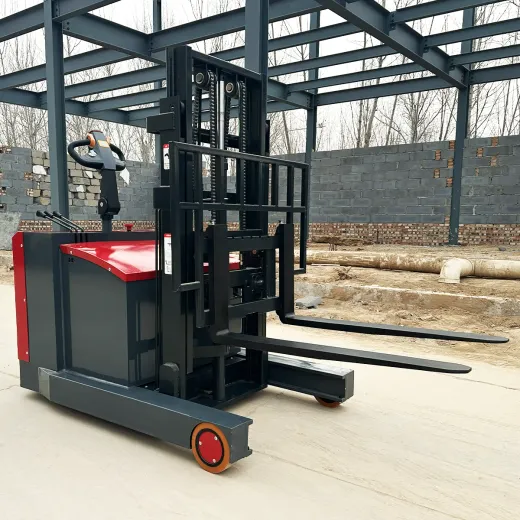
Forklifts for Narrow Aisles: Reach Trucks, Stackers and Aisle Math
Choosing forklifts for narrow aisles comes down to aisle width versus storage density. Here's how reach trucks and stackers stack up, and how to find the best narrow aisle forklift for your racking.
Read more →