








Skid Steer Sweeper & Broom Attachments: Types, Sizing, and Buying Tips
2026-06-28
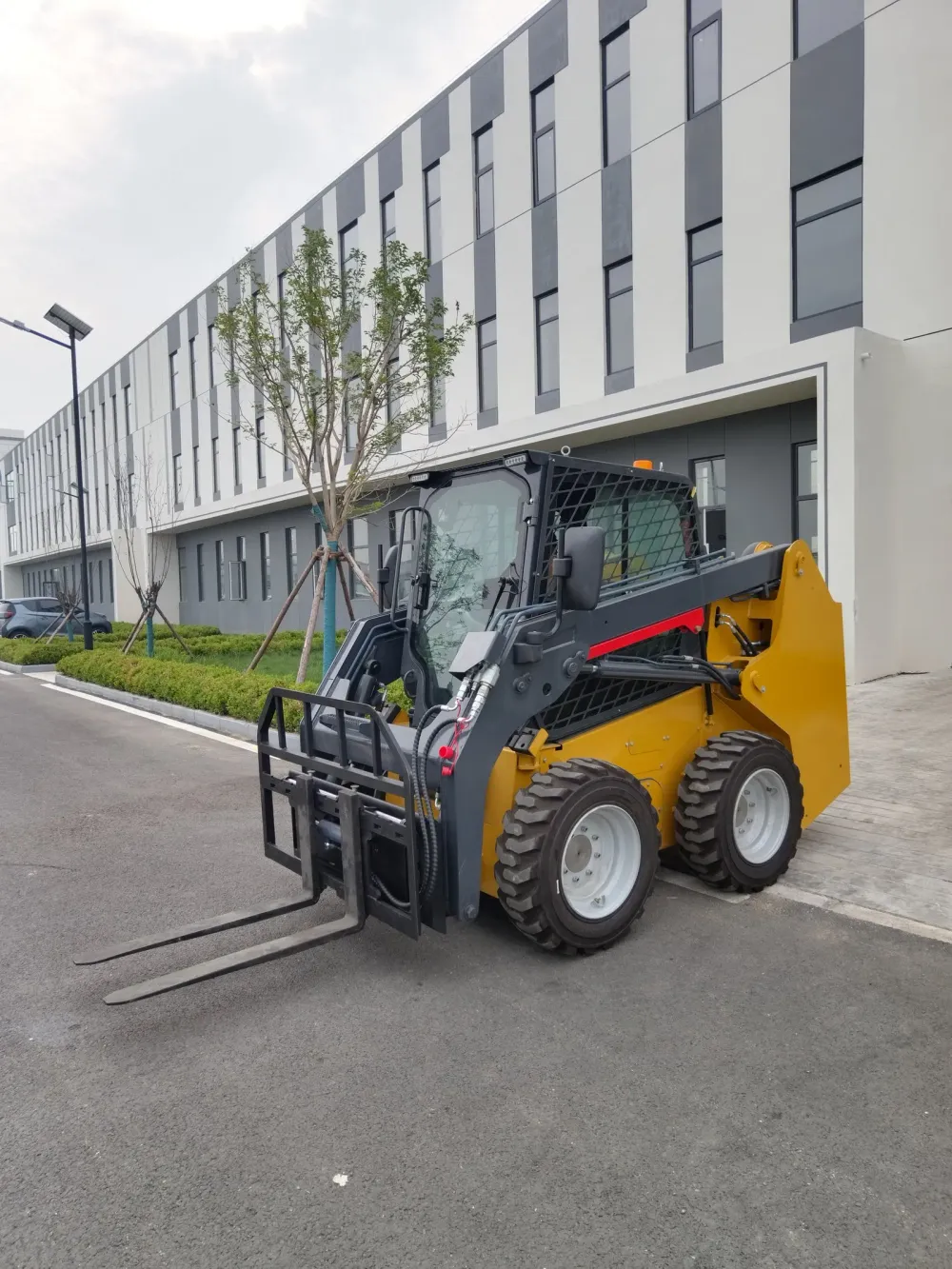
A skid steer sweeper attachment can clean a jobsite, parking lot, or construction pad in a fraction of the time it takes a walk-behind. This guide breaks down every major broom type — pick-up, box, and angle — explains how to size one to your machine, and gives you the questions to ask before you buy.
A skid steer sweeper turns your loader into a full-time cleaning machine. Whether you are clearing construction debris off a concrete slab, sweeping gravel back onto a driveway, or keeping a warehouse floor clean between shifts, the right skid steer sweeper attachment gets the job done in one pass. The problem is that the category covers three fundamentally different tool types — pick-up brooms, box brooms, and angle brooms — and the wrong choice costs you time, money, and bristles. This guide walks you through each type, explains how to match one to your skid steer loader, and covers the specifications that separate a productive attachment from a frustrating one.
The Three Main Types of Skid Steer Broom Attachments
Every skid steer broom falls into one of three families. Understanding the difference is the single most important decision you will make.
- Skid steer pickup broom — Also called a skid steer pickup broom with dump bucket, this is a rotary brush paired with an integrated collection hopper. The brush sweeps material up, an impeller or conveyor throws it into the bucket, and you dump it when the bucket is full. It is the most versatile type for debris-heavy work: parking lots, construction sites, and municipal street cleaning. If you search for a sweeper bucket skid steer or a skid steer sweeper bucket, you are looking at this category. The skid steer broom bucket capacity typically ranges from 5 to 12 cubic feet depending on model width.
- Skid steer box broom — A box broom for skid steer (also called a box sweeper for skid steer or skid steer broom sweeper) uses a cylindrical brush inside a housing to sweep debris to one side or out the back. There is no collection hopper — material piles at the edge and you push it to a designated area. Box brooms are lighter, cheaper, and perfectly suited for snow removal, light debris, and surface preparation where containment is not critical.
- Skid steer angle broom — The brush is mounted at an adjustable angle (typically 25–30 degrees off center) so material sweeps out to the side as you drive forward. An angle broom excels at clearing roads, shoulders, bike paths, and warehouse aisles where you want debris pushed to a curb or edge rather than collected. You will see this sold as a skid steer push broom in some catalogs.
Pick-Up Broom in Depth: When Containment Matters
If you are dealing with sand, gravel, leaves, wood chips, or mixed construction debris, a skid steer pickup broom for sale search is where you should start. The defining feature is the hopper: you sweep and collect in a single pass without stopping to rake or load. Look for these specifications when evaluating a skid steer pickup broom with dump bucket:
- Brush diameter and width — Most units run 48 to 72 inches wide. Wider means more coverage per pass but more hydraulic demand.
- Brush RPM — Higher RPM moves more material but wears skid steer broom bristles faster on abrasive surfaces. Look for an adjustable-speed motor if you sweep both concrete and gravel.
- Hopper capacity and dump height — A skid steer broom with bucket attachment needs to dump cleanly into a truck bed or dumpster. Check the dump height against your typical receptacle.
- Hydraulic flow requirement — Pick-up brooms are the most hydraulically demanding sweeper type, typically requiring 15–30 GPM. Match this to your machine's auxiliary circuit before buying.
The skid steer power broom label is often applied to pick-up units specifically because of their active hydraulic drive, distinguishing them from passive push brooms.
Box Broom and Angle Broom: Lighter Work, Lower Cost
A skid steer box broom is the entry point for operators who need to sweep regularly but do not need to collect the material. Snow removal is the classic application: you sweep the parking lot, push snow to the edge, and done. The same logic applies to sweeping aggregate back onto an unpaved road after rain, or clearing loose dirt off a concrete pour before inspection.
The mini skid steer rotary broom segment follows the same principle scaled down — compact track loaders and mini skid steers in the 700–1,500 lb operating capacity range accept narrower 48-inch box brooms that suit tight spaces like sidewalks, courtyards, and garden paths. If you run a mini skid broom on a track loader, verify that the universal skid steer coupler on the attachment matches your machine's plate size.
An skid steer angle broom for sale listing will specify the angle range and whether it adjusts hydraulically or manually. Hydraulic angle adjustment — controlled from the cab — is worth the premium when you are sweeping both sides of a road or constantly changing direction. Manual adjustment is adequate for dedicated single-direction work.
Some operators use a sweeper broom for skid steer in tandem with a bucket: the broom pushes material into a corner, then the operator switches to a bucket to scoop and load. This two-attachment workflow is common on renovation sites where debris volume exceeds what a pick-up broom hopper can handle efficiently.
Sizing a Sweeper to Your Machine and Job
Matching a skid loader sweeper to the machine comes down to three numbers: operating weight class, hydraulic flow, and coupler compatibility.
- Operating weight and frame size — A 72-inch pick-up broom weighs 900–1,400 lbs. Mount that on an underpowered compact and you will bog the machine on inclines. As a rule, pick-up brooms wider than 60 inches belong on machines with at least 50 HP and 2,500 lbs rated operating capacity.
- Hydraulic flow (GPM) — Box and angle brooms typically require 12–18 GPM. Pick-up brooms and sweepster skid steer broom-style units need 18–30 GPM. Check your loader's auxiliary hydraulic spec plate before ordering.
- Coupler plate — Universal skid steer plate (ISO pattern) fits the majority of North American machines. Verify before you buy any skid steer sweeper attachment for sale listing — some budget imports ship with a non-standard plate that requires an adapter.
- Sweep width vs. machine width — The broom should be at least as wide as the machine's tracks or tires, ideally 6–12 inches wider per side so you do not leave unswept strips.
For reference, a typical 60-inch skid steer broom attachment covers roughly 4,500–6,000 square feet per hour on a flat, debris-light surface. A 72-inch pick-up unit under the same conditions covers 6,500–9,000 square feet per hour including dump cycles.
Bristle Material, Durability, and Replacement
The brush is a consumable. Bristle life determines your real cost of ownership, so it deserves the same scrutiny as the frame and motor. Skid steer sweeper brushes and skid steer broom bristles come in three main materials:
- Polypropylene — Standard for light debris on smooth surfaces. Inexpensive and available everywhere, but wears quickly on abrasive concrete or asphalt.
- Wire (steel) — Used for heavy sweeping on unpaved surfaces, aggregate, and construction debris. Wire brushes are aggressive and durable but will scratch finished concrete and asphalt if used incorrectly.
- Combination (poly-wire mix) — The most common choice for general contractor use. Poly tines handle the fine material; wire tines cut through heavier debris. This is what most wolverine skid steer broom-style attachments and similar commercial units ship with as standard.
Regardless of material, always check whether replacement brush cores are available from the manufacturer before you commit to a brand. A skid steer broom for sale at a low price is a poor deal if you cannot source replacement bristles within a reasonable lead time. The brush on a heavily used pick-up unit typically needs replacement every 150–300 operating hours depending on surface and debris type.
Where to Buy and What to Watch For
Whether you are searching for a skid steer sweeper for sale, a skid steer broom attachment for sale, or a skid steer pickup broom for sale, the market segments into three tiers: OEM attachments from your loader brand, mid-market specialty manufacturers, and import units from Chinese factories.
OEM attachments carry the tightest hydraulic integration guarantees and the best dealer support, but the price premium is significant — often 40–70% above comparable third-party units. Mid-market brands tend to offer the best value: engineered to universal skid steer standards, with replacement parts catalogued and available.
Import units — including the broader category of skid steer attachments sold direct from manufacturers — have closed the quality gap substantially over the past decade. The key due-diligence steps are: verify the coupler plate dimensions in millimeters, ask for hydraulic motor brand and model so you can confirm parts availability, and request a copy of the bristle material spec sheet. A reputable supplier will provide all three without hesitation.
When evaluating any skid steer sweeper attachment for sale or skid steer angle broom for sale listing online, also confirm: warranty period, whether the price includes shipping to your port or jobsite, and lead time. Import lead times of 30–60 days are normal; factor that into project schedules.
The broom skid and skid sweeper shorthand terms you sometimes see in classified ads almost always refer to a complete attachment ready to mount, not a replacement brush head — but it is worth confirming before you pay.
If you are unsure where to start, review the full range of available skid steer attachments from ZHONGMAI to compare widths, hydraulic specs, and pricing in one place.
Browse our skid steer sweeper range · — we reply within one business day.
Frequently asked questions
What is the difference between a skid steer pickup broom and a box broom?
A skid steer pickup broom collects debris in an integrated hopper as it sweeps, so you can dump the material when the bucket is full — ideal for construction sites, parking lots, and anywhere you need to remove debris entirely. A skid steer box broom pushes material to the side or rear without collecting it, making it better suited for snow removal, light surface cleaning, and situations where you just need to move debris to a designated pile rather than haul it away.
How do I know if a skid steer sweeper attachment will fit my machine?
Check three things: coupler plate compatibility (most attachments use the universal ISO skid steer plate), hydraulic flow requirement in GPM (listed in your loader's spec sheet under auxiliary hydraulics), and the weight of the attachment relative to your machine's rated operating capacity. A skid steer broom attachment that is too wide or too heavy for your machine will reduce stability and stress the hydraulic circuit. When in doubt, contact the attachment supplier with your loader make, model, and auxiliary GPM — a reputable seller will confirm compatibility before the sale.
How often do skid steer broom bristles need to be replaced?
On a heavily used pick-up broom sweeping concrete or asphalt, expect to replace skid steer sweeper brushes every 150–300 operating hours. Lighter work on smooth surfaces can extend that to 400–500 hours. Wire-combination bristles wear faster than polypropylene-only on clean surfaces but handle abrasive debris much better. Inspect the brush diameter periodically — most manufacturers recommend replacement when the brush has worn down to about 60% of its original diameter, as sweep quality drops sharply after that point.
Can I use a skid steer broom attachment for snow removal?
Yes, and it is one of the most popular applications. A skid steer box broom or angle broom clears light to moderate snow efficiently. For snow, polypropylene bristles are preferred over wire — wire bristles can catch on pavement cracks and wear faster in freezing temperatures. A skid steer angle broom for sale specifically rated for snow use will typically have a poly or poly-mix brush core. Pick-up brooms also work for snow but are overkill unless you need to collect and haul the snow away from the site.
What hydraulic flow does a skid steer power broom typically need?
Requirements vary by type. A skid steer push broom or basic box broom usually needs 12–18 GPM. A skid steer pickup broom with dump bucket — which runs both the brush motor and the conveyor or impeller — typically requires 18–30 GPM. Always check the attachment's minimum and maximum GPM against your machine's auxiliary circuit. Running an under-supplied motor causes overheating and premature motor failure; running an over-supplied motor risks blowing seals.
Is a mini skid steer rotary broom significantly different from a full-size unit?
The operating principle is identical — a hydraulic motor drives a rotating cylindrical brush. The differences are dimensional: a mini skid broom is typically 40–54 inches wide and designed for machines with operating capacities under 1,500 lbs. The coupler plate may also be smaller (some compact track loader brands use a proprietary plate). If you run a mini skid steer, confirm that the attachment is specifically rated for your machine's weight class and hydraulic output — do not assume a full-size attachment will scale down safely.
What should I look for when comparing skid steer sweeper attachment for sale listings online?
Focus on: (1) sweep width and whether it matches or slightly exceeds your machine's track width; (2) hydraulic motor GPM requirement vs. your machine's actual auxiliary output; (3) coupler plate dimensions in millimeters, not just 'universal fit' marketing language; (4) bristle material spec and availability of replacement brush cores; (5) warranty and lead time, especially on import units. A skid steer sweeper for sale at a low price with a six-month parts lead time is a poor value compared to a mid-priced unit with a domestic distributor stocking brushes and seals.
Related articles
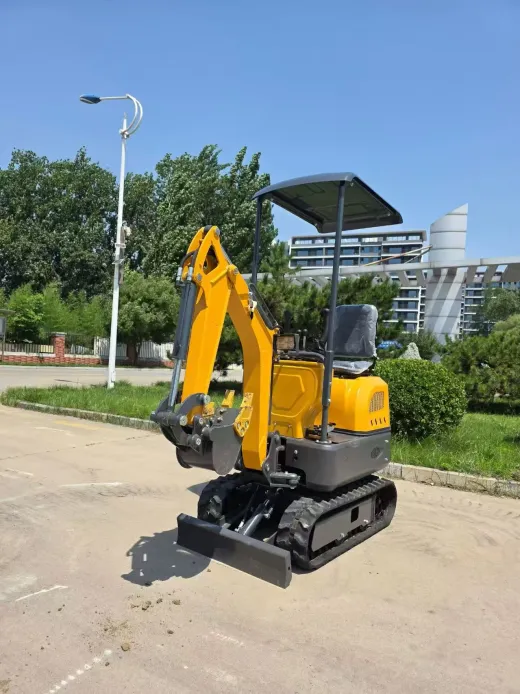
Amphibious Mini Excavators: Working on Water, Marshes & Wetlands
A clear-headed guide to amphibious and floating mini excavators — how pontoon undercarriages work, where they outperform standard machines, their real limitations, and when wide rubber tracks are the smarter choice for wet and soft-ground work.
Read more →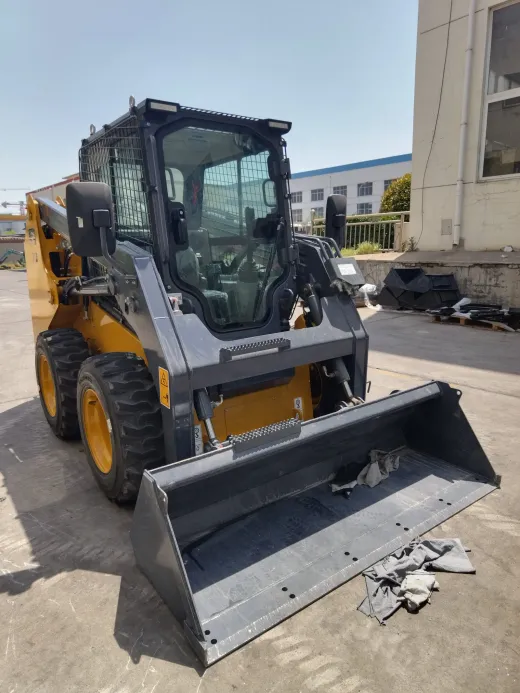
Articulating Loaders Explained: Compact & Mini Articulated Loaders
An articulating loader offers superior maneuverability in tight spaces where conventional machines struggle. This guide covers everything buyers need to know about small, compact, and mini articulated loaders — from how they work to what to look for when shopping.
Read more →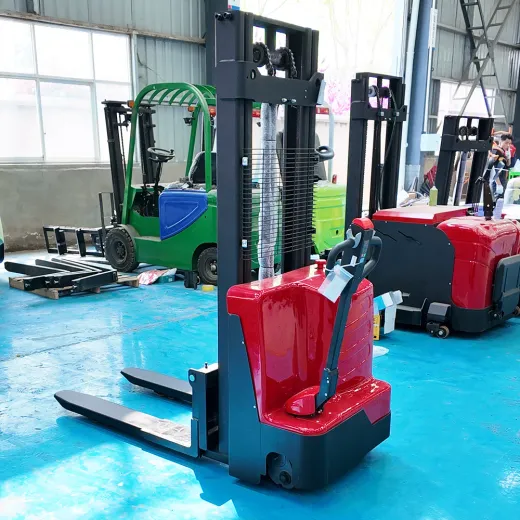
Autonomous Pallet Movers & AGV Pallet Jacks: What Warehouses Need to Know
Before spending six figures on an autonomous pallet mover or AGV pallet jack system, read this guide. We break down how the technology works, true ROI timelines, and why most small-to-mid-size warehouses still get better returns from electric stackers and manual pallet trucks.
Read more →