










Toolcat, UTV Loaders & Telehandlers: What They Are and Better Alternatives
2026-06-28
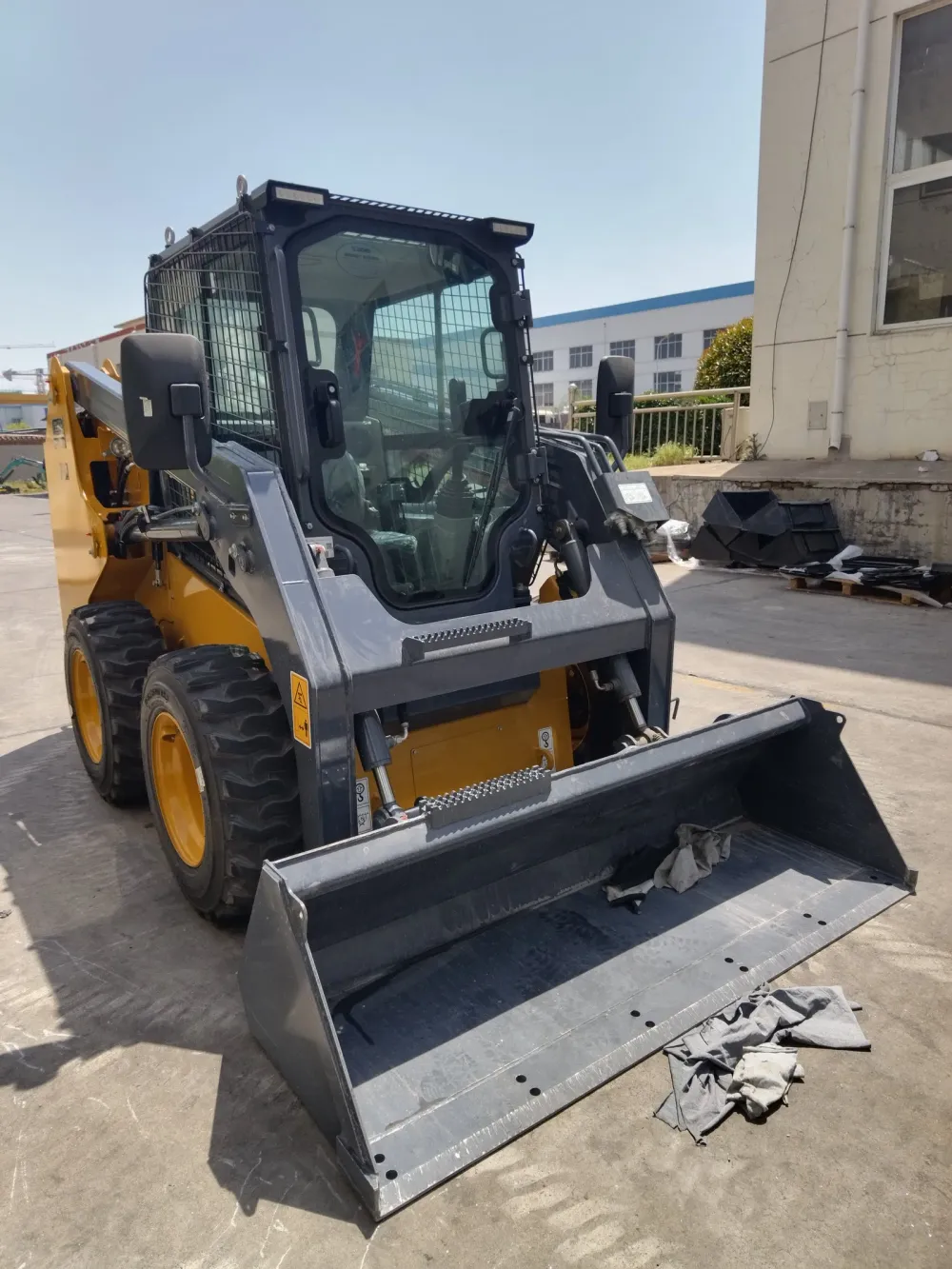
A clear-headed breakdown of what a Toolcat is, how UTV loaders and telehandlers work, where each one genuinely belongs, and when a compact skid steer loader or rough terrain forklift delivers more versatility for less money.
Three machine categories create consistent confusion among buyers who are sourcing a compact loader for the first time: the Bobcat Toolcat utility work machine, utility task vehicles (UTVs) fitted with loaders, and the broad family of telehandlers — including mini, off-road, and battery-powered variants. Each occupies a real niche. None of them is quite what the buyer who finds them through search usually needs. This guide explains what each one is, where it earns its place, and when a conventional compact skid steer loader or a rough terrain forklift is the smarter, cheaper, more versatile answer.
What is a Toolcat — and what are Toolcat attachments?
The Toolcat is a specific product line from Bobcat: a four-wheel utility work machine that sits between a UTV and a compact utility loader. It drives like a vehicle and accepts an auxiliary hydraulic attachment at the front — hence the large aftermarket for toolcat attachments such as buckets, blades, sweepers, brooms, plows, and augers. It is a purpose-built grounds-maintenance tool aimed at property management, golf courses, municipalities, and large estates where multiple seasonal tasks need one walk-on machine.
The most widely searched variant is Toolcat 5600 attachments, referencing Bobcat's UT5600 model. Attachment compatibility is a genuine concern because the Toolcat's hydraulic flow and attachment mounting plate differ from a standard skid steer universal quick attach — meaning many skid steer attachments do not bolt on without an adapter or do not match the flow spec. Before purchasing a used Toolcat or sourcing attachments, confirm the exact hydraulic flow rate (typically around 13–15 GPM on most models) and the mounting system, or source attachments purpose-built for the platform.
Where the Toolcat fits well: light-duty residential and grounds work, seasonal switching between mowing, blowing, and plowing, sites where a full-size skid steer would be too destructive to turf. Where it does not fit: construction sites, earth-moving, heavy material handling, or any job that needs rated lift capacity and a full-width skid steer attachment ecosystem.
UTV with loader: capable weekend machine, limited job-site tool
A utv with loader is a standard utility task vehicle — side-by-side, Polaris Ranger, Can-Am Defender, Kawasaki Mule, or equivalent — fitted with a front-mounted hydraulic loader bucket. The idea is appealing: a vehicle you already own, doing double duty as a light loader. In practice the result is a machine that does neither job as well as a dedicated tool.
The limits are structural. UTVs are designed around passenger loads, not lifting loads. Even with a loader fitted, rated bucket capacity is typically 300–600 lb (135–270 kg), versus 1,500–2,500 lb on even a compact skid steer. The loader arm geometry on most UTV-mount kits produces shallow breakout force, which means packed gravel, clay, or frozen material stops the bucket before the engine does. Ground drive power goes through the stock UTV drivetrain, which is not rated for the side-loading stress of loader work. Frame flex and front axle wear are real consequences of sustained loader use on a UTV platform.
Where UTVs with loaders earn their keep: hobby farms, light property maintenance, moving bagged materials, and situations where a dedicated loader would never be cost-justified. For any serious volume of material — dirt, gravel, mulch, snow — a compact skid steer does the same task in a fraction of the cycle time and without stressing components not designed for the load.
Telehandlers explained: reach stacker, not loader
A telehandler loader is not a loader in the skid steer sense — it is a telescoping boom forklift that can place a load at height and reach. The "loader" in the name refers to its ability to accept a bucket and move material, but the machine's primary value is boom reach and lift height: placing pallets on a second floor, stacking hay in a barn loft, or positioning materials on a construction frame. This is what separates a telehandler from a skid steer, and it matters for the buying decision.
An all terrain telehandler adds four-wheel drive and higher ground clearance to operate on rough construction sites, muddy fields, or uneven terrain where a standard warehouse forklift would be stuck or unsafe. These are common on large agricultural and civil construction sites. The off road telehandler label is used interchangeably by several manufacturers and means the same thing: a rough terrain machine with a telescoping boom, typically 4WD, with lift heights from 18 to 55 feet depending on the model.
The genie mini telehandler — Genie's GTH series — is a compact telehandler designed to fit through standard doorways and operate in tighter spaces while still providing reach height of 20–30 feet. It is a legitimate tool for renovation sites, interior construction, and facilities work where a full-size telehandler is too large. Budget-wise, even compact telehandlers run significantly more than a skid steer of equivalent weight, because the telescoping boom and stabilizer outrigger system adds cost and complexity.
Telehandler battery: the emerging electric option
Telehandler battery (electric) models have entered the market from JLG, Manitou, Merlo, and Bobcat in the last several years, driven by indoor construction, noise-sensitive sites, and emissions regulations. A battery-electric telehandler eliminates exhaust in enclosed spaces — a real advantage when placing materials inside occupied buildings or in underground structures. The trade-off is charge time and the weight of the battery pack, which typically reduces payload at maximum reach compared to an equivalent diesel machine.
For buyers who operate primarily outdoors on construction sites, the battery telehandler currently represents a premium without a significant operational gain. For indoor facilities, event venues, or sites with strict emissions zones, the electric variant is increasingly the right call. The technology is maturing quickly — runtime per charge has improved substantially in recent model years — but matching the machine to the shift length and site recharge infrastructure remains an important step before purchase.
When a skid steer loader beats all three
For the buyer who lands on Toolcat attachments, UTV loaders, or telehandlers during research, the honest question is: what is the actual job? In most cases the job is moving material — digging, grading, loading trucks, clearing debris, handling pallets at ground level, or running attachments like augers, sweepers, and brush cutters. For that set of tasks, a compact skid steer loader is the correct machine, and it outperforms the alternatives across every practical metric.
A skid steer operates in a much tighter footprint than a telehandler, delivers more breakout force and lift capacity than a UTV loader, and carries the full universal quick attach ecosystem of attachments — hundreds of tools that swap in minutes. It is faster than a Toolcat on earthmoving, more capable on construction sites, and the attachment library is far broader. Purchase cost per unit of capability is lower than a telehandler. Operating cost per hour is lower than any specialty machine. And ZHONGMAI's skid steer loaders are built for the serious job-site use that recreational-grade machines are not designed to survive.
The specific cases where you should still consider the alternatives: Toolcat for ongoing turf-centric property management where minimizing ground damage is the priority; telehandler for work that genuinely requires elevated placement or reach; UTV loader for a hobby farm operation where volume and speed are not constraints. Everything else points to the skid steer.
When a rough terrain forklift is the right answer
Some buyers searching for off-road or all-terrain telehandlers are actually looking for a machine that does one thing well: move palletized loads on uneven ground. For that job, a rough terrain forklift is often a faster, simpler, lower-cost answer than a telehandler. Rough terrain forklifts run on large pneumatic tires, handle grades that flat-floor forklifts cannot, and are mechanically simpler than a telescoping boom machine — meaning lower service cost and easier parts availability.
The trade-off is that a rough terrain forklift does not provide the reach height of a telehandler. If your loads need to be placed at 30 feet, you need the telehandler. If your loads need to be moved on a muddy job site, across a gravel yard, or into the back of a truck, the rough terrain forklift handles it with less complexity and lower cost per hour. ZHONGMAI builds rough terrain forklifts for exactly that use case — outdoor, uneven-surface material handling where a warehouse forklift sinks and a telehandler is overbuilt for the application.
Buying decision: matching machine to job
Cut through the category overlap with a short checklist:
- Primary task is grounds maintenance on finished turf, seasonal attachment switching, light property work: Toolcat or equivalent utility work machine is the right tool. A skid steer is overkill and destructive to turf.
- Primary task is moving material on a hobby farm or small property at low volume: a UTV with loader is a usable solution if you already own the vehicle. Don't buy one new as a primary loader.
- Primary task requires placing loads at elevation — second floor, barn loft, scaffolding height: you need a telehandler. Match the boom height to the job, and consider battery if the site is indoors or noise-sensitive.
- Primary task is material movement, digging, grading, demolition, attachment work on a job site: buy a skid steer loader. It is the right machine for this work.
- Primary task is pallet handling on rough outdoor terrain: a rough terrain forklift is simpler and cheaper than a telehandler for this use case.
The machine categories above are not interchangeable. Pick by the job, not by what came up in search.
Browse our toolcat attachments range · — we reply within one business day.
Frequently asked questions
What attachments work on a Toolcat?
Toolcat attachments include front-mounted buckets, snow blades, snow blowers, sweepers, brooms, tillers, and augers made for the Bobcat Toolcat platform. The Toolcat 5600 uses a proprietary mounting system that differs from a standard skid steer universal quick attach, so attachments designed for standard skid steers typically require an adapter. Always verify the machine's hydraulic flow rate (roughly 13–15 GPM on most models) matches the attachment spec before purchasing.
Is a UTV with a loader worth buying?
A UTV with loader makes sense for light-duty, low-volume work on a hobby farm or large property where a dedicated loader would never justify its cost. It is not a substitute for a compact skid steer on a real job site — payload is typically 300–600 lb versus 1,500–2,500 lb on a skid steer, breakout force is limited by the UTV frame, and sustained loader use puts stress on components not designed for it. For any serious material-moving task, a compact skid steer loader is a better investment.
What is the difference between a telehandler and a skid steer loader?
A telehandler has a telescoping boom that extends forward and upward to place loads at height — its core advantage is reach and lift height, not ground-level breakout force. A skid steer loader is optimized for ground-level material handling, digging, grading, and attachment work in a tight footprint. Telehandlers cost more to buy and service; skid steers carry a broader attachment ecosystem. If your work requires elevated placement, you need a telehandler. For everything else, a skid steer is more cost-effective.
What is an all terrain or off road telehandler?
An all terrain telehandler or off road telehandler is a telescoping boom forklift fitted with four-wheel drive, large tires, and increased ground clearance to operate on rough, muddy, or uneven construction and agricultural sites. Lift heights range from roughly 18 to 55 feet depending on the model. They are used on large construction sites, farms, and infrastructure projects where a standard telehandler's road-going tires would sink or be unsafe.
What is a Genie mini telehandler used for?
The Genie mini telehandler (GTH series) is a compact telescoping boom forklift designed to fit through standard doorways and work in confined interior spaces while still reaching 20–30 feet. It is used on renovation sites, occupied buildings, interior construction, and facilities where a full-size telehandler cannot maneuver. It costs significantly more than a compact skid steer, so it is the right choice only when reach height inside a confined space is a genuine job requirement.
Are battery-powered telehandlers practical?
Battery telehandlers from brands like JLG, Manitou, and Merlo are a practical choice for indoor construction, noise-sensitive sites, and areas with strict emissions regulations. They eliminate exhaust in enclosed spaces, which is a real advantage when working inside occupied buildings. For outdoor job sites, the battery premium currently does not offer a significant operational gain over diesel, though runtime per charge has improved considerably in recent model years. Match the machine to your shift length and available recharge infrastructure before buying.
When should I choose a rough terrain forklift over a telehandler?
Choose a rough terrain forklift when your primary need is moving palletized loads on uneven or outdoor ground without the requirement to place loads at significant height. A rough terrain forklift is mechanically simpler than a telehandler, costs less to buy and service, and handles muddy yards, gravel sites, and sloped terrain that would stop a warehouse forklift. If loads need to reach second-floor height or above, a telehandler is the right tool. For ground-level or low-height outdoor pallet handling, the rough terrain forklift is the more cost-efficient answer.
Related articles
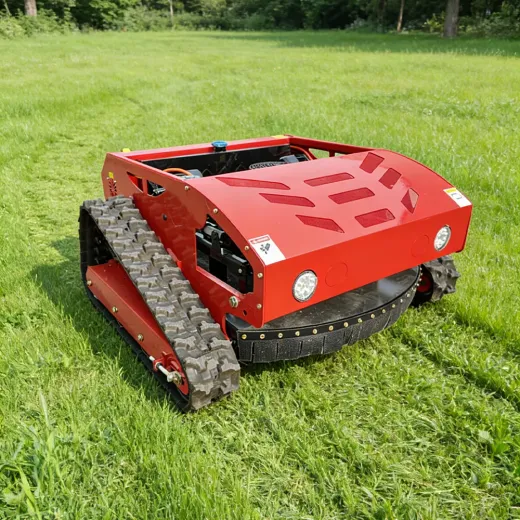
DIY RC Lawn Mower: Build vs Buy — What Actually Makes Sense
Thinking about building a DIY RC lawn mower? We break down every component, the Arduino approach, real costs, build time, and the safety risks most guides skip — so you can decide whether to build or buy a commercial remote control mower.
Read more →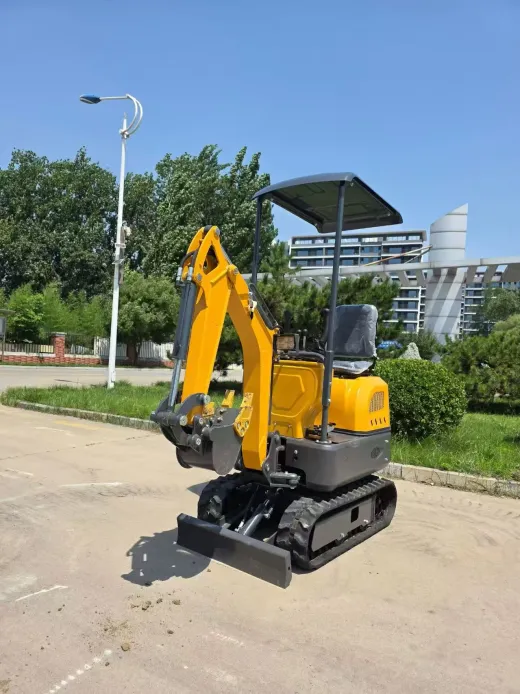
Big Excavators: Types, Sizes and How They Compare to Mini Excavators
Shopping for a big excavator but not sure which size fits your job site? This guide breaks down every weight class from 7-ton to 18-ton, explains real-world digging performance, and shows when a compact machine is the smarter buy.
Read more → Mini Excavator Model Numbers Compared: What the Specs Actually Mean
Confused by excavator model names like KX057-5, 305.5E2, or U17? This guide decodes how Kubota, Caterpillar, Bobcat, Yanmar, Kobelco, Hitachi, and John Deere name their machines — and shows where ZHONGMAI's range fits in.
Read more →