








Walk-Behind & Stand-On Loaders: A Practical Buyer's Guide
2026-06-28
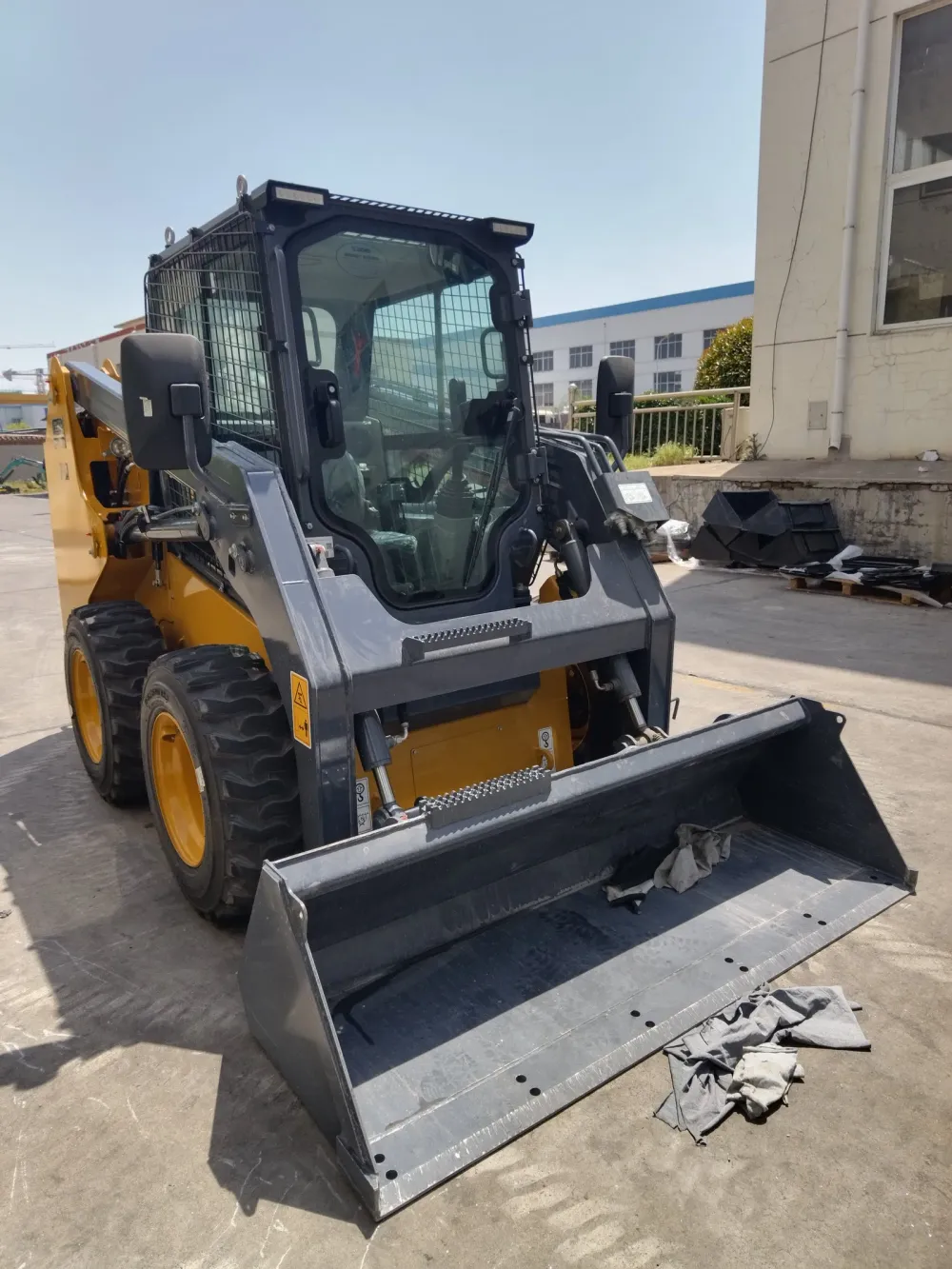
Walk-behind loaders and stand-on loaders fill a real gap between a wheelbarrow and a full compact skid steer. This guide covers how they work, where they earn their keep, which format suits each job, and what to check before you buy.
A walk behind loader occupies a useful middle ground that most buyers overlook. It is smaller and lighter than a conventional compact loader, narrow enough to pass through a standard doorway or garden gate, and cheap enough to own or rent without the cost of a full-size machine. At the same time, it lifts and carries more than a powered wheelbarrow or hand truck — making it the right tool for a specific band of work that neither extreme handles well.
This guide covers the two main operator formats — walk-behind and stand-on — explains where each fits, runs through the specs that actually matter, and gives you a checklist for comparing machines before you buy or hire.
Walk-behind vs stand-on: what the names mean
The market uses several terms for essentially two configurations. A walk behind front loader — also called a walk behind front end loader or walk behind bucket loader — is a self-propelled machine where the operator walks behind and steers from a set of handlebars. The bucket or attachment is mounted at the front and raised by a hydraulic or electric lifting arm.
A stand on loader — sometimes listed as a stand on bucket loader, stand on front end loader, or stand on compact loader — adds a small platform at the rear where the operator rides. This reduces operator fatigue on longer runs and lets the machine cover ground faster than a walking pace, while keeping the overall footprint compact enough for tight sites.
You will also see stand behind loader and stand behind front loader used interchangeably with the walk-behind category, and stand up loader, stand up bucket loader, and stand up front end loader used for the platform-ride format. A standing loader can refer to either, depending on the manufacturer. The underlying machines and their capabilities are similar within each group regardless of what the listing calls them.
Where these machines earn their keep
The strongest case for a walk behind mini loader or a stand on mini loader is any job where access is the binding constraint. A full compact skid steer is typically 60–72 inches wide and weighs 5,000–8,000 lb. A walk-behind or stand-on unit is commonly 30–40 inches wide and weighs 1,000–2,500 lb — light enough to trailer behind a standard pickup and narrow enough to work inside a building, move through an orchard row, or operate on a finished lawn without causing ruts.
Practical applications include:
- Landscaping — moving mulch, topsoil, and gravel around finished yards without damaging turf
- Nursery and greenhouse work — loading pallets and moving containers in confined aisles
- Light construction cleanup — clearing debris from interior demolition or tight urban lots
- Snow removal on pathways, parking structures, and sites inaccessible to larger equipment
- Farm and smallholding work — feeding animals, moving small bales, handling bags and sacks
If your site is open and your loads are heavy, a conventional skid steer loader will outperform either format on output per hour. Walk-behind and stand-on machines win on access, not raw capacity.
Rated capacity and lift height: the two numbers that matter most
Rated operating capacity on a walk behind front loader is lower than a compact skid steer — typically 400–1,000 lb depending on the model. That is enough for most landscaping and light material handling but not for heavy construction loads. Check the figure against your heaviest real load before you shortlist anything.
Lift height matters just as much for some applications. A machine that lifts only to waist height is fine for bucket dumping into a wheelbarrow or skip, but useless for loading over a truck bed or wall. Many walk behind mini loader models stop at 36–48 inches of dump height; high-lift variants extend to 60–80 inches at a higher price. Know your target dump height before you compare specs.
A stand on mini loader or stand on compact loader in the same weight class typically offers similar rated capacity to a walk-behind unit but lets the operator cover more ground per shift. If you are moving material across a yard all day rather than working in one tight corner, the stand-on format recovers some of the productivity gap versus a larger machine.
Drive systems and controls
Most walk-behind and stand-on loaders use one of two drive systems. Hydrostatic drive — controlled by handlebars or joysticks — is smooth, requires no gear changes, and allows precise speed control in tight spaces. It is the dominant system on purpose-built compact loaders. Some lighter and lower-cost machines use electric drive, which adds the benefit of indoor-safe zero-emission operation at the cost of battery run time and charging logistics.
Controls vary by manufacturer. Handlebar-squeeze levers for left and right drive motors are common on walk-behind formats. Stand-on machines may use a single joystick or twin levers. Try before you buy if possible: operator comfort with the controls directly affects productivity and fatigue over a full day.
If you are searching for a walk behind loader for sale, confirm whether the machine uses skid-steer-style differential steering (both tracks or wheels steered independently) or articulated steering. Skid steering turns tighter; articulated units are gentler on finished surfaces.
Attachments and coupler standards
A bare bucket is rarely the whole story. The same quick-attach coupler that makes a full-size skid steer loader versatile also appears on many compact walk-behind and stand-on models — allowing you to swap between a bucket, pallet forks, a broom, an auger, or a trencher without tools. Confirm whether the machine you are considering takes a standard universal quick-attach plate or a proprietary mount.
Proprietary mounts lock you to one attachment supplier. Universal quick-attach opens the full aftermarket, including the range of skid steer attachments designed for compact loaders. On a machine you plan to use for more than one task, this is a meaningful long-term cost difference.
Common useful attachments for the walk-behind and stand-on class include:
- GP bucket (general purpose, the standard fit)
- Pallet forks — useful for any nursery, farm, or warehouse setting
- Snow pusher or blade — a common reason buyers consider the stand up loader or stand up front end loader format for winter work
- Landscape rake or broom
- Auger — check that the machine's hydraulic output is sufficient before buying a hydraulic auger
What to check before you buy
Whether you are comparing a stand up bucket loader, a stand behind front loader, or a conventional walk behind bucket loader, run through the same checklist:
- Rated operating capacity — does it handle your heaviest real load with margin?
- Dump height — does it reach your target dump point (truck bed, skip, wall)?
- Width — does it pass through your tightest access without modification?
- Weight and transport — does your trailer and tow vehicle handle the machine plus attachments?
- Drive system — hydrostatic, electric, or other; matches your run-time and environment needs?
- Coupler standard — universal quick-attach or proprietary?
- Hydraulic flow — sufficient for the powered attachments you plan to run?
- Parts and service access — are wear parts and filters on a reasonable lead time for your location?
A stand on front end loader that ticks every box on this list beats a more expensive machine that fails on access width or dump height. Score against your actual work, not against a generic top-ten ranking.
Walk-behind and stand-on vs a compact skid steer: when to step up
The walk-behind and stand-on category is the right answer for a specific set of constraints. When those constraints change, the calculus shifts. If your loads regularly exceed 1,000 lb, if you move material across long distances all day, or if your site is open enough to accommodate a wider machine, a conventional compact skid steer loader will outperform a walk-behind unit on output per hour by a wide margin.
The honest question is: what is the binding constraint on your site today? If it is access — width, weight, surface sensitivity, or indoor operation — a standing loader or walk-behind unit is the right tool. If the constraint is capacity or speed and access is not an issue, step up to a full compact loader rather than buying the smaller machine and working around its limits every day.
Many buyers end up with both: a compact skid steer for open-site work and a walk-behind or stand-on unit for the jobs that machine cannot reach. The total cost of two purpose-fit machines is often less than the daily cost of fighting with a single machine that is wrong for half the work.
Browse our walk behind loader range · — we reply within one business day.
Frequently asked questions
What is the difference between a walk-behind loader and a stand-on loader?
A walk-behind loader — also called a walk behind front loader or walk behind front end loader — is operated from behind a set of handlebars while the operator walks. A stand-on loader adds a rear platform so the operator rides on the machine. Stand-on units cover ground faster and reduce fatigue on longer runs; walk-behind units are typically lighter and cheaper. Both are far narrower and lighter than a full compact skid steer.
What can a walk-behind bucket loader actually lift?
Rated operating capacity on most walk-behind bucket loader and stand-on compact loader models falls between 400 and 1,000 lb. That covers landscaping materials, light pallets, bags, small bales, and construction debris, but not heavy construction loads. Always check rated capacity against your heaviest real load before shortlisting a machine.
Where can I find a walk-behind loader for sale?
Walk-behind loaders and stand-on mini loaders are sold by compact equipment dealers, online machinery marketplaces, and direct from manufacturers. When comparing listings, check rated operating capacity, dump height, machine width, drive system, and whether the coupler is a universal quick-attach or proprietary mount — those specs matter more than the brand name.
Can a stand-on loader run the same attachments as a skid steer?
Many stand-on loaders and stand-on front end loaders use a universal quick-attach coupler compatible with standard skid steer attachments. This opens the same aftermarket of buckets, pallet forks, augers, brooms, and blades. Confirm the coupler standard before you buy, and check that the machine's hydraulic flow and pressure are sufficient for any powered attachment you plan to run.
Is a stand-on compact loader better than a walk-behind for landscaping?
It depends on the job. A stand-on compact loader or stand-on mini loader lets the operator cover ground faster, which helps when moving material across a yard all day. A walk-behind unit is lighter and may be gentler on finished turf. For very tight spaces or indoor work, the walk-behind format's smaller footprint can be an advantage. Both are far less damaging to turf than a full-size skid steer.
What is the difference between a stand up loader and a stand behind loader?
These terms are often used interchangeably by different manufacturers. A stand up loader or stand up bucket loader typically refers to a machine with a standing platform — i.e., the stand-on format. A stand behind loader or stand behind front loader usually means the operator stands behind and walks, which is the walk-behind format. Check the actual machine configuration rather than relying on the name.
When should I choose a full skid steer instead of a walk-behind or standing loader?
Choose a full compact skid steer when your loads regularly exceed 1,000 lb, when you need to cover long distances quickly, or when your site is open enough that machine width is not a constraint. Walk-behind and stand-on loaders win on access — narrow sites, finished surfaces, indoor work, and tight residential yards. If access is not the binding constraint and output per hour matters, step up to a compact skid steer.
Related articles
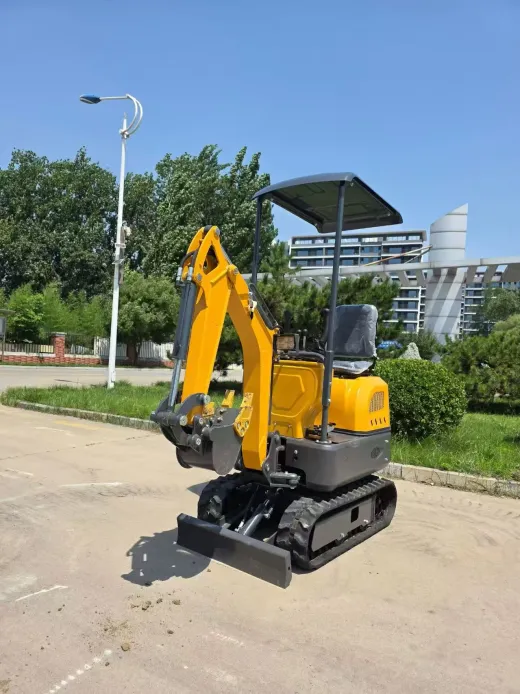
Amphibious Mini Excavators: Working on Water, Marshes & Wetlands
A clear-headed guide to amphibious and floating mini excavators — how pontoon undercarriages work, where they outperform standard machines, their real limitations, and when wide rubber tracks are the smarter choice for wet and soft-ground work.
Read more →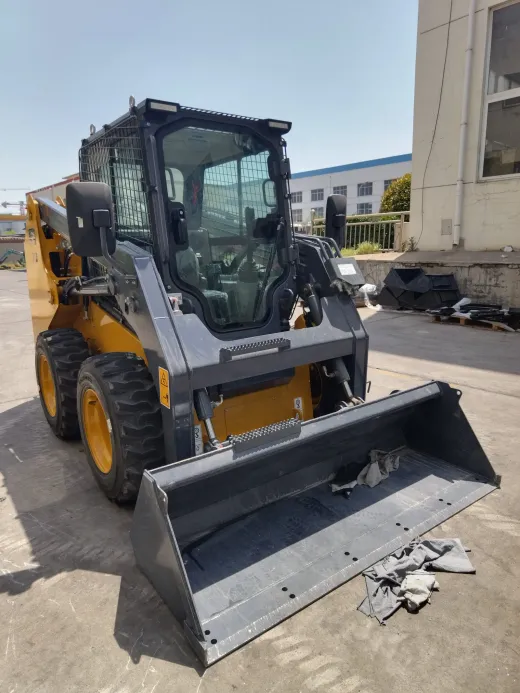
Articulating Loaders Explained: Compact & Mini Articulated Loaders
An articulating loader offers superior maneuverability in tight spaces where conventional machines struggle. This guide covers everything buyers need to know about small, compact, and mini articulated loaders — from how they work to what to look for when shopping.
Read more →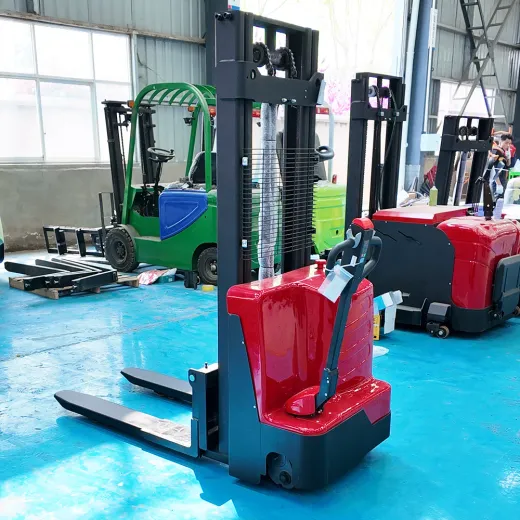
Autonomous Pallet Movers & AGV Pallet Jacks: What Warehouses Need to Know
Before spending six figures on an autonomous pallet mover or AGV pallet jack system, read this guide. We break down how the technology works, true ROI timelines, and why most small-to-mid-size warehouses still get better returns from electric stackers and manual pallet trucks.
Read more →