










Buying a Chinese Mini Excavator: How to Vet the Factory, Not Just the Price
2026-06-12
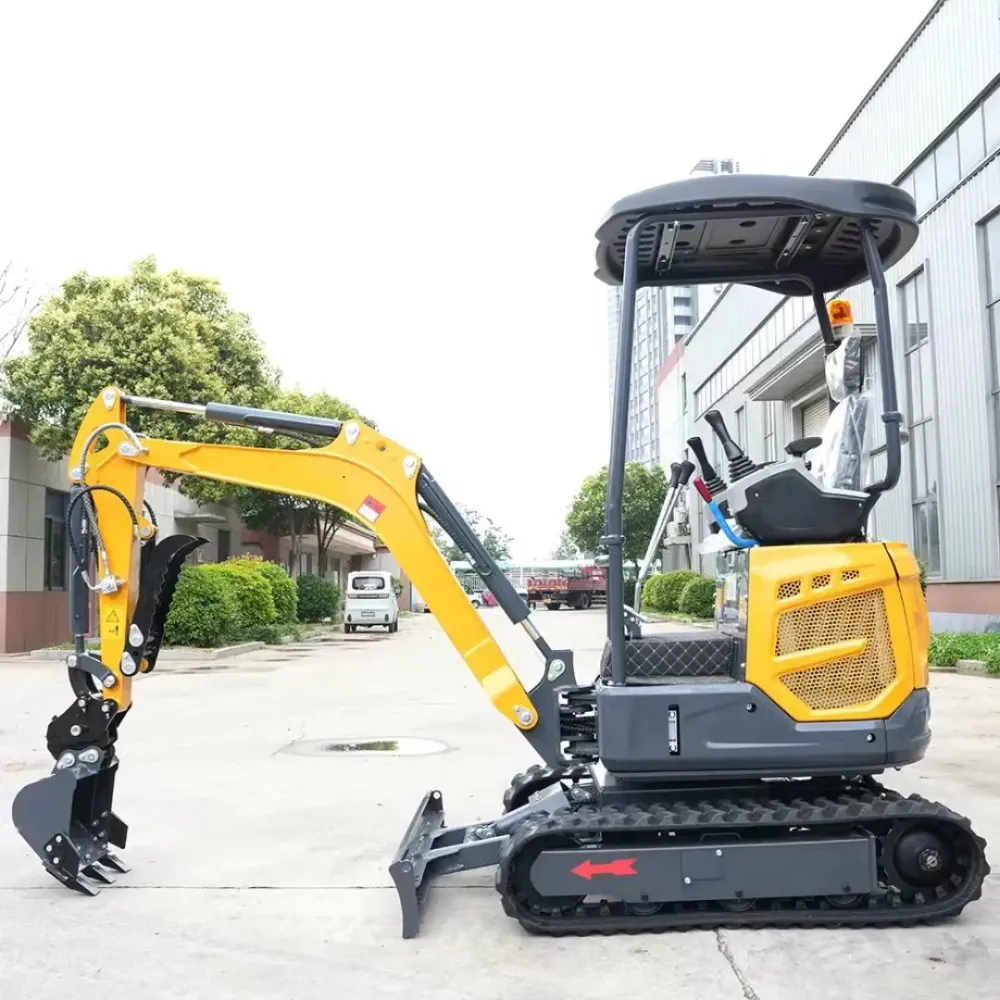
A buyer's guide to sourcing a Chinese mini excavator — how to vet the factory vs reseller, compare to JD, Cat, Kubota and Takeuchi benchmarks, navigate Alibaba, and judge budget brands like Rhinoceros, AGT and Nuoman before you wire a deposit.
A Chinese mini excavator is no longer a gamble on price alone. The component gap that buyers worried about a decade ago has mostly closed — engines, hydraulics, and final drives are sourced from the same global platforms that everyone else uses. What hasn't gone away is the spread in who you're actually buying from. A good factory and a trading-house reseller can list the identical machine, and your experience over the next five years will be nothing alike.
This guide is about vetting the source, not chasing the lowest number. If you're shopping a china mini excavator for a fleet, a rental yard, or resale, these are the checks that separate a machine that earns money from one that sits broken in a yard waiting for a part.
Are you talking to a factory or a reseller?
The single most useful question when you start a buying a Chinese mini excavator process is: do you build this, or do you buy and re-badge it? Both exist, and a reseller isn't automatically bad — but it changes who answers when something goes wrong.
A manufacturer can show you the production line, the welding jigs, the assembly bench, and the QC station. They can quote you a specific machine, change a configuration, and stand behind the warranty because the warranty is theirs. A pure trading company often can't do any of that — they pass your problem upstream and you wait. Ask for a live video walk of the line. A real factory will give you one in a day; a reseller will stall.
Our own mini excavator range is built in-house, which is the whole reason we can answer a spec question the same hour you ask it.
Judging build quality on a Chinese mini digger
You can't put a tape measure on "reliability," but you can inspect the things that predict it. When you evaluate a Chinese mini digger, look past the paint and check:
- Welds and structure — clean, consistent welds on the boom, arm, and undercarriage; no grind-and-fill cover-ups at the stress points.
- Hose routing and fittings — hoses clipped and protected where they cross moving joints, not rubbing bare against steel.
- Pin and bushing fit — tight, greasable joints with proper seals, because slop here is what kills resale value.
- Cab and controls — a real operator station, not an afterthought, with pilot or proportional controls that match what your operators already know.
Ask for clear photos of these specific areas on the exact machine, not a glossy catalog shot. A factory that's proud of its work will send them without hesitation.
Engine and hydraulics: insist on known platforms
This is where a mini excavator made in china wins or loses on the long run. The raw casting and assembly quality have converged across the industry — what still varies is whether you can service the thing in your own back yard.
Insist on an engine and a hydraulic system built on recognized global platforms. Not because a domestic component is necessarily worse, but because a known engine means filters, seals, injectors, and a service manual exist on every continent. An obscure unit can be perfectly good and still strand you for six weeks when one sensor fails. Get the exact engine model and hydraulic make in writing before you sign anything.
Parts logistics is the deal-breaker most buyers miss
Here's the part of mini excavator from china sourcing that gets skipped in the rush to close on price: how does a wear part reach you, and how fast? A machine down for a $40 filter you can't get is far more expensive than a slightly pricier machine you can keep running.
Before you commit, get straight answers on:
- Wear-item stock — does the supplier hold rubber tracks, filters, hoses, teeth, and seals, or do they make them to order each time?
- Shipping method and lead time — air freight for an urgent part, or only sea?
- Documentation — a real parts catalog with part numbers, so you can cross-reference and even source locally in a pinch.
A supplier who can't tell you how a rubber track reaches your site in two weeks hasn't thought about your second year of ownership — only their first sale.
After-sales support: pin it down before the deposit
The best Chinese mini excavator for your operation is the one whose maker still answers the phone in year three. Support quality is invisible at purchase and obvious the first time you need it, so make it explicit while you still have leverage:
- Who do you contact for a technical fault, and in what language and time zone?
- What's the warranty term, and what does it actually cover — structure, powertrain, hydraulics?
- Is there remote diagnostic help, video support, or a technician network in your region?
Put the answers in the contract. A factory that's confident in its product will commit to support terms in writing; a reseller hedging on its supply chain will keep it vague.
How Chinese mini excavators compare to established brand benchmarks
Buyers shopping a small Chinese excavator naturally want to know how they stack up against the machines they already know. A few reference points are useful. On the sub-2-ton end, the Kubota U17 mini excavator, K008 mini excavator, and the Komatsu PC01 excavator (the PC 01 mini excavator, also written as PC01 mini digger or PC01 1 mini excavator) set the standard for ultra-compact access machines. The Komatsu PC35MR and PC55MR round out the 3-5 tonne Komatsu compact range. In the 3–4-tonne class you find the JD 35 excavator and JD 35D mini excavator, the Kubota KX040 excavator and KX41 series, and the Takeuchi TB216 mini excavator and TB230 excavator. The JD mini excavator lineup — from the JD 26G mini excavator to the JD 50D excavator for sale — and the Cat 35G compact excavator, Cat 50G mini excavator, Cat 303 mini excavator, Cat 304 mini excavator, Cat 305 mini excavator, and Cat 308 mini excavator are the most common benchmarks buyers cite when asking whether a Chinese machine is worth it.
The honest answer is that a Chinese mini excavator from a real factory can match these machines in digging performance and outright build quality — especially in the 1.5 t to 5 t range where there is no exotic engineering involved. Where the legacy brands still win is dealer density and over-the-counter parts. If your fleet is based near a Kubota or Takeuchi dealer who stocks the KX015, KX033, KX71, U35 excavator, U27 excavator, U48, or U55 parts you need, that convenience has real value. A Chinese machine shipped from a china mini excavator factory directly makes that equation tighter but shifts the math: a Takeuchi TB135 excavator, TB240 mini excavator, TB210R excavator, or Hitachi Zaxis ZX26U, ZX33U, ZX48U, or ZX55U at Western prices often costs two to three times a comparable Chinese unit, and the Chinese machine running on Yanmar, Kubota, or Perkins power closes most of the service gap. Similarly, a Sany SY16C, SY35U excavator, or SY50U are Chinese-built machines competing in the same space — Sany is simply a large enough company to have built its own dealer network.
Other brands buyers compare against include the IHI compact excavator range (IHI 7J mini excavator for sale, IHI 18J mini excavator for sale, IHI 30 excavator, IHI 55 excavator for sale, IHI mini digger), Airman excavator and Airman mini excavator models, Kato mini excavator and Kato compact excavator (Kato compact excavator sales, Kato compact excavator sales LLC), Kobelco SK35SR and SK850, Liebherr compact excavators and Liebherr mini excavator, Hidromek mini excavator, Kioti mini excavator, Mahindra mini excavator, TYM mini excavator, Link-Belt mini excavator, and older names like Mitsubishi mini excavator, Sumitomo mini excavator, Sanyo mini excavator, Daewoo mini excavator, Schaeff mini excavator (Schaeff digger, Schaeff excavator), Ihimer mini excavator, and Eurocomach excavator (Eurocomach digger, Eurocomach excavator for sale). Virtually all of these brands built their reputation on standard global components — and that's exactly the same bar to hold a Chinese factory to.
Budget Chinese brands you'll encounter: Rhinoceros, AGT, Nuoman, and more
The cheap Chinese mini excavator market has spawned dozens of brand names that appear on Amazon, Northern Tool, and various online equipment listings. Understanding who actually makes these machines helps you set expectations. The Rhinoceros mini excavator line — including the Rhinoceros XN08 mini excavator (also searched as rhinoceros excavator xn08, xn08 mini digger, xn08 digger, and the mini digger rhinoceros xn08), the XN12 mini digger, and the Rhinoceros XN16 — is one of the most searched entry-level Chinese brands in the US and UK market. The Rhinoceros digger and Rhinoceros excavator are manufactured in China and sold through North American and European distributors; they are genuine machines, not toys, but parts supply and dealer support are thinner than with direct-from-factory programs.
The AGT mini excavator and AGT Industrial mini excavator lines — including the AGT H12 mini excavator, AGT Industrial H12 mini excavator, and related H12 mini excavator variants — are widely stocked in the US. The Agrotk mini excavator models (Agrotk YM10 mini excavator, Agrotk YM12 mini excavator, Agrotk H12 mini excavator, Agrotk L12 mini excavator, Agrotk T12 mini excavator, and the JF12 mini excavator / JF 12 mini excavator variant) are often the same or closely related machines sold through different importers. The industrial H12 mini excavator and the JPC HT12 mini digger (also called the JPC HT12 mini excavator or JPC mini digger) are in the same 1–1.2-tonne class. The HT10 mini excavator (HT10 excavator, mini excavator HT10, HT08 excavator) and HT08 excavator fall in the sub-tonne micro class.
Other brands in this space include the Nuoman mini excavator (Nuoman NM E08 excavator, Nuoman digger, Nuoman mini digger), CAEL mini excavator (CAEL 1T mini excavator, CAEL 1 ton mini excavator, CAEL R325BT mini excavator), Carter mini excavator and Carter mini digger (Carter CT08 mini digger, Carter CT10 digger, Carter 0.8 micro digger, Carter micro digger), UHI mini excavator (UHI UME10 mini excavator, UHI 2.0T mini excavators, UHI mini digger), Everun mini excavator (Everun excavator), Xiniu mini excavator (Xiniu excavator), Groundhog mini excavator (Groundhog BH24 mini excavator, Groundhog KH14G mini excavator, Groundhog excavator for sale, Groundhog excavator dealers), Hanix mini excavator (Hanix digger, Hanix micro digger, Hanix 1.5 ton mini diggers, Hanix mini digger for sale, Hanix excavator for sale), Jansen mini excavator (Jansen MB 300 mini excavator, Jansen mini digger), and the Nortrac mini excavator / Nortrac XN16 mini excavator. You'll also encounter the Shanding SD13E mini excavator, Koop mini excavator (Koop mini digger, Koop excavator, Kobolt excavator), Jmeka mini excavator (Jmeka mini digger), LTMG excavator, Hengwang excavator, Haihong excavator, Oulide excavator, Nante excavator, Nicosail excavator, SDJK excavator, Sunmac excavator, Stag mini excavator, Cougar mini excavator, Achilles mini excavator, Toros mini excavator, Vand mini excavator, and the rock machinery backhoe mini excavator segment.
Our honest assessment: these machines can dig perfectly well for light-duty tasks. What separates them from a factory-direct Chinese machine built for commercial use is warranty execution and parts continuity. Many are sold through importers who may not carry the machine three years later. If you need a cheap Chinese excavator for occasional use, they may be fine. If you're running the machine commercially, work directly with the china mini excavator factory and skip the intermediary. A cheapest Chinese mini excavator listing on a marketplace isn't the same thing as a factory relationship with a mini skid steer manufacturers-grade supplier who can also configure skid attachments and multi-tool packages.
Buying a mini excavator from Alibaba: what actually happens
The most common question from first-time importers is whether buying a mini excavator from Alibaba — or shopping an Alibaba excavator listing — is safe. The short answer: it depends entirely on who you're clicking "contact supplier" with. Alibaba is a marketplace, not a manufacturer. An Alibaba mini digger listing (also called an Alibaba micro excavator or Chinese Alibaba mini digger) could come from the actual factory, a domestic trading company, or a foreign importer re-listing. The platform itself won't tell you which.
When buying a mini excavator from Alibaba, the same vetting checklist applies as buying direct: confirm production capacity, request a video walk of the line, get the exact engine model in writing, and don't release payment until you have a pre-shipment inspection report from a third-party inspector in China. The risk with an Alibaba micro excavator or mini skid steer Alibaba listing is that the price looks like a factory price but the seller is a trader with no production capability and no ability to back a warranty. Trade assurance on Alibaba offers some dispute recourse, but it's not a substitute for vetting.
If you're sourcing a mini excavator for sale China and want to go through Alibaba, shortlist three to five suppliers, video-call each one, ask for customer references in your target market (Australia, UK, US, etc.), and request a factory audit certificate. A real china mini excavator factory will have CE, EPA, or relevant compliance certificates and will show them immediately. A trader will send you a certificate that names a factory you haven't verified. Also search the brand you're buying under — many Chinese mini diggers for sale on Alibaba are the same physical machine sold under a half-dozen brand names by different traders. Knowing the OEM is more useful than knowing the badge. You can also find a mini digger from China, mini digger China, or Chinese micro digger listed on regional classifieds like Mudah (excavator for sale mudah in Southeast Asia) and similar marketplaces — those listings are typically used machines, not factory-new exports.
Platforms like Machinery Trader (machinery trader mini excavator listings) are used primarily for used machines in the Western market, not direct-from-China imports. Harbor Freight mini excavator, Home Depot mini excavator, and Northern Tool mini excavator — these retail channels stock entry-level machines sourced from Chinese factories, usually at a significant markup over factory price for the convenience of a domestic return policy. For fleet or commercial quantities, going direct to a china mini excavator factory and building a supplier relationship beats all retail channels on price and support continuity.
Why "made in China" stopped being the question
The honest summary: country of origin is a poor proxy for quality now. Machines from the same country span the full range from genuinely excellent to barely-finished, and so do machines from anywhere else. The useful filter isn't the flag on the data plate — it's whether the seller is a real manufacturer with serviceable, standard-platform components and a parts pipeline that reaches you.
That's the lens we'd want a buyer to use even when they're not buying from us. If you're still narrowing weight class and dig depth, our guide to choosing a mini excavator covers the spec side in detail, and it pairs naturally with the sourcing checks here.
Browse our mini excavator range · — we reply within one business day.
Frequently asked questions
Are Chinese mini excavators any good?
The build quality on major components — engine, hydraulics, final drives — has converged with legacy brands, since they're sourced from the same global platforms. What still varies is who you buy from and how parts and support reach you. A machine from a real factory on standard, serviceable platforms is a sound buy; the country of origin matters far less than the supplier behind it.
What should I check before buying a Chinese mini excavator?
Confirm you're dealing with the actual manufacturer, not a reseller; inspect welds, hose routing and pin fit on the specific machine; insist on a recognized engine and hydraulic platform so parts exist worldwide; and pin down parts stock, shipping lead time and written warranty terms before you pay a deposit.
How do I get spare parts for a mini excavator from China?
Before buying, ask whether the supplier stocks wear items — rubber tracks, filters, hoses, teeth, seals — or makes them to order, and how fast they can air-freight an urgent part. Insist on a parts catalog with part numbers so you can cross-reference and source locally if needed. Parts logistics is the factor that most often turns a cheap machine into an expensive one.
Is it safe to buy a mini excavator made in China?
Yes, when you vet the source properly. Buy from a manufacturer that can show you the production line, builds on standard global engine and hydraulic platforms, and commits to parts supply and support in writing. The risk isn't the origin — it's buying blind from a trading house that passes your problems upstream.
How does a Chinese mini excavator compare to a JD 35 excavator or Cat 305 mini excavator?
Digging performance and hydraulic force are comparable in the same weight class. Legacy brands — JD 35G, JD 35D, JD 50D; Cat 303, 304, 305, 308; Kubota KX040, U17, U35, U55; Takeuchi TB216, TB230, TB240; Hitachi ZX26U, ZX33U — carry a premium that reflects dealer density and immediate parts availability, not a fundamental engineering gap. A Chinese machine on a Yanmar or Kubota engine, bought directly from the factory with a stocked parts program, closes most of that gap at 40–60% of the Western-brand price.
What is the difference between Rhinoceros, AGT, Nuoman, and other budget Chinese mini excavator brands?
Brands like Rhinoceros (XN08, XN12, XN16), AGT Industrial (H12 mini excavator), Agrotk (YM10, YM12, H12, T12), Nuoman (NM E08), CAEL, UHI (UME10), Everun, Carter mini excavator, and Groundhog (BH24, KH14G) are Chinese-manufactured machines sold through North American or European importers. They are real machines, but the importer layer means warranty execution and parts supply depend on that intermediary staying in business and stocking parts. Buying direct from the factory gives you a more direct support line and usually better pricing on spares.
Is buying a Chinese mini excavator from Alibaba a good idea?
Alibaba is a marketplace, not a manufacturer — listings range from genuine factory-direct to trading companies with no production capability. Treat an Alibaba mini excavator listing the same as any direct sourcing: video-verify the factory, get the engine model in writing, use a third-party pre-shipment inspection, and request compliance certificates (CE, EPA). Trade assurance gives some payment protection but does not substitute for supplier vetting. For commercial quantities, building a direct relationship with the China mini excavator factory is more reliable than one-off marketplace purchases.
Where can I find a Chinese mini excavator for sale?
Direct from a China mini excavator factory is the most cost-effective route for commercial buyers. Alibaba lists thousands of suppliers — filter carefully using the vetting steps above. In the US and UK, brands like Rhinoceros, AGT Industrial, Nortrac, and Carter mini excavator are available through Amazon and specialist dealers. Used Chinese mini excavators also appear on Machinery Trader and regional classifieds. For fleet or rental purchases, direct factory supply beats all retail channels on price and support continuity.
Related articles
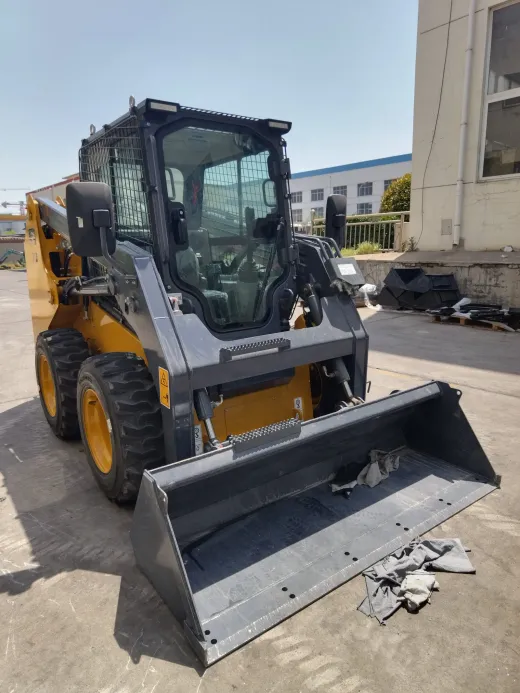
Skid Steer Weight: Operating Weight by Class, Mini to Large Frame
How much does a skid steer weigh? It depends on frame class, undercarriage, and whether you mean operating weight, shipping weight, or rated capacity. This guide breaks down skid steer weight from stand-on minis to large-frame machines, explains tracked vs wheeled weight differences, and covers what the number means for trailer selection and towing rules.
Read more →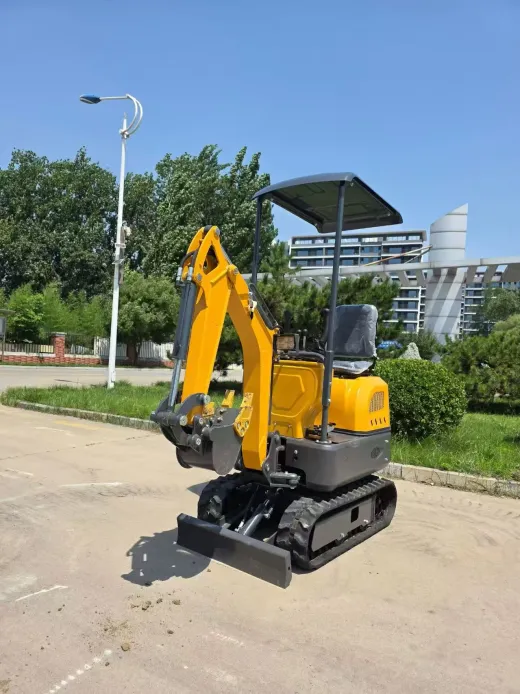
Amphibious Mini Excavators: Working on Water, Marshes & Wetlands
A clear-headed guide to amphibious and floating mini excavators — how pontoon undercarriages work, where they outperform standard machines, their real limitations, and when wide rubber tracks are the smarter choice for wet and soft-ground work.
Read more → Articulating Loaders Explained: Compact & Mini Articulated Loaders
An articulating loader offers superior maneuverability in tight spaces where conventional machines struggle. This guide covers everything buyers need to know about small, compact, and mini articulated loaders — from how they work to what to look for when shopping.
Read more →