










Sub Compact Tractor Guide: Small Tractors, Loaders & Attachments Explained
2026-06-28
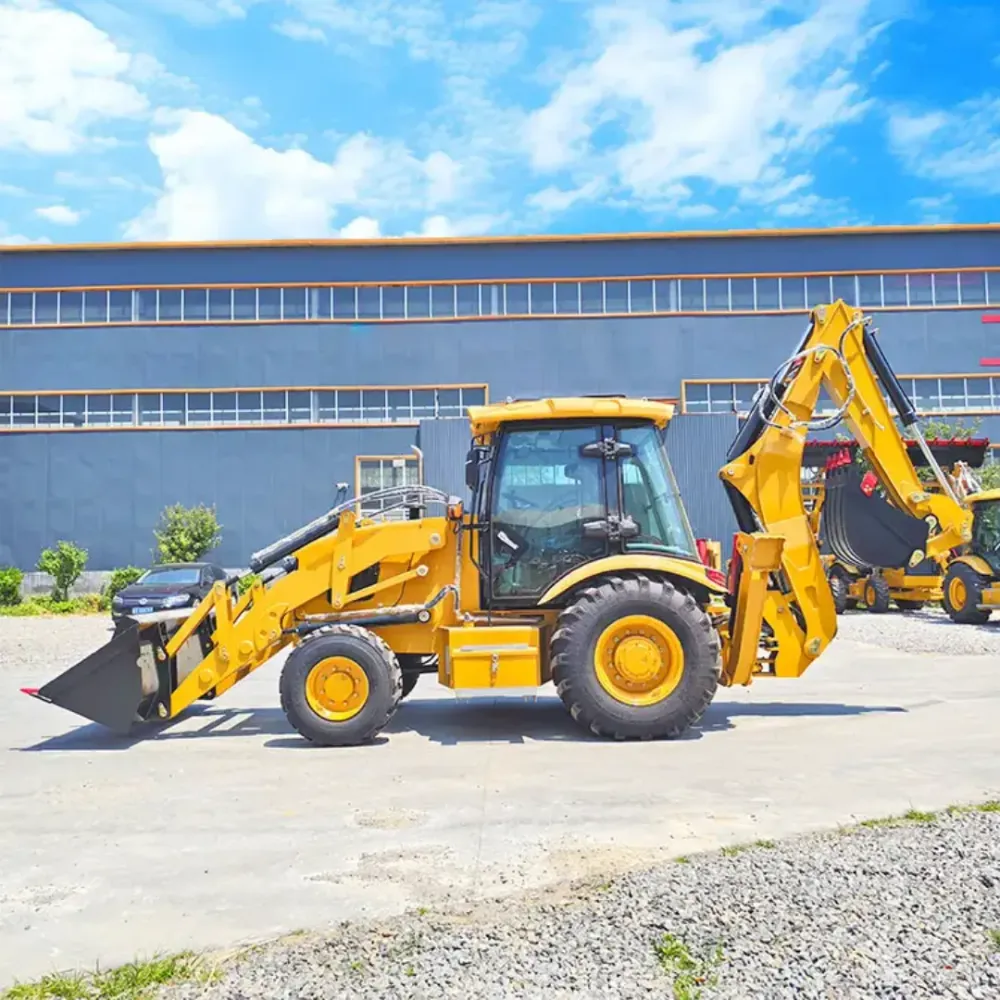
Everything you need to know about sub compact tractors, compact tractor loaders, and attachments — what they do, how they compare to mini skid steers and backhoe loaders, and how to choose the right small tractor for your property.
If you're shopping for a machine to handle mowing, loading, grading, and occasional digging on a property under 10 acres, you've probably landed on the term sub compact tractor. These small but capable machines have exploded in popularity over the last decade — and for good reason. They're versatile, relatively affordable, and genuinely useful for the kind of mixed-duty work that full-size farm tractors are overkill for.
But the market is noisy. Manufacturers throw around terms like "sub compact," "compact utility tractor," and "mini tractor" interchangeably, and the attachment ecosystem has grown so large it's easy to get lost before you even settle on a base machine. This guide cuts through the noise: what these machines actually are, how to spec them out right, which attachments are worth the investment, and where a backhoe loader or mini skid steer might serve you better than any tractor.
What Is a Sub Compact Tractor — and How Does It Differ from a Compact Tractor?
The industry generally splits the tractor world into three tiers: full-size utility tractors (100+ HP), compact tractors (25–60 HP), and sub compact tractors (under 25 HP). Sub compacts are the smallest rung — purpose-built for residential and light-acreage work rather than serious row-crop farming.
The practical differences matter more than the horsepower numbers:
- Weight and footprint: A typical sub compact weighs 1,500–2,200 lbs and is narrow enough to fit through a standard gate. Compact tractors run 3,000–6,000 lbs and need wider clearances.
- Three-point hitch category: Sub compacts use Category 1 (or 0) hitches; most compact tractors support Category 1 and some handle Category 2, meaning a broader range of implements fits the larger machines.
- Loader lift capacity: Expect 500–900 lbs on a sub compact front-end loader versus 1,500–3,000 lbs on mid-range compact tractors.
- PTO power: Sub compact PTOs typically deliver 12–18 HP — enough for a 4-foot finish mower or tiller, but not a large hay cutter.
Small tractors in the sub compact class are genuinely capable machines; they just have real limits. Knowing those limits upfront saves you from buying wrong.
Compact Tractor Loader: The Attachment That Changes Everything
Most buyers spec a compact tractor loader — also called a front-end loader or FEL — as their first add-on, and it's the right call. A loader transforms a tractor from a mowing and tilling platform into a machine that can move material: mulch, gravel, soil, manure, brush piles, snow.
Key things to understand about compact tractor with front end loader setups:
- Dedicated vs. universal loaders: Factory-matched loaders (from the same brand as your tractor) integrate cleanly with the frame and hydraulics. Universal third-party loaders are cheaper but fitment quality varies — inspect mounting points carefully.
- Loader bucket size: Sub compact loaders typically run 48–54-inch buckets. Go bigger and you'll exceed the machine's capacity; go smaller and you sacrifice productivity. Match bucket width to the machine's rated lift capacity.
- Hydraulic flow: Sub compacts tend to have limited auxiliary hydraulic flow (5–8 GPM). This matters if you plan to run hydraulic-driven attachments like grapples or hydraulic tilting buckets.
- Quick-attach systems: A skid steer-style quick-attach plate on your loader lets you swap buckets, forks, and grapples in seconds without tools. If your machine supports it, spend the extra money — you'll use it constantly.
A sub compact tractor with loader is the core configuration most buyers end up with. Everything else — backhoe, mower, tiller — layers on top of this base.
Compact Tractor with Attachments: Building a Versatile Machine
One of the biggest selling points of the compact tractor platform is the depth of the compact tractor with attachments ecosystem. A single machine can wear many hats across a season. Here's a practical breakdown:
- Belly mowers and finish mowers: The most common use case. Sub compacts handle 4–5 foot decks comfortably. Mid-mount belly mowers give a cleaner cut than rear-mounted finish mowers for most terrain.
- Tillers: Rear-mounted rotary tillers are excellent for garden beds and food plots. Match the tiller width to your PTO HP — don't oversize.
- Grapple buckets: A root grapple swapped onto your loader turns brush and debris cleanup from a multi-hour project into a quick one. Probably the highest-value loader attachment for rural properties.
- Rock bucket for compact tractor: A rock bucket (skeleton bucket with rebar tines) lets you sift rock and debris out of soil while loading the material you actually want. Indispensable for land-clearing or new garden installations on rocky ground.
- Box blades: Rear three-point box blades are workhorses for grading driveways and leveling ground. Simple, durable, widely available.
- Pallet forks: Swap your loader bucket for forks and your tractor becomes a small telehandler for moving round bales, lumber, and pallets.
- Snow blowers and blades: Sub compacts are excellent snow machines — light enough not to tear up turf, powerful enough to throw substantial snow with a mid-size blower.
New compact tractors from most major manufacturers ship with a quick-attach loader as standard or first option — take advantage of this by planning your attachment wish list before you buy so you can verify hydraulic compatibility upfront.
Compact Tractor with Loader and Backhoe: What You Need to Know
The three-function combination — front loader, tractor, rear backhoe — is the most popular configuration for buyers who need occasional digging alongside their loader and mowing work. A compact tractor with loader and backhoe can handle fence post holes, drainage trenches, utility line work, and basic landscaping excavation.
But this setup comes with real trade-offs worth understanding:
- Dig depth: Sub compact backhoe attachments typically reach 6–8 feet. Standard compact tractor backhoes get to 8–10 feet. Purpose-built mini excavators and backhoe loaders often reach 12–14 feet.
- Swing arc: Tractor-mounted backhoes have limited swing — typically 170–180 degrees versus the full 360-degree swing of a mini excavator. This matters in confined spaces.
- Operator fatigue: Spinning from forward controls to rear controls repeatedly is tiring on long digging days. Dedicated backhoe machines are far more ergonomic for heavy digging work.
- Setup time: Most rear backhoe attachments require you to stop, park, and engage stabilizer legs before digging. Quick — but not seamless.
If digging is 20–30% of your workload, a sub compact tractor with backhoe makes sense as an occasional attachment. If digging is your primary job, you're better served by a purpose-built machine. The best compact tractor with loader and backhoe configuration is ultimately the one matched to your actual dig frequency — not the one with the most impressive specs on paper.
For buyers whose excavation needs exceed what a tractor-mounted backhoe can handle, ZHONGMAI's backhoe loader is designed as a dedicated two-end machine — full loader capacity at the front, full backhoe reach at the rear — without the compromises of a tractor add-on. It's worth comparing if you find yourself digging more than you expected.
Compact Tractor vs. Mini Skid Steer vs. Backhoe Loader: Choosing the Right Tool
This is the question that trips up a lot of buyers, and the honest answer is: it depends on what you're doing most of the time.
Mini compact tractor (sub compact class) is the right choice when:
- You have turf to mow regularly — tractors are unmatched here
- You need PTO-driven implements (tillers, seeders, post drivers)
- Your terrain includes slopes where a four-wheel-drive tractor's stability and ground clearance matter
- You want one machine for light loading, mowing, and occasional digging
A mini skid steer loader is the better pick when:
- You're working in tight spaces (inside structures, narrow gates, dense landscaping)
- Material moving and grading are your primary tasks
- You want fast attachment changes with universal skid steer quick-attach compatibility
- You don't need PTO implements or mowing capability
See our mini skid steer guide for a deeper comparison.
A backhoe loader wins when:
- Digging and loading are both frequent, serious tasks — not occasional sideline work
- You need full backhoe dig depth (10+ feet) and real loader breakout force
- You're working on construction, utility, or infrastructure jobs where tractor-class machines are underpowered
Read mini excavator vs. backhoe loader and how to choose a backhoe loader if you're weighing those options. The compact tractor is a great homestead and light-agriculture machine; it's not a construction machine.
Articulating and Specialty Compact Tractors: When Standard Isn't Enough
Beyond the standard four-wheel-drive sub compact layout, a few specialty configurations are worth knowing about:
Articulating compact tractor designs hinge in the middle rather than using front-wheel steering. This gives them a tighter turn radius and better traction distribution on uneven ground — useful in orchards, vineyards, and properties with lots of obstacles. They're less common and typically cost more, but for the right terrain they're meaningfully better.
Narrow-track sub compacts (sometimes called "orchard tractors" or "vineyard tractors") are standard four-wheel machines built extra narrow — as slim as 36 inches — to pass between rows. If you're managing tree fruits or grapes, these are worth investigating separately.
Older used machines like the 35 Ferguson tractor (the legendary Massey Ferguson TE20 and TO-35 series from the 1950s) still turn up in the used market and have rabid followings. Parts availability for the grey/gold Fergies is surprisingly decent, and they're simple enough to maintain with basic mechanical skills. For light mowing and loader work on a tight budget, an older Ferguson in good condition isn't a crazy choice — just don't expect modern ergonomics or safety features.
5 Things to Check Before You Buy Any Sub Compact Tractor
After helping customers navigate this category, here's what consistently separates a purchase people are happy with from one they regret:
- Verify hydraulic flow against your attachment plans. If you want a hydraulic grapple or tilt bucket, check your machine's GPM output before you buy the tractor, not after. Many sub compacts don't have enough flow for hydraulic attachments.
- Check loader quick-attach compatibility. Not all quick-attach systems are created equal. Confirm that your loader's QA plate matches the buckets and attachments you plan to buy from third parties.
- Test the PTO engagement under load. On used machines especially, PTO clutch slip is a common issue that's expensive to fix. Do a loaded test before finalizing a purchase.
- Factor in dealer support, not just sticker price. Sub compact tractors need periodic service. A machine with no local dealer support will cost you more in downtime than you saved on purchase price.
- Be honest about your dig depth needs. If you find yourself adding a rear backhoe and then wishing it dug deeper, you probably needed a purpose-built machine from the start. Mini excavators start at similar price points and dig two to three times deeper — see our guide to compact earthmoving machines for comparison.
Browse our sub compact tractor range · — we reply within one business day.
Frequently asked questions
What is the difference between a sub compact tractor and a compact tractor?
Sub compact tractors are under 25 HP and typically weigh under 2,500 lbs — built for residential and small-acreage use. Compact tractors run 25–60 HP, weigh 3,000–6,000 lbs, and handle heavier implements and more demanding work. Sub compacts use Category 1 three-point hitches; compact tractors often support Category 1 and 2. Both can run front-end loaders and backhoe attachments, but the compact tractor's dig depth, lift capacity, and PTO output are substantially higher.
Can a sub compact tractor handle a backhoe attachment?
Yes — most sub compact tractors accept rear-mounted backhoe attachments via their three-point hitch and auxiliary hydraulics. Typical dig depth is 6–8 feet. This is adequate for fence posts, small trenches, and landscaping work. For deeper excavation (10+ feet), utility trenching, or frequent digging, a purpose-built backhoe loader or mini excavator will outperform a tractor-mounted backhoe significantly.
What attachments are most useful for a compact tractor with loader?
For most property owners, the highest-value attachments are: a root grapple (for brush and debris cleanup), a box blade (for driveway grading), a rock bucket (for land clearing on rocky ground), a rear tiller (for garden beds), and pallet forks (for material handling). If you have regular mowing needs, a mid-mount belly mower or rear finish mower belongs at the top of the list. Plan your attachment budget before buying the tractor to verify hydraulic flow compatibility.
How does a compact tractor compare to a mini skid steer for small property work?
Compact tractors win on versatility: they can mow via PTO, operate on slopes more safely, and handle a wider range of three-point implements. Mini skid steers win on maneuverability in tight spaces, attachment change speed (universal skid steer quick-attach), and material-moving efficiency. If mowing is a major part of your work, get a tractor. If you're primarily moving material in confined areas with no mowing need, a mini skid steer is more efficient.
Is a compact tractor with loader and backhoe a good substitute for a dedicated backhoe loader?
For occasional digging alongside regular tractor work, yes — the three-in-one configuration is practical and cost-effective. For frequent, serious excavation, no. Dedicated backhoe loaders offer more dig depth, full 360-degree or wide-arc swing, greater breakout force, and purpose-built ergonomics. Operators who dig daily will find a tractor-mounted rear backhoe fatiguing and limiting compared to a machine purpose-designed around the backhoe function.
What is a rock bucket for a compact tractor and when do I need one?
A rock bucket (also called a skeleton bucket or sifting bucket) has open tine construction instead of a solid floor — it lets soil fall through while retaining rocks, roots, and debris. You need one when clearing land that has rocks or heavy debris mixed into the soil, or when cleaning up after grading. It's particularly useful for preparing garden beds or landscaping areas on properties with rocky subsoil. Most compact tractor loader quick-attach systems accept standard skid steer rock buckets with an adapter plate.
Are new compact tractors worth buying over used ones?
New compact tractors offer warranty coverage, modern safety features (ROPS, hydrostatic transmission, good ergonomics), and known service history — worth the premium if you're using the machine heavily or can't afford downtime. Good used machines are viable if you have mechanical aptitude, can inspect thoroughly, and have access to parts. Older platforms like the Massey Ferguson TO-35 have excellent parts availability despite their age. The risk with used sub compacts is hidden hydraulic and PTO wear — always test under load before buying.
Related articles
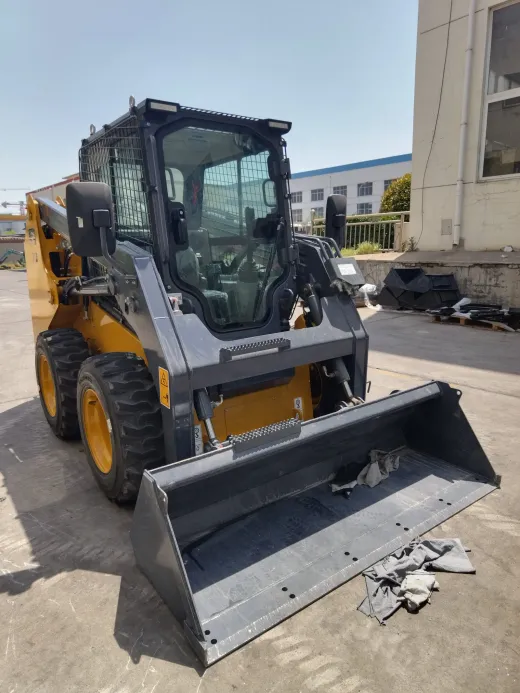
Skid Steer Weight: Operating Weight by Class, Mini to Large Frame
How much does a skid steer weigh? It depends on frame class, undercarriage, and whether you mean operating weight, shipping weight, or rated capacity. This guide breaks down skid steer weight from stand-on minis to large-frame machines, explains tracked vs wheeled weight differences, and covers what the number means for trailer selection and towing rules.
Read more →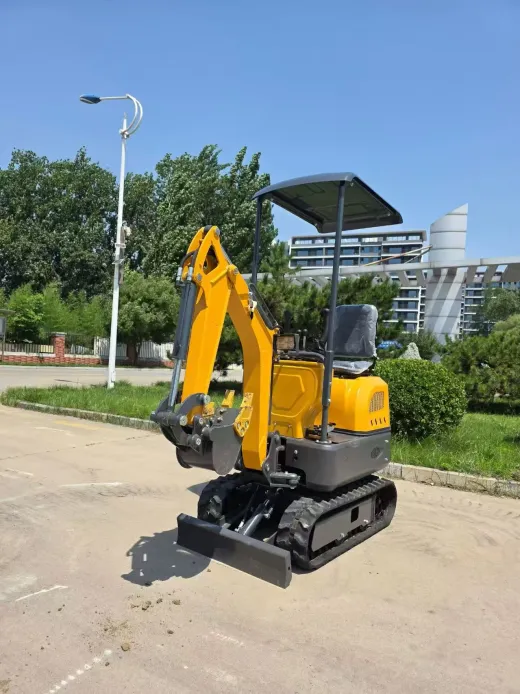
Amphibious Mini Excavators: Working on Water, Marshes & Wetlands
A clear-headed guide to amphibious and floating mini excavators — how pontoon undercarriages work, where they outperform standard machines, their real limitations, and when wide rubber tracks are the smarter choice for wet and soft-ground work.
Read more → Articulating Loaders Explained: Compact & Mini Articulated Loaders
An articulating loader offers superior maneuverability in tight spaces where conventional machines struggle. This guide covers everything buyers need to know about small, compact, and mini articulated loaders — from how they work to what to look for when shopping.
Read more →